
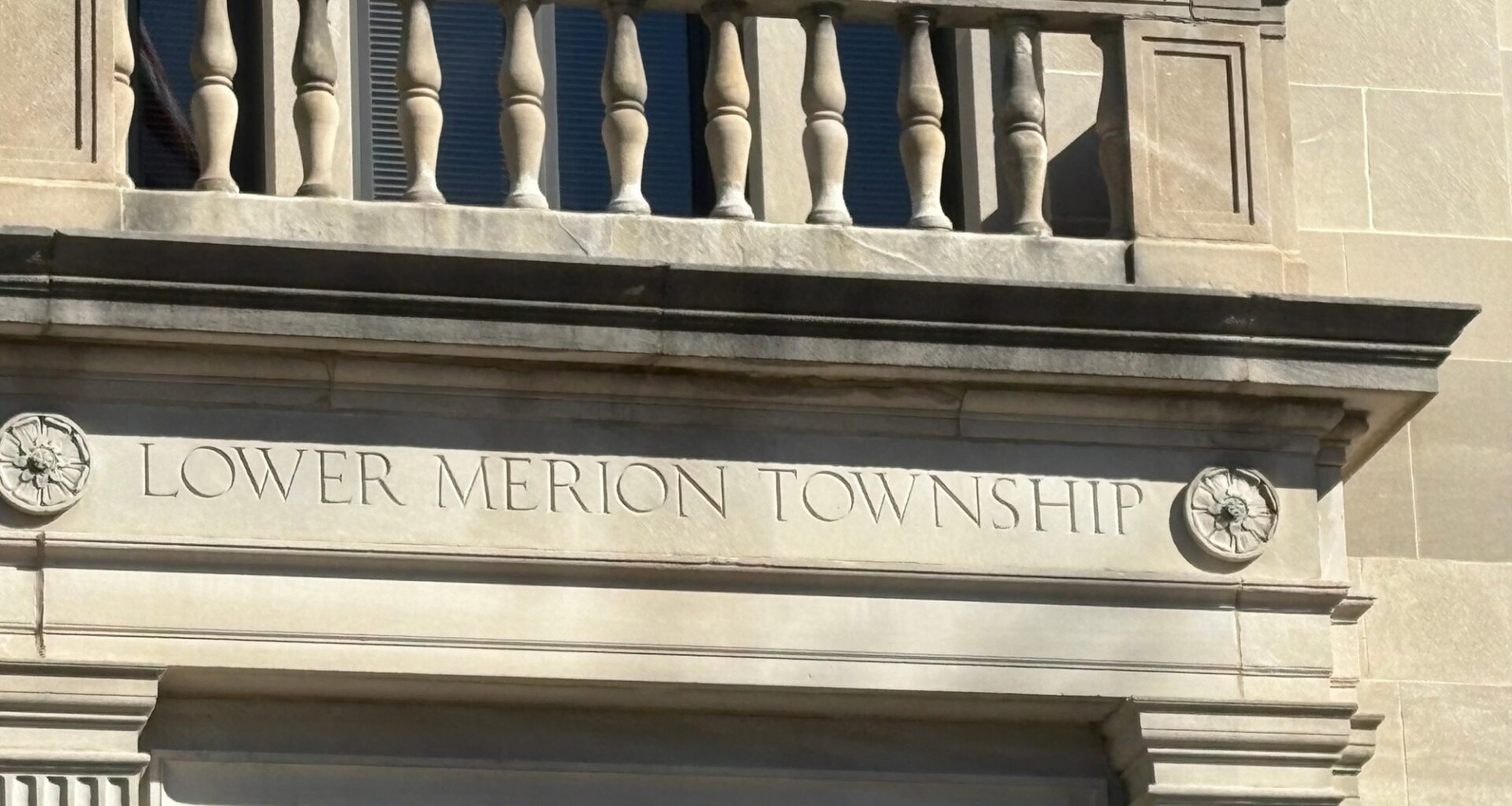
LOWER MERION—Lower Merion Township officials recently issued a Kratom Health Advisory warning residents about the dangers of unregulated kratom products sold in local stores.
Kratom is an increasingly popular supplement that has sparked wrongful death lawsuits across the country.
Earlier this year, the Lower Merion Health Committee approved a motion to recommend that the commissioners authorize the distribution of a Kratom Advisory Notice prepared by the township’s Health Advisory Council.
According to the Lower Merion Health Advisory Council’s comments, kratom is increasingly advertised at mini-markets, smoke shops, and gas stations throughout Lower Merion Township. It is sold in various forms, including loose powder, capsules, and extracts. It is an unregulated and unstandardized substance with reported significant health impacts. The Health Advisory Council desires to raise public awareness of kratom and warn of potential health outcomes related to the substance.
According to the township’s advisory, kratom can produce stimulant effects at lower doses and opioid-like and sedating effects at higher doses, although effects vary by product, dose, and individual. Kratom is sold in Pennsylvania as a loose powder, capsules, gummies, and shots or liquid extracts. Doses are not standardized and can vary widely despite what the label indicates, and products may contain other substances. Kratom has been detected in fatal overdoses and has sometimes been identified as a contributing cause, usually in cases involving other substances.
In its advisory, township officials said healthcare providers do not prescribe kratom, and no kratom product has been approved by the FDA to diagnose, treat, cure, or prevent any medical condition.
In 2022, Radnor Township approved an ordinance banning the sale of kratom within 1,000 feet of a school. Radnor’s ban came in response to a company that had planned to open a store that would sell kratom in Wayne.
The advisory also notes that, as of July 2026, eight US states (Alabama, Arkansas, Connecticut, Indiana, Louisiana, Tennessee, Vermont, and Wisconsin) have chosen to ban its use, and more than 20 other states regulate it under frameworks such as the Kratom Consumer Protection Act (KCPA). However, kratom is not yet regulated or restricted in Pennsylvania. State lawmakers are considering new regulations such as restricting kratom sales to people over 21 and strict labeling requirements, but meanwhile kratom is widely available in Lower Merion and statewide.
The entire advisory is available at www.lowermerion.org/Home/Components/News/News/5677/114.