
Many decades ago, when you entered the main lobby of the old Philadelphia Bulletin, you were greeted by an image of Thomas Jefferson. At that site were the words he had written regarding the need for a free press. It said if he had to choose between “a government without newspapers or newspapers without government, I should choose the latter.”
Much has changed since then, with a multitude of media options available. But the essence of that statement remains as accurate today as it was in the late 1700’s.
Now we learn of pressure being exerted by the federal government in acts that may infringe upon that cherished need. In the latest move by the Federal Communications Commission, pressure was placed upon ABC to not air an interview between late night host Jimmy Kimmel and Texas Democratic candidate James Talarico. ABC, in fear of a challenge to its license renewal by the FCC, backed off and deep-sixed the segment. Talarico is challenging Republican candidate Ken Paxton and the pressure exerted by the FCC is seen as politically motivated.
This is happening while the FCC mulls relaxing the limit on the number of TV stations a company may own. It seems as though that governmental body is becoming more active and perhaps more partisan.
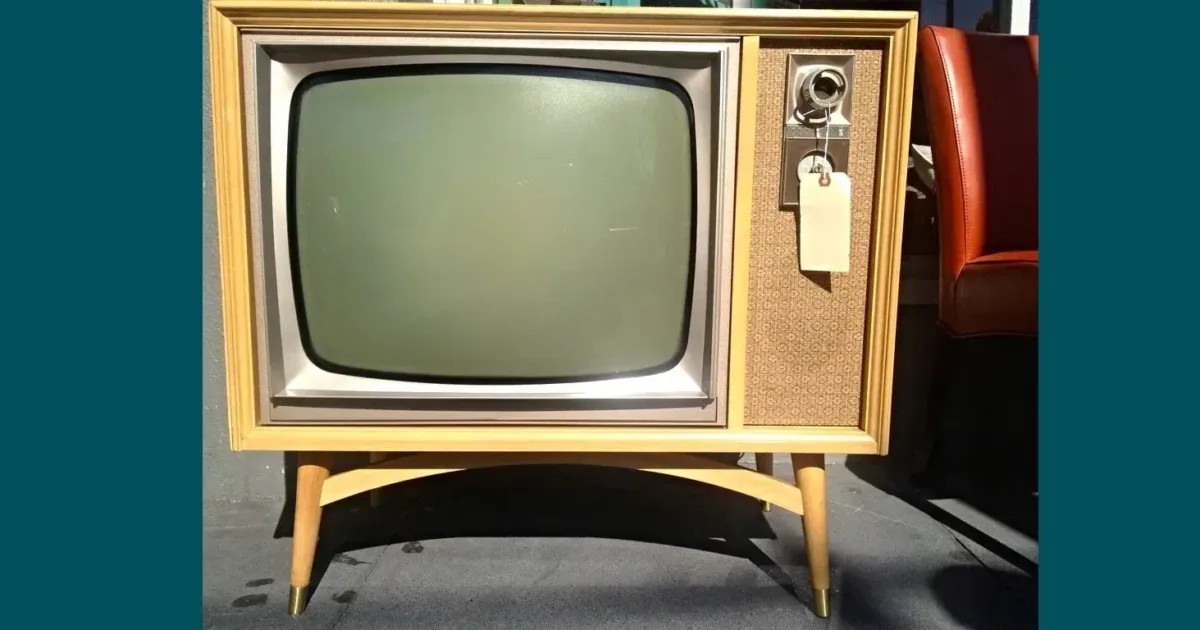
Once it was so simple. In Philadelphia the selection of TV channels consisted of choosing 3, 6 or 10. They were the network affiliates. These days, the choice is highly complex, with more local broadcast stations joined by cable and streaming options. Where there was once a cap put on the number of broadcast stations a company could own, is the playing field now so diverse that such a limit is no longer fair? And if there are so many media options, why has there been such a focus by the FCC on the tightening of programming content in legacy media such as ABC?
That’s the question being posed by the FCC. In a split ruling of 2-1, the agency voted to abolish the TV station limit of 39 percent of U.S. households. It was argued that the onslaught of TV options made it harder for broadcast companies to survive without a free rein for acquisitions.
There is an argument as to whether this issue is to be resolved by the FCC or Congress. The FCC says it will resolve these issues on a case-by-case basis. The FCC ‘s lone dissenter, Commissioner Anna Gomez stated that it was Congress which set the cap and that only that entity can resolve it.
Back in 2004, the FCC had moved to raise the limit to 45 percent. But Congress responded by lowering that ceiling to the present 39 percent. Earlier this year, Senate Commerce Committee Chairman Ted Cruz (Texas Republican) asked if the FCC has the authority to change ownership limits.
The present ownership cap was actually exceeded this year when Nexstar Media Group was permitted to enact its acquisition of Tegna. Some eight states have stepped forward to challenge that deal.
Large companies that are flirting with the present cap include Fox, Nexstar, Paramount and EW Scripps. It is reported that Gary Media and Sinclair are looking to expand once the present ceiling is relaxed.
Clearly, the FCC is flexing muscles that have either been unused for many years or, in the case of perceived censorship, not used at all. One wonders how Jefferson would view today’s landscape, and whether freedom of the press would look obsolete.
Jeff Hurvitz ([email protected]) is a freelance writer and native Philadelphian.