
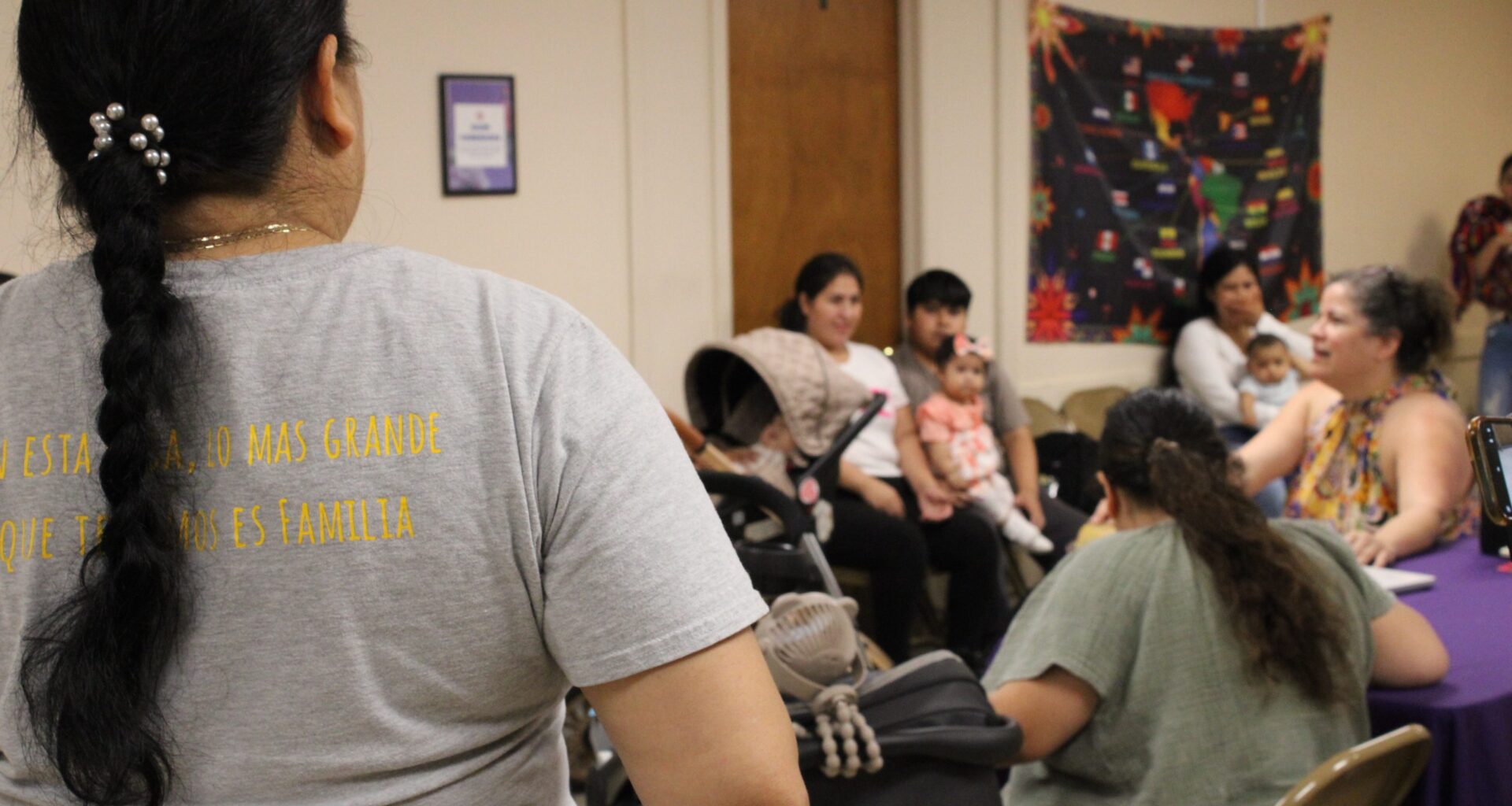
Every September, Hispanic Heritage Month invites us to celebrate the culture, history and contributions of Latino communities across the country. This year, celebration alone isn’t enough. Pittsburgh’s Latino community is facing a level of fear and uncertainty that is reshaping daily life for more than those in the community but even those outside of it. This moment calls for more than recognition. It calls for action.
Casa San José, Pittsburgh’s Latino resource and welcome center, has spent over a decade answering that call. What started in 2013 as a resource center under the Sisters of St. Joseph, founded by Sister Janice Vanderneck with a single bilingual volunteer, has grown into a 40-person organization serving thousands of families each year. This year, Casa San José reached a milestone: the purchase of an 11,000-square-foot building in Beechview, making it the first Latino-led nonprofit in the Pittsburgh region to independently own a custom permanent home. It’s a significant step, but the need it responds to is bigger than any one building.
Sign up for the NEXTletter. Get the latest news, hottest places to eat, exciting events and more—directly in your inbox.
According to Casa San José’s most recent annual report, the organization served 2,588 adults and 1,280 children this year alone, including weekly emergency food assistance for more than 900 individuals to those afraid to leave their home. Every one of those numbers represents a family navigating language barriers, separation and fear. Every one of those families depends on a community willing to show up. Knowing how can be unclear, but the impact is valuable no matter how you choose to do it.
Here are a few ways to get started.
Volunteer
Casa San José’s need for hands-on help spans nearly every department. Volunteer “Angels” help secure safe spaces for Spanish-language church services, community events and health clinics. Rapid response volunteers train as legal observers, documenting enforcement encounters and connecting families to emergency support. Policy and advocacy volunteers train to be poll watchers so that we can ensure everyone has the ability to vote without intimidation. Others teach English classes, distribute food assistance or support youth programs during and after school. Whatever your skill set or schedule, there is likely a place for it.
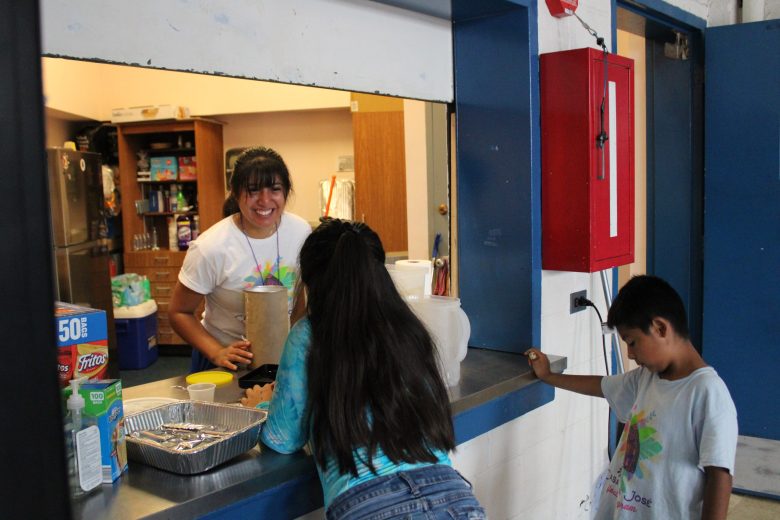 Photo courtesy of Casa San Jose.
Every service Casa San José provides such as housing support, legal clinics, maternal health care, or youth enrichment runs on public generosity. Financial support keeps programs like Naciendo Juntos, which guides first-time mothers through pregnancy and birth in a new country, available to the families who need them most.
Support Latino-owned businesses
This is where the ripple effects of fear become easiest to overlook and the most important to address. Latino consumers are among the fastest-growing and highest-spending demographics in the country. But when fear of Immigration and Customs Enforcement (ICE) encounters keeps people from leaving their homes, that spending doesn’t happen. Latino-owned restaurants, shops and service businesses lose customers. So do the businesses around them. Since immigrants make up a significant share of the workforce across restaurants, construction, cleaning services, food processing and more, industries can’t run without them. When families stop spending and workers stop showing up, it isn’t just one community that feels it. It’s the broader local economy. Choosing to eat at, shop at, or hire a Latino-owned business this month is a direct, tangible way to counter that damage. It’s one token of support every Pittsburgher can do regardless of income or schedule. Simply support the business that needs it with dollars you would spend anyway. Latinos in Pittsburgh Business Directory. Latin-Owned Businesses in Pittsburgh from VisitPITTSBURGH.
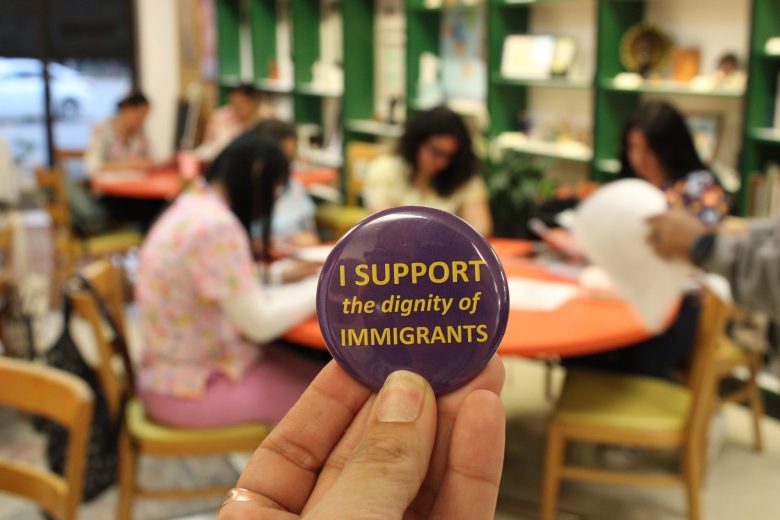 Photo courtesy of Casa San Jose.
Vote
Policy decisions made at every level of government (local, state and federal) shape whether families like the ones Casa San José serves can live without fear of being separated. Voting for candidates whose values align with the fair and humane treatment of immigrants is one of the most consequential ways to support this community for the long term. Showing up to vote, and encouraging others to do the same, is civic engagement with a direct line to the safety of your neighbors.
Spread the word
Not everyone can volunteer, donate, or vote in a way that feels sufficient right now, but everyone can talk about what’s happening. Share what you learn. Correct misinformation when you hear it. Bring a friend to a Casa San José event. Awareness is what turns individual acts of support into collective momentum. Sister Janice Vanderneck, who founded Casa San José from nothing more than a rented room and a conviction, put it simply: “It will give the Latino community identity and stability because it’s not just Casa San José’s building; it’s for the immigrant community.”
The same is true of Pittsburgh itself. The city’s Latino community doesn’t need a single building or a single organization to carry it; it needs neighbors who choose to show up. This Hispanic Heritage Month, that’s the invitation: not just to celebrate, but to act. Volunteer one afternoon. Eat at a Latino-owned restaurant. Register to vote, and bring someone with you. However you choose to show up, Pittsburgh’s Latino community (and the local economy it helps power) will be better for it.