
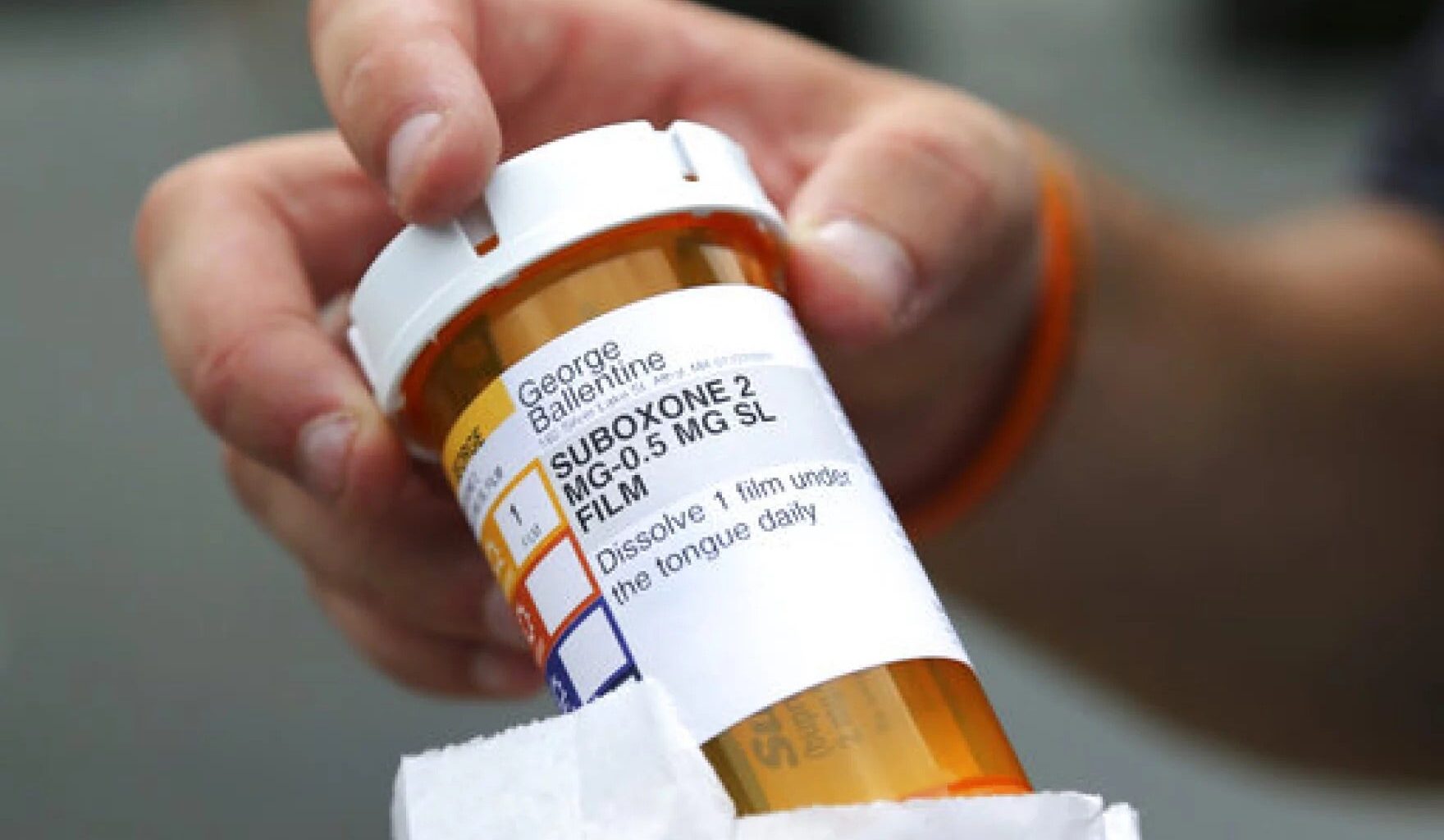
More rural and urban hospitals, pharmacies stock up on treatment medication
Historically, access to buprenorphine medication has been inconsistent. Some pharmacies do not have it in stock on a regular basis, if at all, and not all emergency departments have been proactive in offering and enrolling people into medication for opioid use disorder.
But new data from the CDC shows from 2019 through 2025, the percentage of U.S. pharmacies in urban areas that stocked buprenorphine grew from about 65% to 72%. Among rural pharmacies, it grew from 70% to 80%.
Pharmacies also prescribed a longer supply of buprenorphine, on average, per prescription, likely due to changes and flexibilities in federal drug laws, the study’s authors noted.
In hospitals, the percentage of emergency departments that adopted buprenorphine treatment in urban counties rose from about 7% to 31%, and from 2% to 10% in rural counties.
Addressing remaining gaps in medication treatment
Philadelphia is a city that has created a “safety net” and built an infrastructure of emergency and short- and long-term addiction treatment programs, Perrone said, mostly out of necessity.
While overdose deaths have declined in recent years, hundreds of people still die annually from synthetic opioids and street substances.
Providers at Penn Medicine say they’ve been able to improve treatment access even more with a telehealth program that helps coordinate care for patients.
“So, if a patient misses an appointment, they miss their buprenorphine prescription, they can call us, we can bridge that gap. We can make some calls to get them another appointment either back where they were before or to a new program,” Perrone said. “So, this has been really robust.”
But these connections and pathways and infrastructure are less likely to exist in rural communities, she said, where providers have been slower to build up care.
That’s why Perrone sees telehealth as a tool that could support more communities in connecting patients to medication availability, addiction treatment providers and peer recovery support specialists, no matter where they live.
“We could really support more emergency departments and practices in creating this bigger safety net across Pennsylvania, knowing that there are these rural health gaps,” she said.