
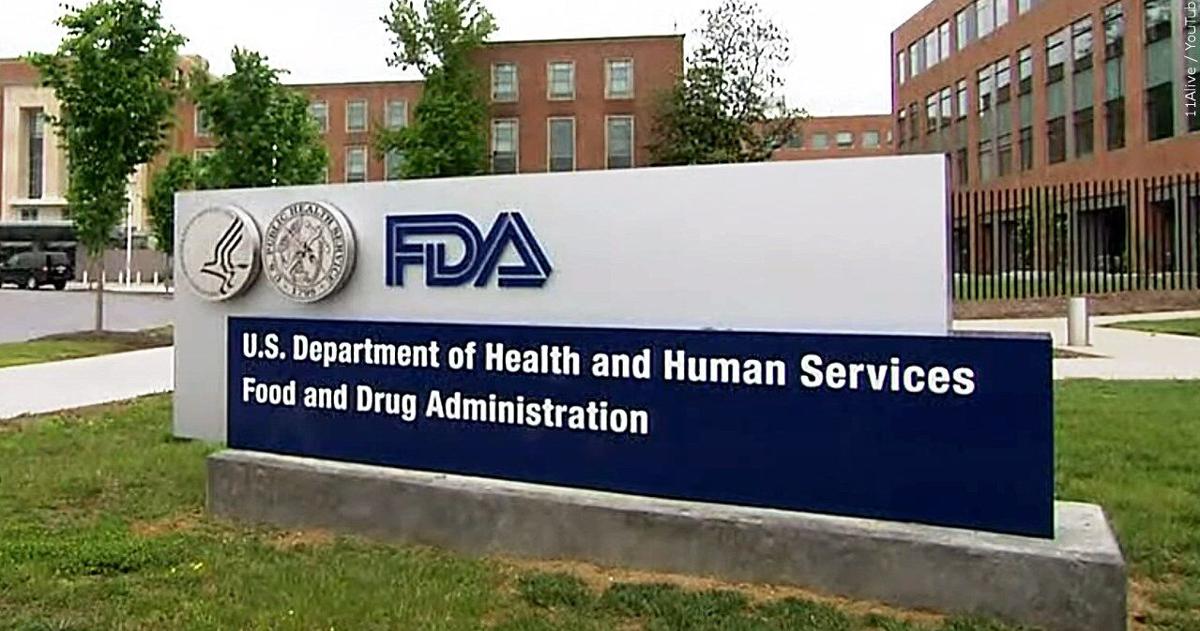
SILVER SPRING, Md. — Concern about a possible shortage of a nutrition source for critically ill newborns, prompted in part by the impending closure of a Lehigh County facility, has the attention of the Food and Drug Administration (FDA).
The FDA recently issued guidance that relaxes compounding rules for neonatal starter parenteral nutrition (PN).
PN products provide nutrients through an IV to premature and critically ill newborns who cannot receive nutrition by mouth or through a feeding tube, the FDA said.
The FDA said it became aware of a potential supply gap after children’s hospitals raised concerns about the discontinuation of certain standardized neonatal starter PN products made by two outsourcing facilities that are permanently shutting down.
Those facilities are a pair of 503B compounding pharmacies operated by Central Admixture Pharmacy Services (CAPS), a B. Braun subsidiary.
One of the facilities is in Upper Macungie Township; the other is in Phoenix, Arizona.
According to the American Society of Health-System Pharmacists (ASHP), the largest association of pharmacy professionals in the U.S., CAPS is currently the only 503B outsourcing facility that supplies neonatal starter PN solutions.
A B. Braun spokesperson told 69 News last week that CAPS Lehigh Valley will stop shipping products to customers on Sept. 30.
Wind down activities will continue through the remainder of the year, with operations fully ceasing by year’s end, the spokesperson said.
According to media reports in Arizona, the closure of the CAPS facility in Phoenix is following a similar timeline.
“The FDA is committed to deploying every regulatory tool available to prevent critical supply chain gaps from threatening patient care,” said Acting FDA Commissioner Kyle Diamantas, in a news release. “We are working closely with healthcare providers and industry partners to help ensure that vulnerable populations continue to have access to the care they need.”
The new guidance, which is in effect for 180 days, is intended to help address potential supply gaps and support hospitals in continuing to access critical nutrition drug products while longer-term solutions are identified, the FDA said.
The FDA implemented the new guidance without the customary public comment period due to what it called “the urgent public health need.”
The temporary rules say the FDA will not take action against a state-licensed pharmacy or federal facility that is not registered as an outsourcing facility, such as a hospital or health system pharmacy, for providing certain starter parenteral nutrition products without obtaining a patient-specific prescription.
Typically, only 503B pharmacies can compound large batches of sterile medications without needing individual prescriptions; 503A compounding facilities focus on patient-specific prescriptions.
An FDA spokesperson told 69 News the agency will assess the supply of starter parenteral nutrition and may update or modify the guidance as necessary.
Quva Pharma, based in Texas, announced earlier this month that it had acquired “a range of essential medications” from CAPS. Quva said it expects to begin introducing selected products from the acquired portfolio in phases later in 2026 and to expand its offerings over the following six months.
QUVA has 503B manufacturing facilities in Texas and outside Bloomsbury, New Jersey in Greenwich Township.