
The autumn equinox marks the transition from summer to fall, when daylight and darkness are nearly equal. After the equinox, nights gradually become longer, temperatures begin to cool, and Pennsylvania’s farms enter one of the most varied periods of the agricultural year.
On farms and at farmers markets, the seasonal change is reflected in the available produce. Summer crops such as tomatoes, cucumbers, peppers, green beans, zucchini and sweet corn may still be available, especially in early fall. Warm weather can help these crops continue producing, giving shoppers a final opportunity to enjoy some of summer’s most familiar flavors.
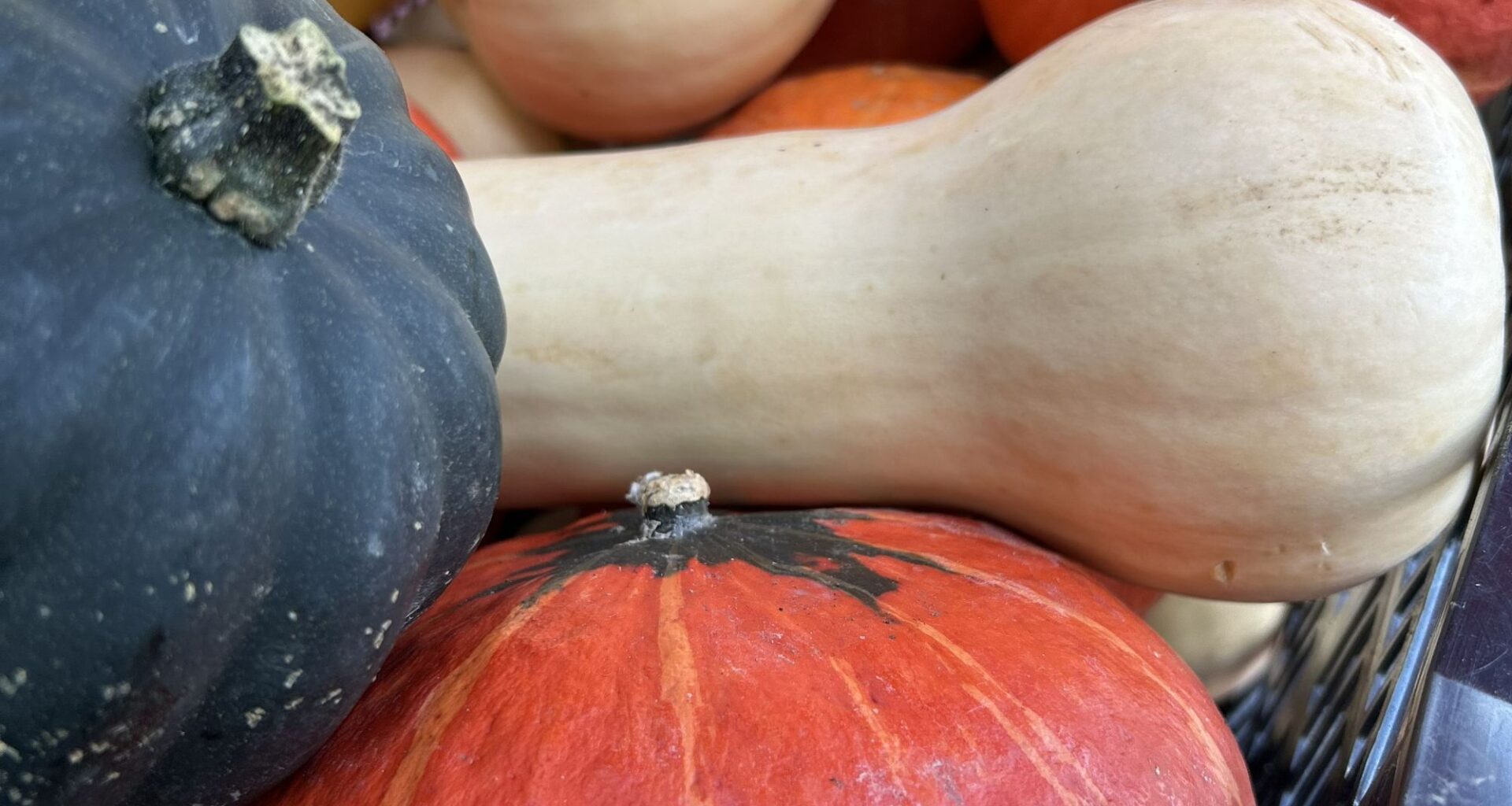
At the same time, fall crops begin to take over. Pennsylvania’s September and early October harvests commonly include apples, pears, pumpkins, winter squash, potatoes, carrots, beets, onions, cabbage, broccoli, cauliflower, kale and other hardy greens. These crops are well suited to cooler temperatures and often become increasingly abundant as summer vegetables begin to decline.
Sweet corn and tomatoes may continue into the transition period, depending on weather, planting dates and growing conditions. Later in the fall, farmers may also harvest Brussels sprouts, turnips, parsnips and other storage crops. Some vegetables, including carrots, beets and certain greens, can tolerate light frosts and may remain available, and taste sweeter, well after the equinox.
The timing varies by region, farm and weather conditions. Pennsylvania’s growing season is not identical from one location to another. Farms in warmer areas may continue harvesting summer crops longer, while farms in higher elevations or northern parts of the state may experience cooler temperatures and frost earlier. A warm September can extend the season for tomatoes, peppers and sweet corn, while an early frost can end production quickly.
Rainfall, heat, pests and storms also affect both crop quality and availability. Too much rain can delay fieldwork or damage delicate produce, while dry conditions may require irrigation and can affect crop size. Farmers must continually adjust their plans as conditions change, often managing several harvests at once.
The equinox is an important point in the agricultural calendar because many farms are managing multiple stages of production simultaneously. Summer crops are still being harvested, fall crops are reaching maturity, and fields may be cleared or planted with cover crops. Cover crops help protect and improve the soil during the colder months, reducing erosion and adding organic matter for future growing seasons.
Farmers may also begin storing root vegetables, curing winter squash and pumpkins, and preparing crops for the colder months. Proper storage allows produce such as potatoes, onions, carrots and squash to remain available long after harvest. These preparations help extend the local food season and provide fresh Pennsylvania products throughout the winter.
At Pennsylvania farmers markets, this overlap creates a broad and changing selection of produce. Shoppers may find the last of the summer harvest alongside the first apples, squash and root vegetables of fall. A single market stand might include tomatoes, peppers, apples, leafy greens and freshly dug potatoes.
The mix changes from week to week as temperatures drop and individual crops reach maturity. This variety is one of the defining features of the autumn season. The autumn equinox does not mark an immediate end to the growing season. Instead, it signals a shift in what Pennsylvania farms produce and how farmers manage their fields. Summer vegetables gradually decline, while cool-season crops and storage vegetables become more prominent through the fall.
Want to learn more about what’s available at producer only farmers markets in Pennsylvania? Come visit us at West Reading Farmers Market every Sunday from 10 a.m.-1 p.m. on Penn Avenue in West Reading.
Kendra Giangiulio is manager of the West Reading Farmers Market.