
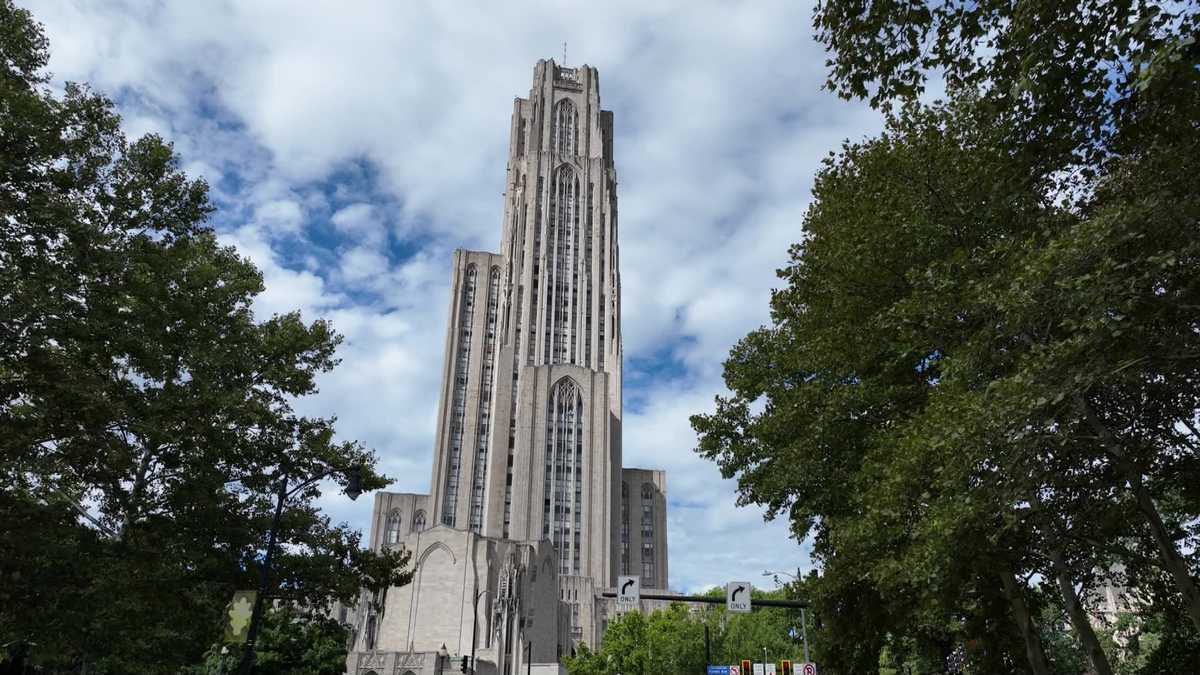
Cathedral of Learning celebrates 100th anniversary of groundbreaking in Pittsburgh
 PITTSBURGH —
The University of Pittsburgh’s Cathedral of Learning, a 42-story academic building and Pittsburgh landmark, is celebrating its 100th anniversary this weekend with nightly light shows at 9 p.m. from Friday through Sunday.
When it opened, the Cathedral of Learning was the tallest academic building in the world, towering over Pittsburgh’s skyline.
“The first thought about a building like this would have been, it’s a work of art,” said Drew Armstrong, a professor of history of art and architecture at Pitt.
“It was the tallest academic building before the University of Moscow, which is a building from the 1930s,” Armstrong said.
Today, it remains the tallest university building in the United States and one of Pittsburgh’s most recognizable landmarks.
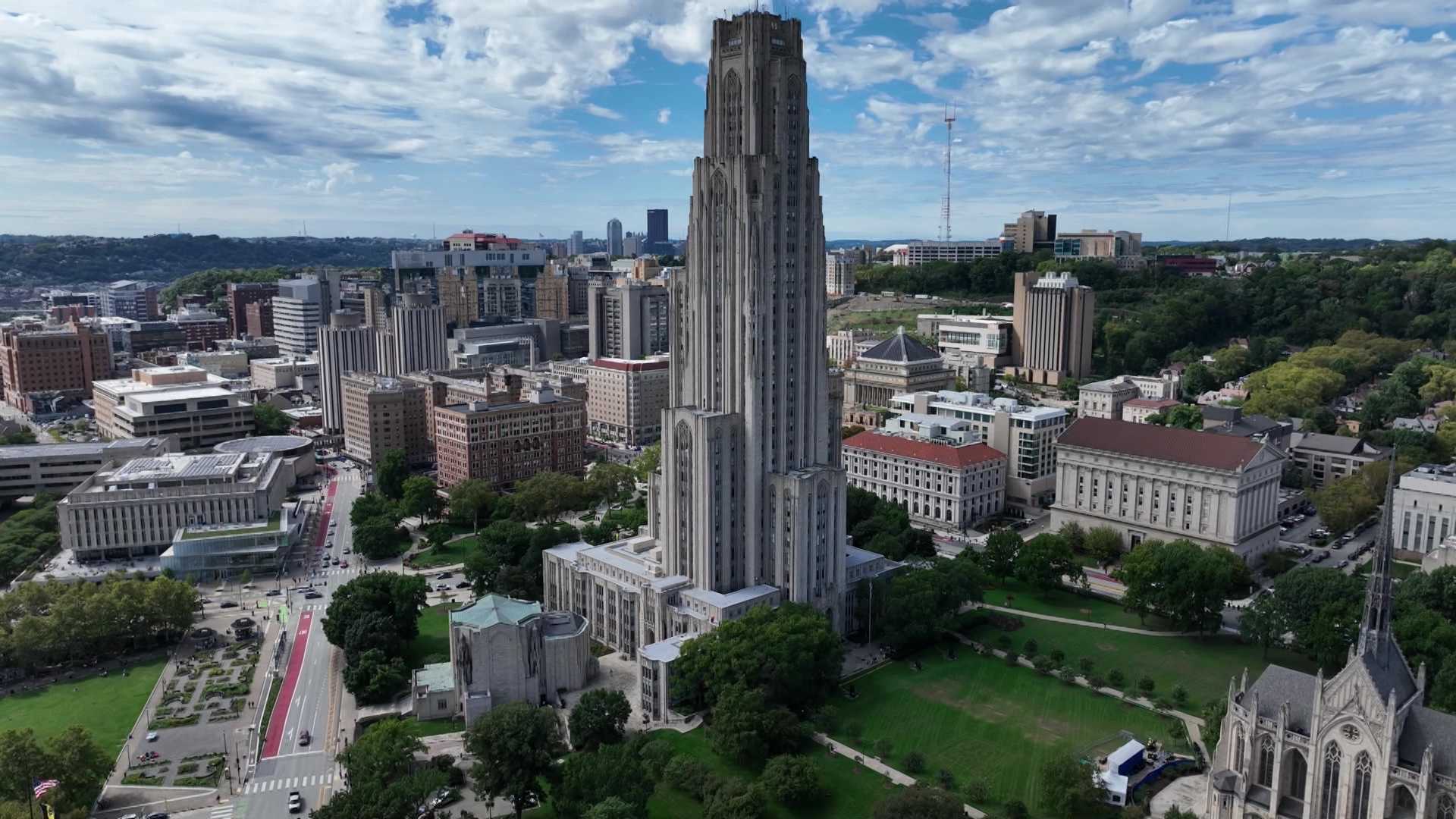
“The ambition was, this is a building of global significance,” Armstrong said.
The vision for the Cathedral began years before construction started along Forbes Avenue, when John Bowman became the University of Pittsburgh’s chancellor in 1921.
“He wanted a building that would produce a sense of awe. You would walk by or walk into it, and you would be impressed. It would impress on you the importance of the university — and even more, the importance of the city of Pittsburgh,” Armstrong said.
Cathedral of Learning 100: https://www.cathedral100.pitt.edu
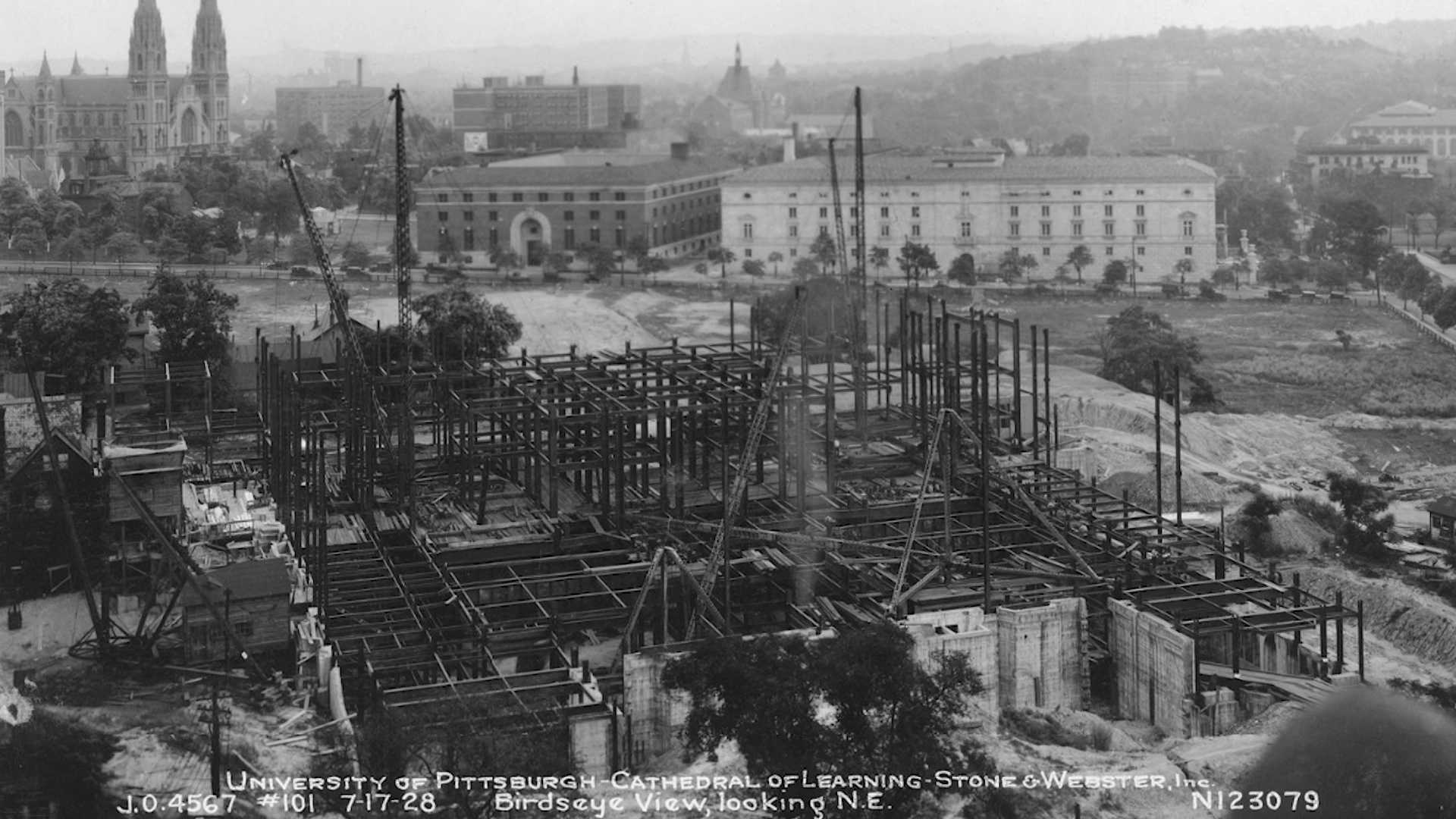
Originally planned as a 52-story structure, the design was scaled back to 42 stories to avoid debt. The university launched a community campaign to raise $10 million — equivalent to roughly $200 million today.
“The part of the campaign is to raise a dime from each of 97,000 schoolchildren, and the university took this very seriously. They produced a certificate that each student was provided with, and they contributed their dimes to the building,” Armstrong said.
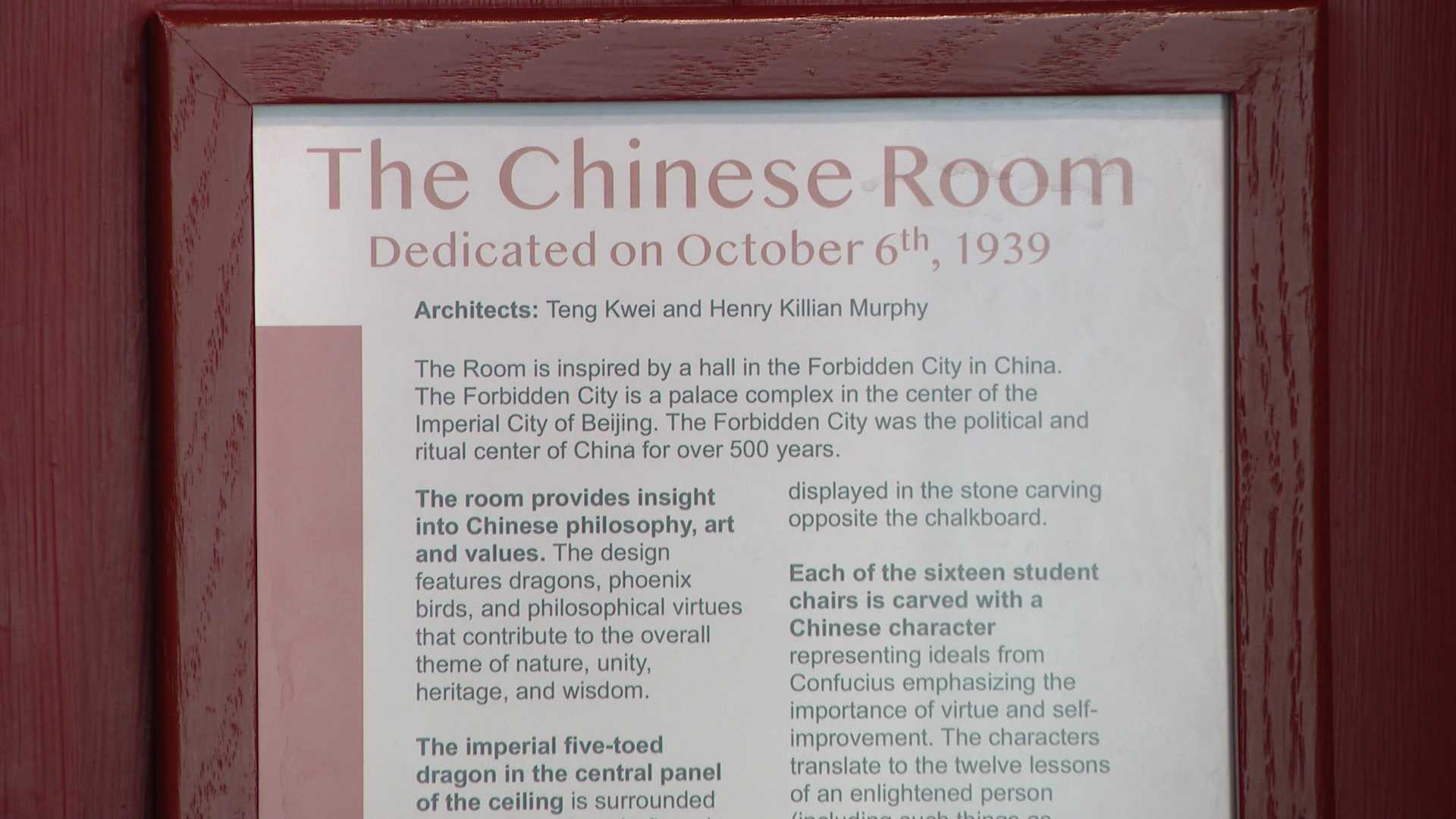
The Cathedral of Learning also reflects the heritage of Pittsburgh’s immigrant communities through its Nationality Rooms.
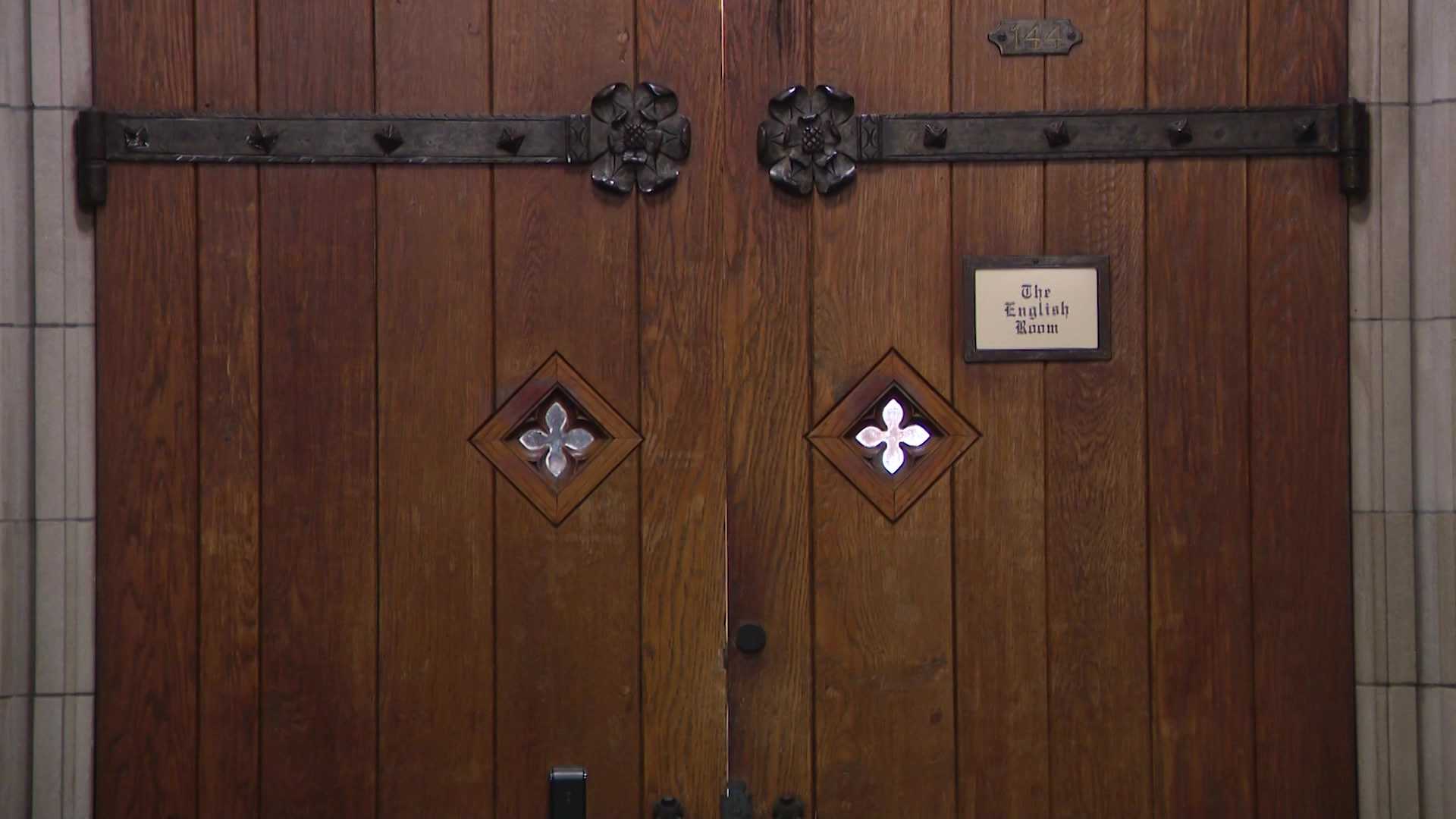
“The university explicitly says the goal of the Nationality Rooms is to showcase the best of all of the immigrant groups, which together are going to form the future of American culture,” Armstrong said.
Each Nationality Room was designed to represent the heritage and traditions of different immigrant groups. The first phase included 18 rooms, and there are now 31. These rooms were intended not as museums but as living classrooms where students can experience the cultures they represent.
“One of the great things about the building is maybe it isn’t finished,” Armstrong said. “It is never finished. It is always being changed and transformed to reflect what the university needs.”
The Cathedral of Learning remains a symbol of Pittsburgh’s history, culture, and ambition, standing tall as a testament to the city’s enduring legacy.
The university is hosting a three-day celebration from September 25- September 27, featuring a cinematic light show, Cathy-Palooza.
WTAE
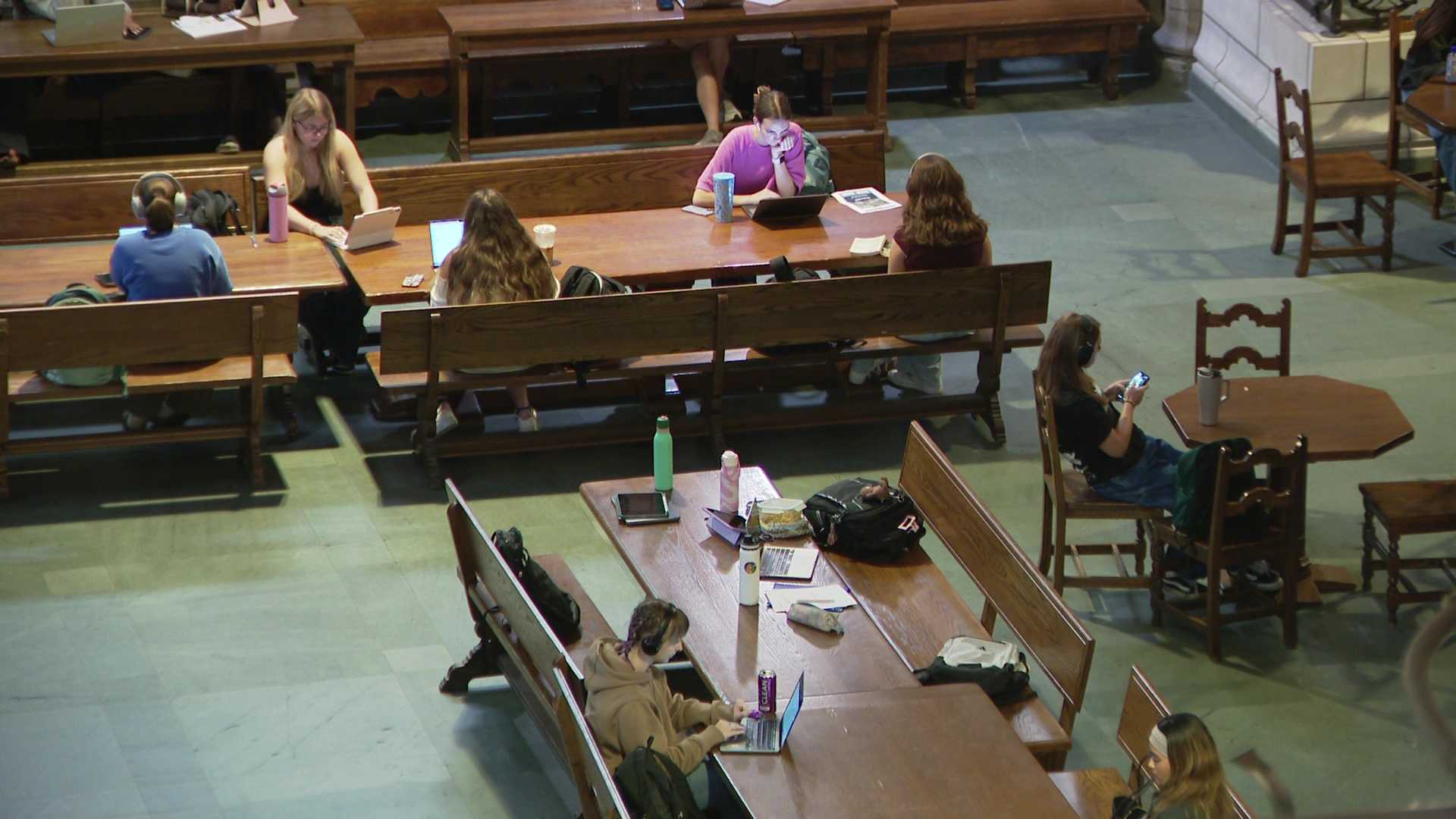
Pitt students at the Cathedral of Learning