

The following excerpt is from an op-ed originally published in PennLive on September 23, 2026.
Pennsylvania faces a harsh reality: The federal government has made the largest cuts to SNAP in recent history. It will only get worse. Pennsylvania will need to find more than half a billion dollars a year to keep its largest anti-hunger program and prevent more people from using food pantries.
Maintaining the Supplemental Nutrition Assistance Program (SNAP) is critical because more families are going hungry now than at the height of the COVID-19 pandemic.
That’s why Pennsylvania should place a tax on the distributors of sweetened drinks and use the tax revenue to support SNAP. As researchers who have studied nutrition and hunger for more than two decades, we believe the tax will ensure that more Pennsylvanians do not go hungry while helping the state economy thrive.
The federal 2025 Reconciliation Act has already slashed the number of SNAP recipients in Pennsylvania by 12% after imposing new rules. Starting next month, the law will enter a dangerous new phase by requiring states to cover 75% rather than 50% of SNAP’s administrative costs. This will cost the Commonwealth an extra $130 million annually.
Read the full op-ed here.
Authors

Mitchell J. Blutt and Margo Krody Blutt Presidential Professor, Medical Ethics and Health Policy and Director, Center for Food & Nutrition Policy, Perelman School of Medicine

More from LDI

State-Level Flavored Tobacco Bans: Are They Working in Youth?
LDI Fellow Recommends Coupling Bans With Price Increases, Cessation Support to Meaningfully Reduce Youth Use
September 24, 2026
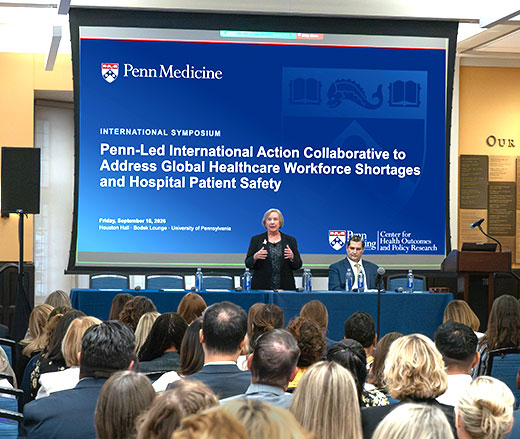
Global Nursing Shortage Requires Better Workplaces, Not Just More Nurses
Penn-led Symposium: Magnet4Europe Hospitals Improved Retention, Safety, and Quality by Giving Nurses a Greater Voice in Care Delivery
September 23, 2026
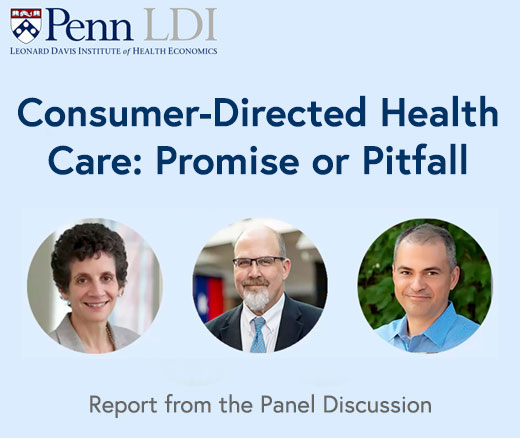
The Battle to Turn Consumers Into Effective Health Care Shoppers
LDI Virtual Seminar Explores Whether We’re Winning or Losing and What That Means
September 21, 2026

Could Virtual Coaching Make Caregivers Healthier?
Penn Group Finds Virtual Program May Cut Hospital Stays and Save Money
September 17, 2026

Higher Overdose Risk and Less Care for People with Autism and Substance Use Disorder
First National Study Comparing SUD Outcomes by Autism Status Finds Stark Disparities
September 16, 2026

Can Venture Capital Help Solve America’s Maternal Health Crisis?
U.S. Startups Offer New Solutions but Raise Concerns About Medicaid Access and Equity
September 15, 2026