
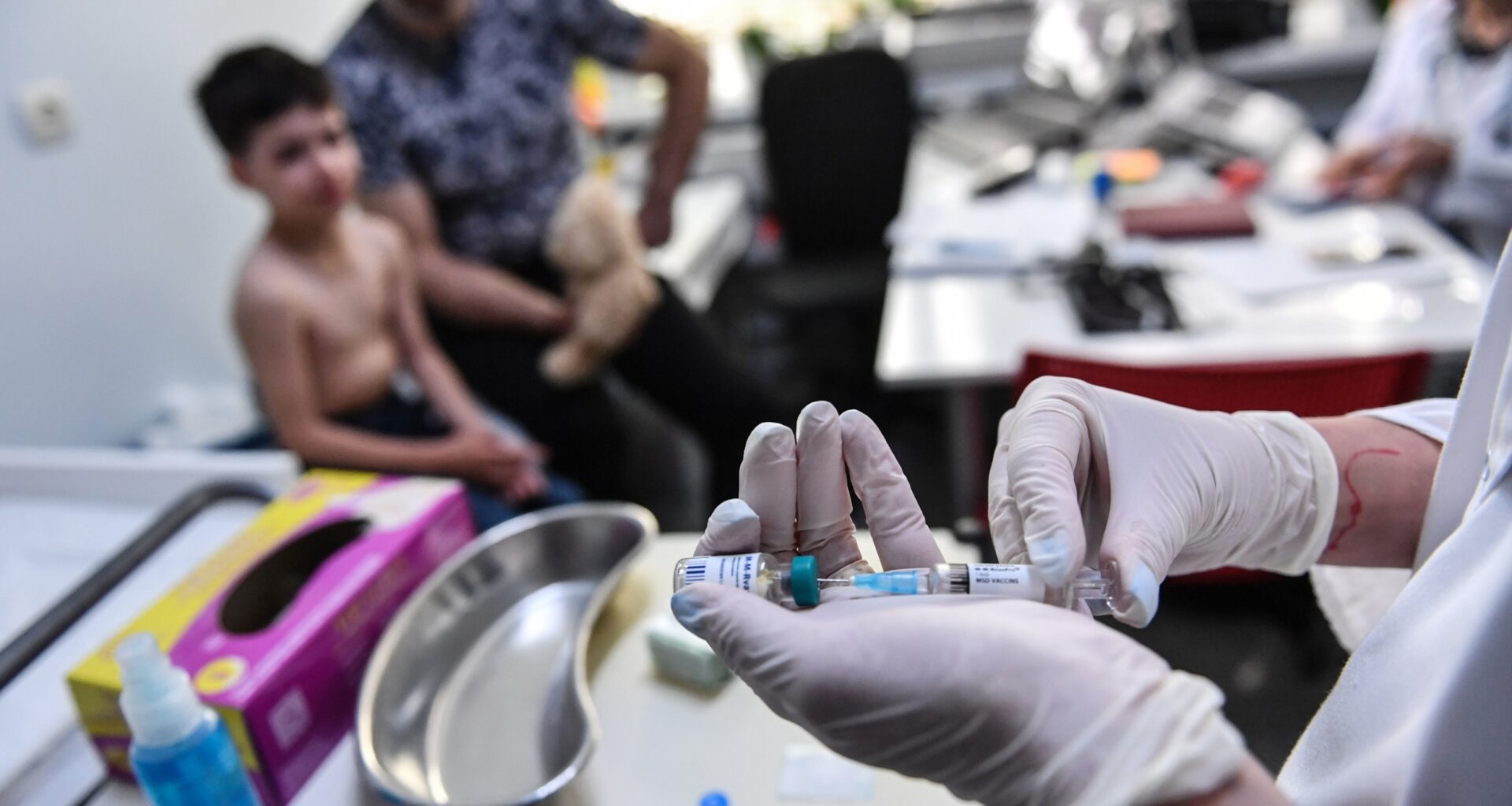
The CDC confirmed 3,659 measles cases in the United States this year as of Sept. 24, up 188 from the week before. The latest CDC measles data also show that 1,384 of this year’s cases came from outbreaks that began in 2025, meaning some chains of spread have lasted well beyond a single season.
In Pennsylvania, the Department of Health reported 890 cases across 39 counties on Sept. 25, including 55 new cases since Sept. 23. Hospitalizations rose to 173, and the state still counts four measles-associated deaths.
The numbers come shortly before an international panel meets in November to review whether the United States still meets the definition of measles elimination. That ruling will not change how well the vaccine works. It does raise a practical question for families: whether measles should still be treated as a rare, imported illness or as a recurring local risk.
Pennsylvania Adds 55 Cases in Two Days
MedicalDaily previously reported the state at 835 cases and four deaths as of Sept. 23, when federal and state death counts had not been reconciled. Since then, the state has added 55 cases and nine hospitalizations.
Lancaster County has recorded the most cases at 359, followed by Mifflin County at 102, ABC News reported from state data. Most patients are 25 to 49 years old. Only four cases, fewer than 1%, involve fully vaccinated people.
Vaccine demand remains high. The state now reports more than 49,000 MMR doses given in August, up from the more than 46,000 it cited earlier this month, and more than 38,000 in the first three weeks of September. A typical month sees about 25,000.
Outbreaks That Crossed into a Second Year
Nationally, 95% of confirmed cases this year, or 3,478 of 3,659, are linked to outbreaks. Of those, 2,094 came from outbreaks that began in 2026, and 1,384 came from outbreaks that began in 2025. The CDC has counted 40 new outbreaks this year, and cases have been reported by 47 jurisdictions, including New York City and Washington, D.C.
The 2026 total is well above the 2,289 cases reported in all of 2025. The CDC lists one measles death this year, a figure it says may change.
The split between 2025 and 2026 outbreaks matters because of how elimination is defined. A country loses elimination status when the same measles virus spreads continuously for at least 12 months. Cases tied to older outbreaks suggest long-running spread, but they do not by themselves prove a single unbroken chain. That determination depends on genetic sequencing and epidemiological review.
Falling vaccination coverage is part of the picture. MMR coverage among U.S. kindergartners dropped from 95.2% in the 2019 to 2020 school year to 92.4% in the 2025 to 2026 school year, leaving about 280,000 kindergartners at risk, according to the CDC.
A November Verdict with Household Stakes
The Pan American Health Organization said in a March 2 update on its measles elimination review that its Regional Verification Commission will review the measles status of the United States and Mexico at its regular meeting in November 2026. The review covers all member states, with particular focus on those with active outbreaks and those that meet the 12-month transmission criteria. PAHO said U.S. health authorities are conducting complete viral genome sequencing. Canada lost its elimination status in November 2025.
A ruling against the United States would not change vaccine recommendations or make measles more dangerous for any one person overnight. The Association of State and Territorial Health Officials notes that endemic transmission makes outbreaks larger and more frequent. For families, that could mean more school exposure notices, more airport and clinic alerts, and more worry for parents of infants too young to be vaccinated.
Dr. William Schaffner, a professor of preventive medicine at Vanderbilt University Medical Center, told ABC News: “I think it is concerning that there will be more outbreaks, some larger, some smaller, because it’s clear from the national data that a proportion of parents are withholding their children from vaccination.”
Protection Steps for Families Right Now
Pennsylvania officials say people with two documented MMR doses do not need another. Adults with only one dose, or who cannot find their records, should ask a health care provider or pharmacist about vaccination. Two doses are 97% effective, and one dose is 93% effective, the CDC says.
Families planning holiday travel should check records early. The CDC’s measles travel guidance recommends that infants 6 to 11 months old get an early dose before international travel.
Symptoms usually appear 7 to 14 days after exposure. They start with fever, cough, runny nose, and red, watery eyes, followed by a rash that begins on the face at the hairline and spreads downward. Anyone who suspects measles should call a clinic or emergency department before arriving so staff can protect other patients. The measles virus can live in the air for up to two hours after an infected person leaves a room.
In Pennsylvania, the MMR vaccine is available through health care providers, county and municipal health departments, state health centers, federally qualified health centers, and the Vaccines for Children program for eligible children. Residents with questions can call 877-PA-HEALTH.
The CDC updates national figures weekly. Until the PAHO decision in November, the most useful step for most households is confirming that everyone’s vaccine records are complete.
Developing Story Timeline
Sept. 25, 2026: CDC reports 3,659 U.S. cases as of Sept. 24. Pennsylvania reports 890 cases in 39 counties and 173 hospitalizations.
Sept. 23, 2026: Pennsylvania reports 835 cases and four measles-associated deaths, while the CDC lists one 2026 measles death.
Sept. 18, 2026: CDC reports 3,471 U.S. cases as of Sept. 17. Pennsylvania reports 767 cases.
Late April 2026: Pennsylvania’s outbreak begins, according to the state Department of Health.
Key Questions Answered
How many measles cases has the U.S. reported in 2026? The CDC reports 3,659 confirmed cases as of Sept. 24, 2026, up 188 from the previous week. Cases have been reported by 47 jurisdictions.
How large is Pennsylvania’s outbreak? The state reported 890 cases in 39 counties, 173 hospitalizations, and four measles-associated deaths as of Sept. 25. Lancaster and Mifflin counties have the most cases.
What does it mean that 1,384 cases came from 2025 outbreaks? It shows some outbreaks have continued producing cases for more than a year. Whether that amounts to continuous spread of the same virus will be decided through genetic analysis and the November review.
Would losing elimination status change vaccine advice? No. Two doses of MMR remain the recommended protection. The status reflects how measles is spreading nationally, not how well the vaccine works.
Who is most at risk? Unvaccinated people of any age, infants too young for routine vaccination, pregnant people who are not immune, and people with weakened immune systems.
What should I do if I think I was exposed? Watch for symptoms for 21 days and call a health care provider before visiting. In Pennsylvania, residents can call 877-PA-HEALTH for guidance.
Published by Medicaldaily.com