
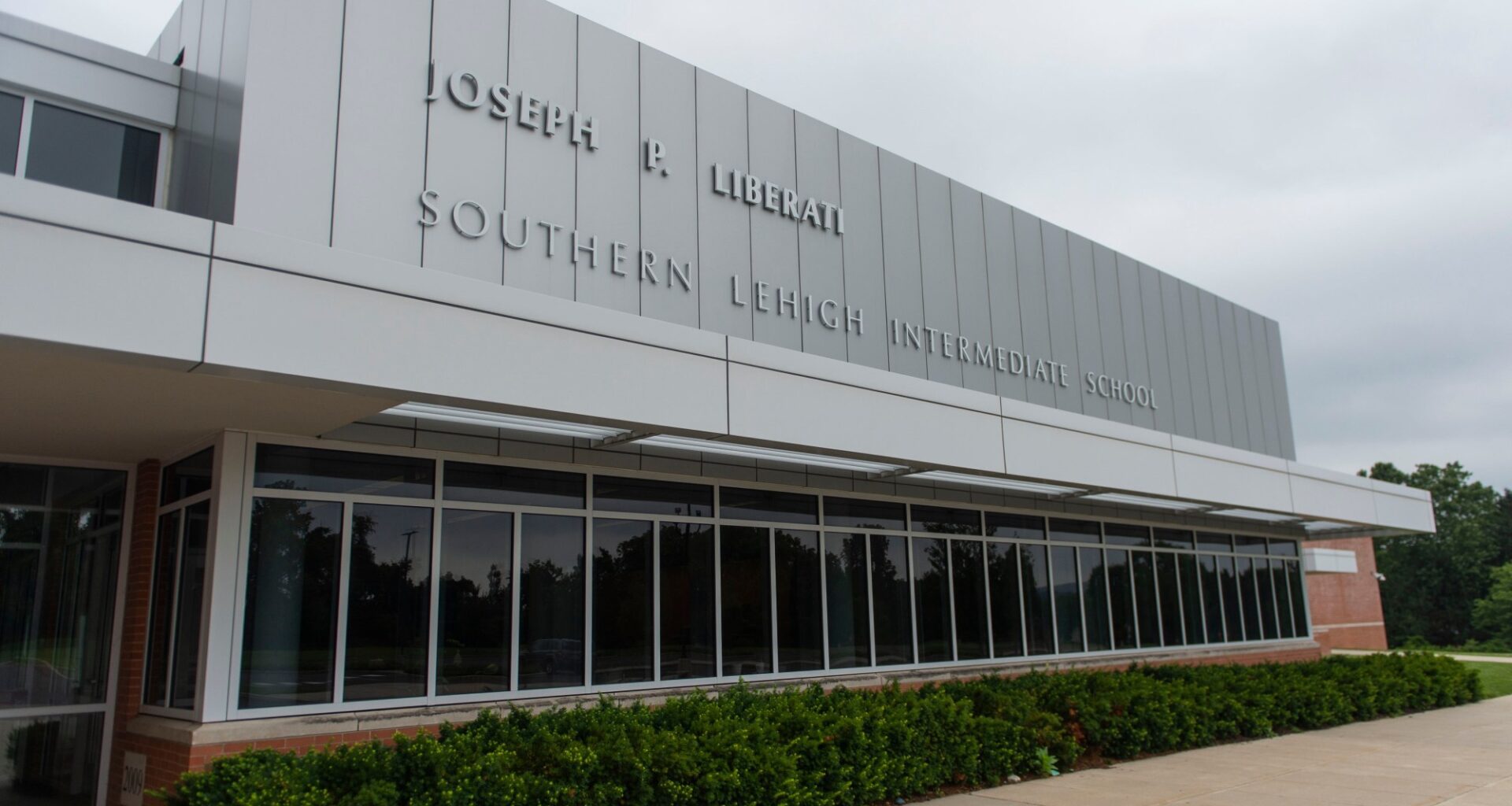
Southern Lehigh School District has been cautious in its rollout of artificial intelligence, but district officials say they’re ready to start integrating the technology into classroom instruction.
Early adopters are expected to range from elementary librarians teaching about AI literacy to high school business instructors covering how AI affects resume screening.
“We have come to a critical juncture where it is more important to be curious than to be certain,” Tamara Solometo, the district’s director of curriculum and instruction, said at the most recent school board meeting.
It’s critical to keep a “watchful and consistent eye” on how AI tools are evolving, but it is time to start experimenting with their academic applications, she told the board.
“If we wait until we are certain, we run the risk of never acting, and then we have lost the race against AI,” Solometo said.
A 24-member AI Steering Committee formed in January, and its monthly meetings this school year will be used to monitor progress and adjust implementation strategies. The group includes district and building administrators, teachers, counselors and instructional assistants across the K-12 spectrum.
Parents should expect further communication from the district after administrative regulations are developed to accompany the AI-related school board policy passed last fall, Solometo told The Morning Call.
“This work will occur in the near future so that we can begin implementing AI instruction as soon as possible,” she wrote in an email.
How to use AI
Appropriate messaging to students is that AI is a “helpful robot sidekick” and that their role is to be a “fact detective” who is the “boss of the computer,” Ryan Haupt, a math teacher at Southern Lehigh High School, said during the board meeting.
Emphasizing how students need to use their own brain to verify and critique AI-generated responses “prevents students from passive screen consumption,” Haupt added.
The steering committee’s presentation to the board included an “AI Acceptable Usage Matrix” that details what it means for older students to use the technology, listing roles for AI that include thought partner, editor, analyst and co-creator.
For younger students, a simplified red-yellow-green menu uses stoplight imagery to illustrate the spectrum of no use, some use and full use.
Jordain Piazza, a fifth grade teacher at Liberati Intermediate School, said he plans to employ AI tools “here and there” but doesn’t envision daily use.
“If AI is used too much, then it takes away the thinking of the students as they’re doing the math problems —I don’t even like to use calculators too much in my math class,” he said, “but I see it more useful, maybe, on some types of science projects, things like that.”
Teachers will have to determine age-appropriate use, Piazza said, and that likely means elementary teachers would be using AI to accomplish tasks like modifying reading passages to help students at different levels be successful, rather than having young students hop on with a chatbot.
Training that began last fall focused on the use of Google tools for middle and high school teachers, including the Gemini chatbot and NotebookLM, a tool that can repackage uploaded classroom resources. Haupt said he’s used NotebookLM to create a “virtual tutor” that relies on his notes, videos and practice problems.
The district is already paying for those tools as part of its Google adoption, and there are safety protocols that keep generated data in the district’s account, Solometo said.
In response to school board member Kimberly Jaramillo’s question about what data is restricted from ever being entered into an AI tool, Solometo said identifying information, such as that contained in the Individualized Education Programs and 504 plans that document accommodations for students with special needs, should be kept out, as inputting sensitive data “could be a slippery and dangerous slope.”
See more from the SLSD AI presentation to the school board: