
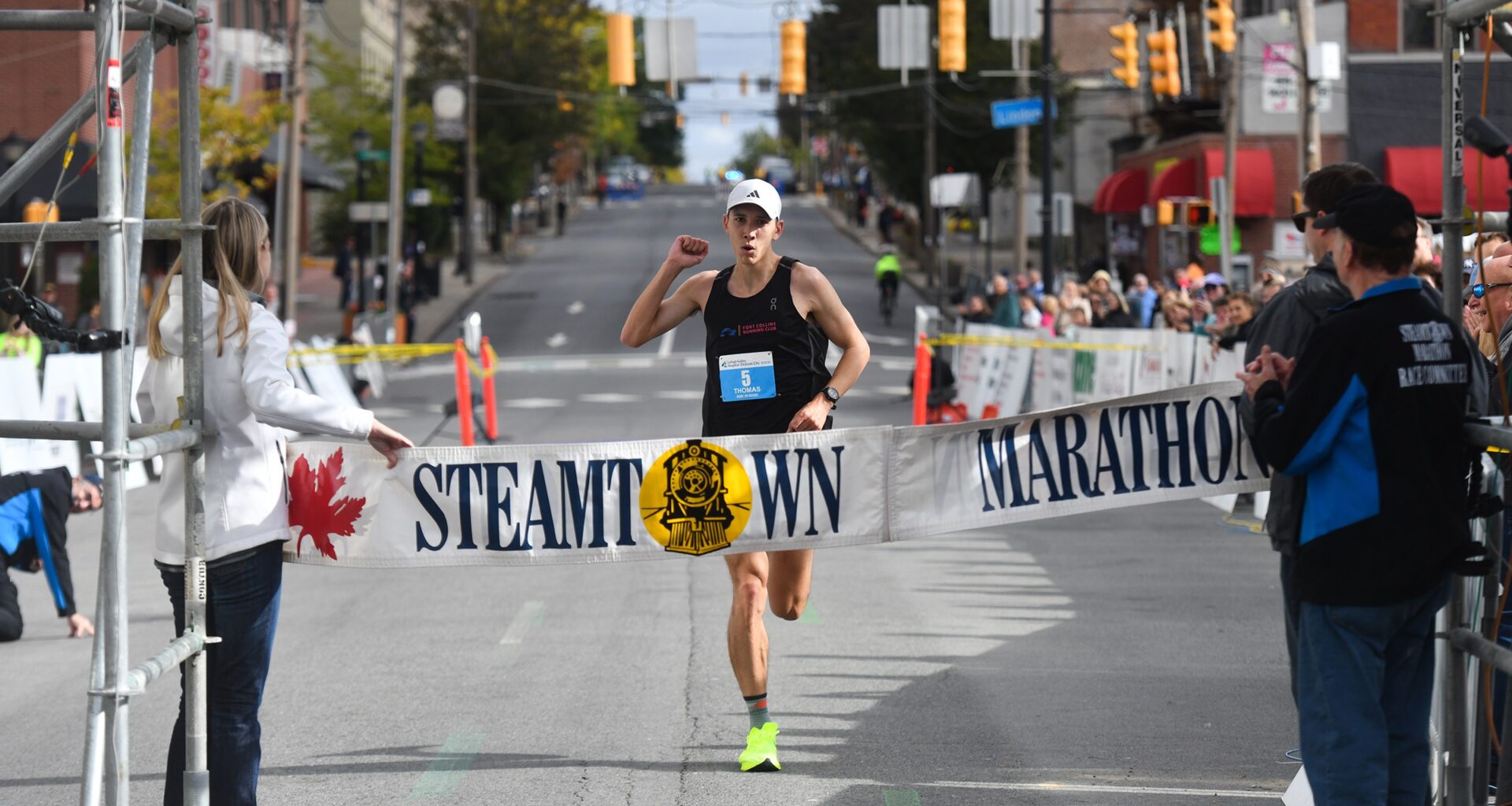
The 29th Steamtown Marathon is a week away, and I have one quick piece of advice for the actual running part: Start slowly, avoid the first-mile adrenaline sprint downhill and enjoy the journey. Remember, only one Olympic marathon winner (Juan Carlos Zabala, Argentina, 1932) was in the lead at the 5-mile mark. Lesson: The last miles matter more than the first.
But long before you get to the starting line in Forest City, there are many steps you can take to prepare for a successful race — particularly for novice marathon runners or those traveling from other locations. What should you pack? How should you dress? What supplies will you need?
Elite runners are so experienced that they know exactly what to pack in preparation for the big day. But people running a marathon for the first or second time usually have lots of questions.
What you need and what you can bring will depend on your support team. If you are running alone and will not have family or friends meeting you along the way, you are limited to a fanny pack and a few supplies. If you have a support team, they can carry a bag with supplies and meet you along the course, providing you with a sense of security.
Remember, don’t do anything differently on race day. Practice runs are for trying out special clothing, water with supplements and snacks. Also, experiment in advance with your best prerace meal. For Steamtown, you will be getting up at 5 to 6 a.m. to catch the bus from Scranton to Forest City. You may want to pack breakfast to eat in the high school gym — something like a bagel, peanut butter, jelly, banana, and coffee or Gatorade. Moving your bowels before the race is a must.
Dressing for the weather is important. Columbus Day weekend in Northeast Pennsylvania is unpredictable, and 30- to 40-degree temperatures when you catch the bus in Scranton and at the 8 a.m. starting time are not unusual. Here are some things to keep in mind:
Clothing
•Hat and gloves: Wearing a hat and light gloves can be a good idea. Dry-tech materials are best to prevent retention of sweat.
•A long-sleeve shirt and light jacket may be necessary. Wearing old items is best so they can be discarded along the way once you are warmed up.
•Any extra items can be placed in a labeled bag at the starting line and will be transported to the finish line for your convenience. So, if it’s a cold morning, wear a jacket and warmup pants on the bus to the starting line, then bag it.
Accessories
•Have sunglasses and sunscreen if sunshine and warm temps are in the forecast. Sunglasses are best placed on top of your hat until needed, and sunscreen should be applied before the race.
•Skin lubrication: Use petroleum jelly in areas of potential friction such as armpits, nipples, thighs and feet.
•Wear dry-tech protects, including shirt, underwear and socks, to prevent excessive moisture and friction.
•Favorite water source and snack: Water and light snacks will be provided every 2 miles, but sometimes it’s good to have your own favorites, especially in the high school gym before the race.
Fanny pack
If you don’t mind the little pack on your butt, a fanny pack can be valuable, especially if you’re running without a support team.
You’ll want supplies like small bandages, a roll of medical tape, ibuprofen, antacid tablets, a tube of lubricant, a favorite running snack and extra shoelaces. You might also consider packing a little money, a credit card, ID, emergency contact numbers and medical insurance cards. A cellphone is optional.
Supply bag
If you have a support team, have them meet you with your supply bag at prearranged locations along the race route.
In the bag, you might consider all of the fanny-pack items, plus a change of clothes (extra running shoes, socks, shorts, shirt and a waterproof windbreaker). Also bring towels, elastic bandages, gauze pads and wrap, antibiotic cream, moleskin, sunscreen, petroleum jelly, safety pins, extra water and favorite sport drink, favorite sport snacks, extra ibuprofen, antacid, anti-diarrhea medicine, chemical ice pack, cellphone, money, credit cards, ID and medical insurance cards.
For those with potential allergic reactions, remember to pack epinephrine, antihistamine and any other pertinent medications.
Don’t forget
Have a map and directions to the bus or starting line, a course map, your race number and your timing chip.
Perhaps most importantly, remember to be aware of your surroundings. Take in the fall foliage and chat with a fellow racer. Savor the moment and enjoy the day; you are doing something very special.
Paul J. Mackarey, P.T., D.H.Sc., is a doctor in health sciences specializing in orthopedic and sports physical therapy. He is in private practice in Scranton and Clarks Summit and is an associate professor of clinical medicine at Geisinger Commonwealth School of Medicine. Email: mackareypt@gmail.com.