
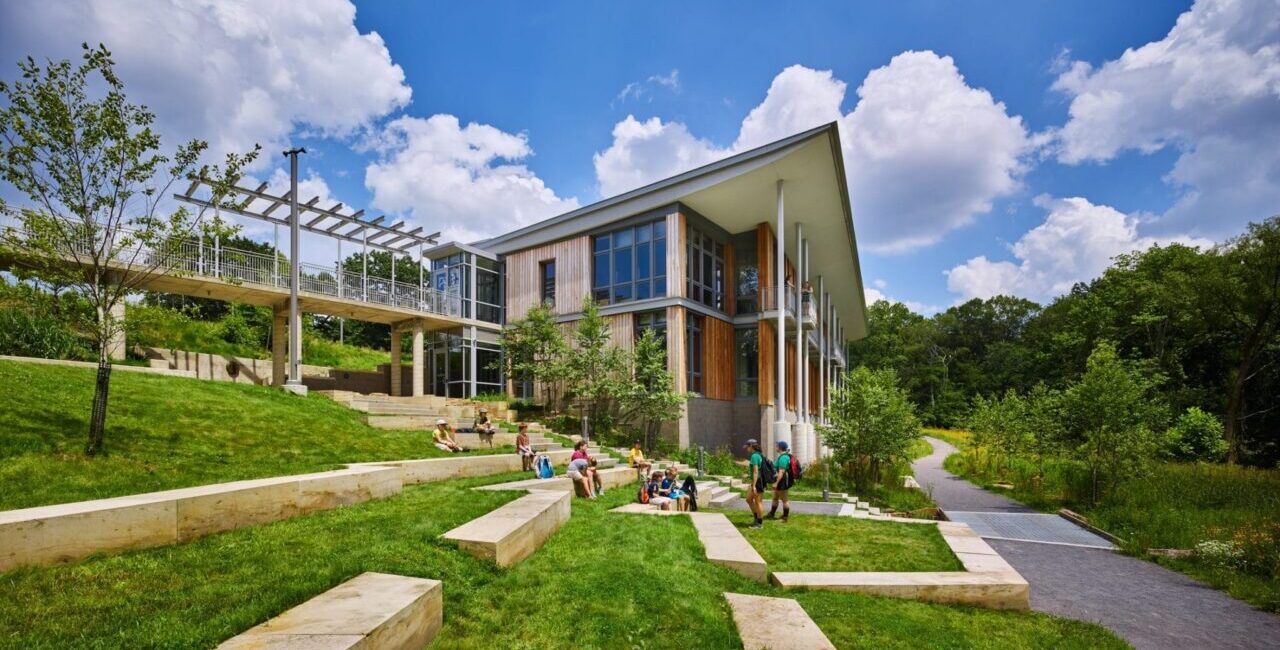
When we talk about quality of life in Pittsburgh, we often point to neighborhoods, schools, or cultural institutions. But for me, it begins somewhere simpler — and more profound: access to our parks.
Access means different things to different people. For one person, it’s a peaceful morning walk beneath tree canopies. For another, it’s experiencing that same trail using a specially designed wheelchair (a Trackchair®), feeling nature’s embrace. For a child, it may be the magic of catching a frog for the first time, or running down a hill with abandon, or discovering how the bare trees of winter sprout leaves in the spring.
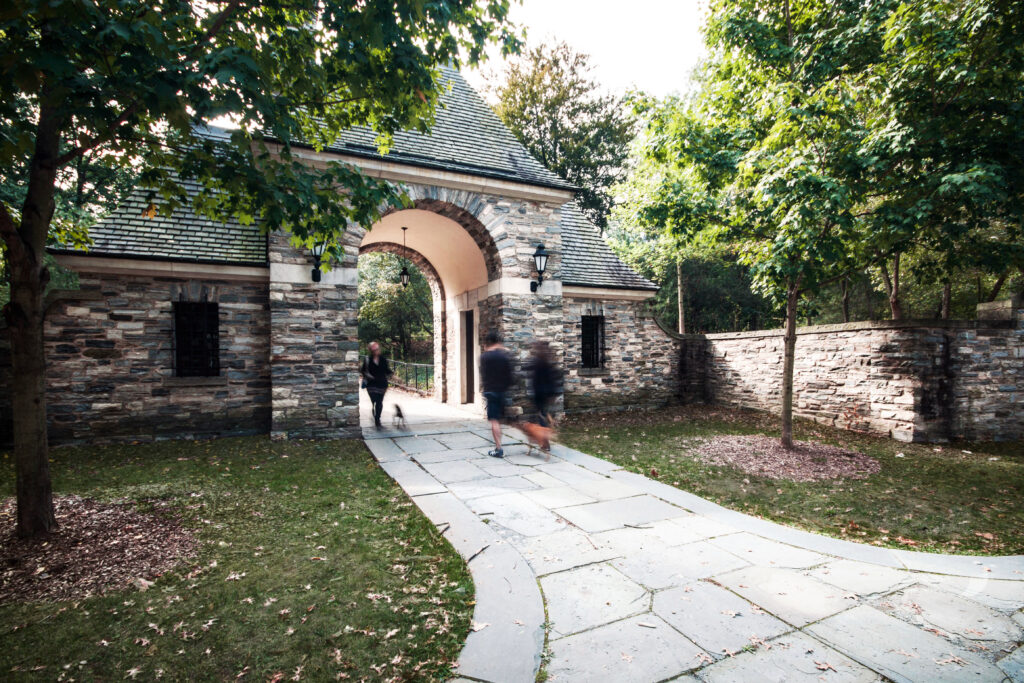 he Reynolds Street Gatehouse restoration was the Pittsburgh Parks Conservancy’s very first project, marking the beginning of three decades of park restoration and stewardship.
At the Pittsburgh Parks Conservancy, access is central to our mission. As we celebrate 30 years, we’re diving deeper: What does it truly mean that Pittsburgh’s parks are for everyone? How do we move beyond simply welcoming people to the parks to making people feel wanted in them?
Restoration is one thing. Making people feel at home is something else entirely — and that difference is shaping our next steps.
I grew up in Pittsburgh’s Squirrel Hill area, between Frick and Schenley parks. I raised my children on the South Side, where Ormsby Park became their gateway to nature. Like many Pittsburghers, my connection to this city is rooted in these shared experiences and spaces, especially parks. Parks aren’t just places we visit; they are ecosystems in which we live — where we relax, reflect, connect, and find both joy and solace as we mark life’s milestones.
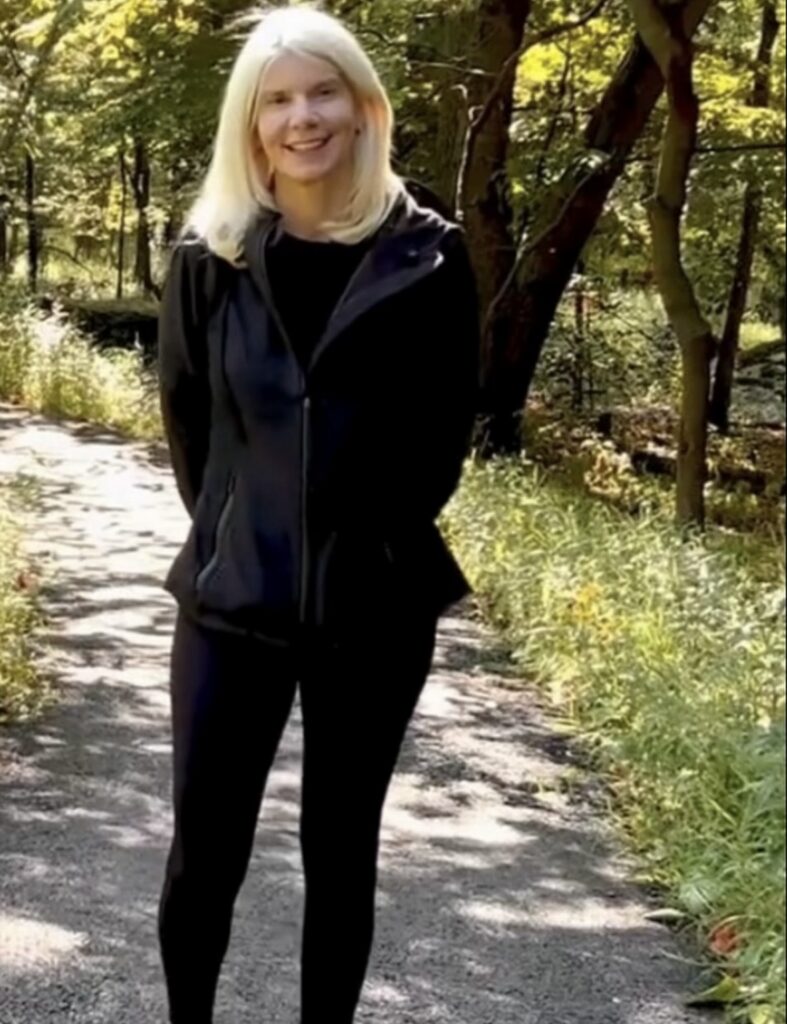 Catherine Qureshi has served as president & CEO of the Pittsburgh Parks Conservancy since 2021, leading the organization through a period of growth and impact.
That personal connection fuels my work today. While many have cherished memories of some of our historically well-maintained parks, such as Frick, Schenley, Highland, and Riverview, the Pittsburgh Parks Conservancy is committed to helping Pittsburghers build or maintain ties to nature in neighborhood parks across the city.
From day one, the Parks Conservancy has held a powerful truth: parks are among the most democratic spaces. They are open and free to all, woven into the daily fabric of our lives. But open and free hasn’t always meant accessible.
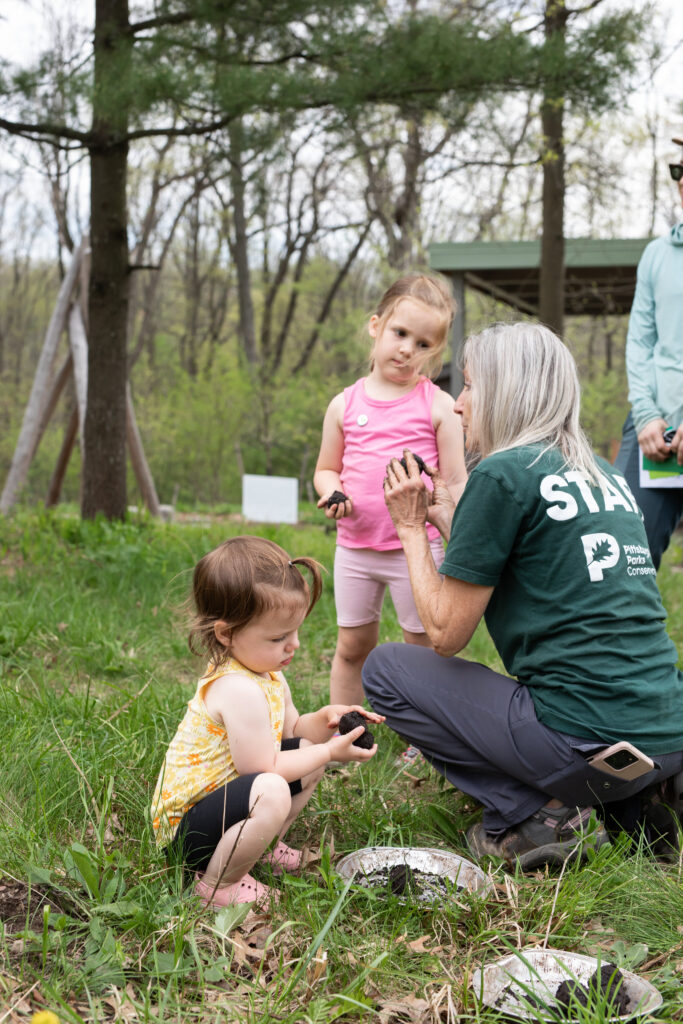 Connecting children to nature is at the heart of the Parks Conservancy’s mission, with thousands of local youth participating in environmental education programs each year.
Thirty years ago, our founder, Meg Cheever, saw both the beauty and fragility of Pittsburgh’s parks. At a time when many parks were neglected, she envisioned public-private partnerships and philanthropy as keys to revitalizing these vital civic assets. Her bold vision helped to create and restore iconic spots such as Schenley Plaza in Oakland and Downtown’s Mellon Square, making a real mark on Pittsburgh’s identity.
Today, we’re building on that foundation. If the first 30 years focused on restoring landscapes and preserving history, the next chapter is about true inclusion — making parks across the city beautiful, usable, welcoming, and meaningful for everyone.
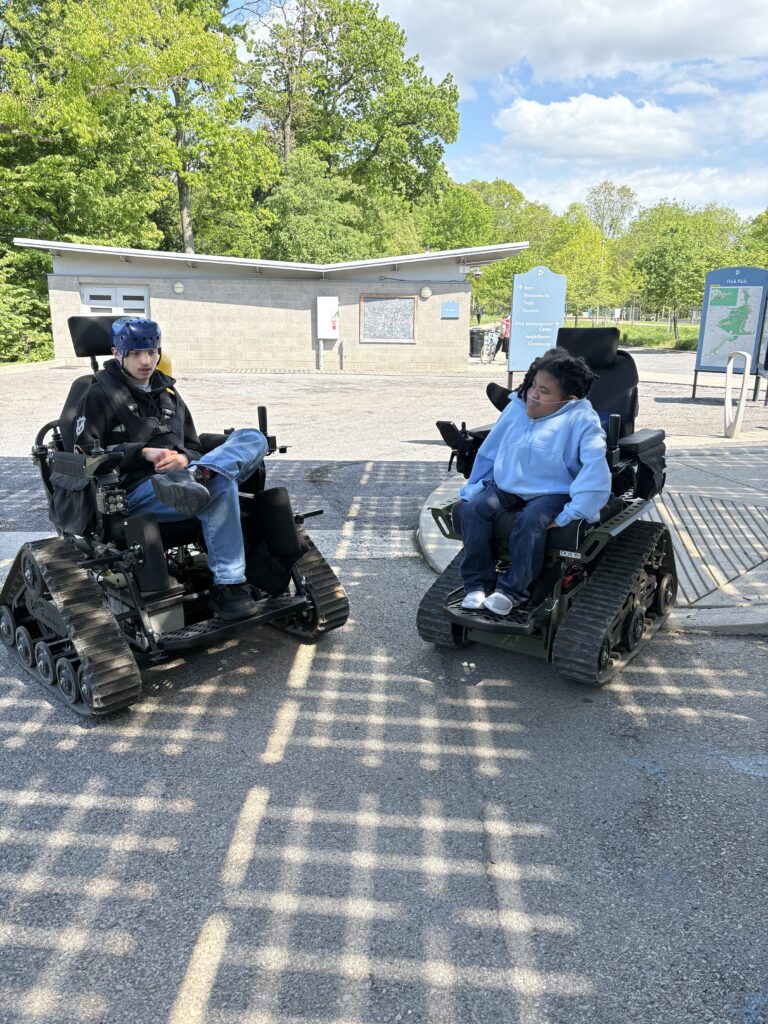 The Parks Conservancy’s Trackchair Program provides free all-terrain power wheelchairs, making Frick Park’s trails more accessible for people of all abilities.
This is a twofold journey. We continue investing in the parks themselves, but just as important, we’re investing in the people and communities they serve. This evolution demands listening carefully — to park users, neighbors, families, and partners — to understand needs and opportunities.
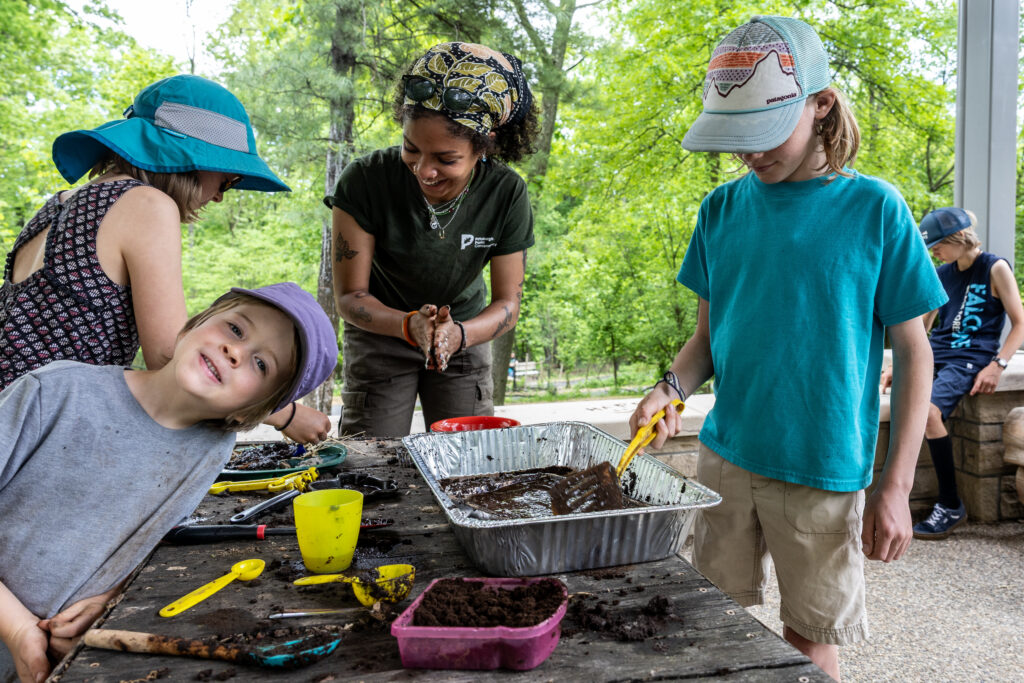 Parks Conservancy educators inspire children to explore and connect with nature through hands-on programs across the city, including the Outdoor Discovery Space & Sensory Nature Trail and the popular Mud Kitchen at the Frick Environmental Center.
One of the most meaningful shifts we’re seeing is how people think about investment in our parks. For many longtime supporters, their connection began with iconic spaces — places tied to personal history and memory.
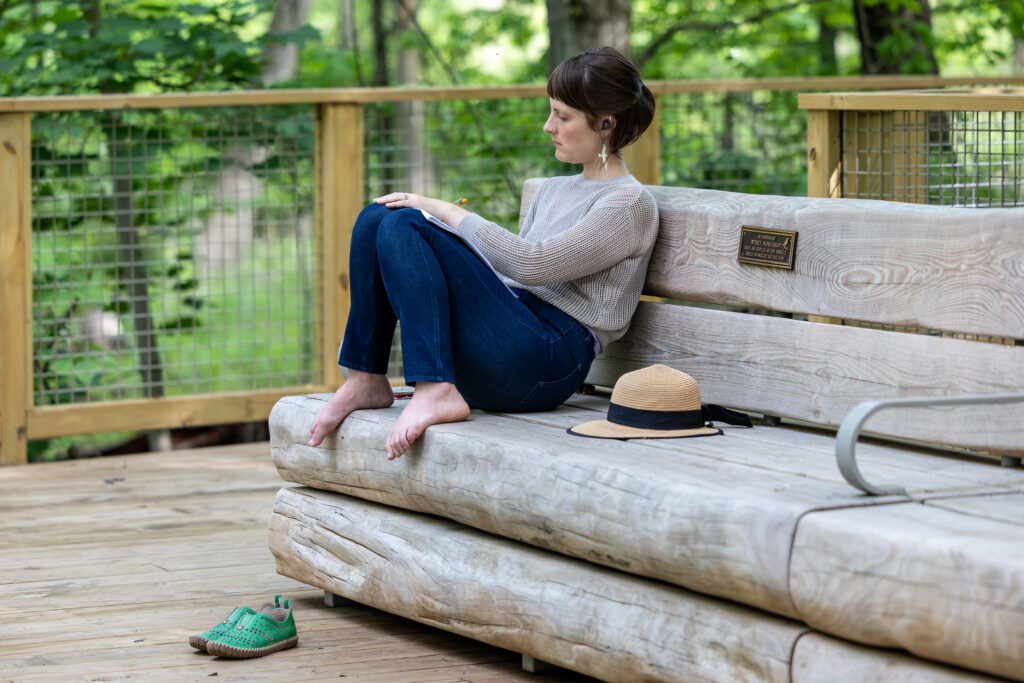 Parks offer spaces for reflection, relaxation, and moments of calm in the midst of everyday life.
Today, we’re seeing a growing willingness to look beyond those familiar landscapes and invest in parks across the city, including smaller, neighborhood spaces that are just as cherished by the communities around them: McKinley Park in Beltzhoover, August Wilson Park in the Hill District, Baxter Park in Homewood, and Fowler Park in the North Side.
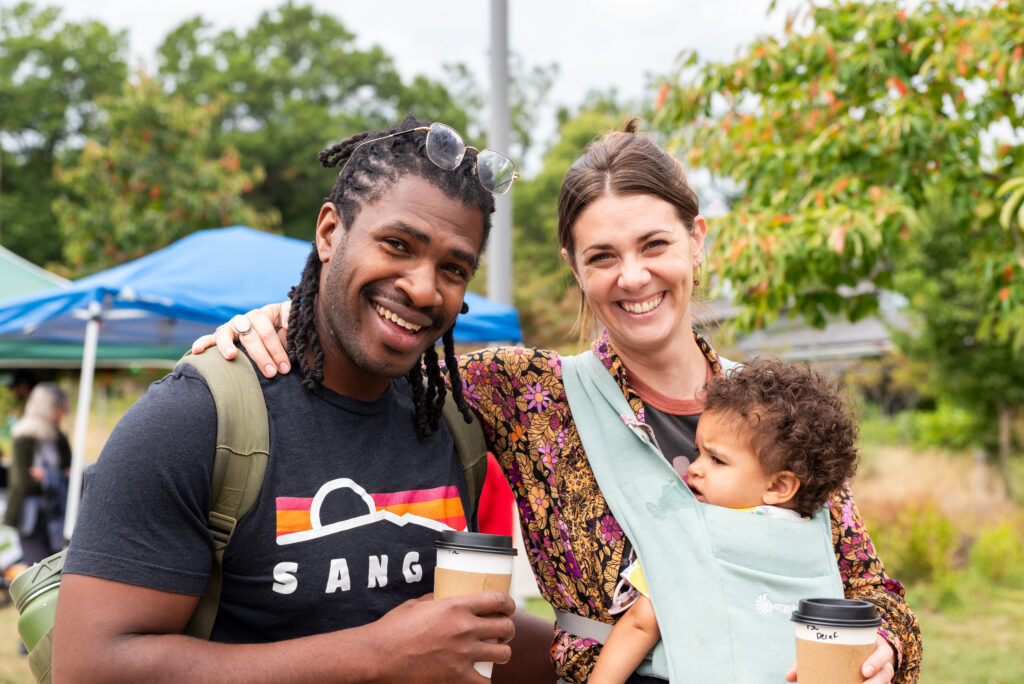 The Parks Conservancy hosts hundreds of free, family-friendly programs each year, connecting people of all ages with Pittsburgh’s parks across the city.
These parks may not be as visible as Highland, Frick, Schenley, or Riverview, but they are just as vital to their neighborhoods. They are where kids play after school, where families go for a casual picnic on a warm evening, and where community members see each other and experience the simple pleasure of co-existence.
By directing resources toward areas that historically have seen less investment, in partnership with the City of Pittsburgh, we are helping to create a stronger overall park system — to give every neighborhood access to the benefits that green space provides.
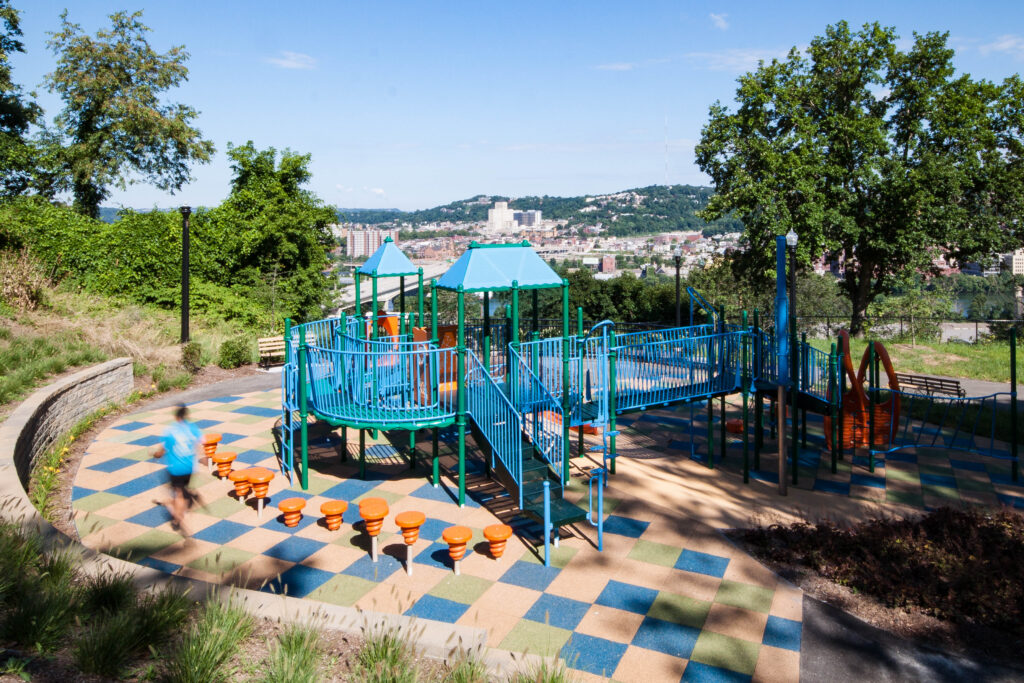 August Wilson Park, formerly Cliffside Park, was restored by the Pittsburgh Parks Conservancy in partnership with the City of Pittsburgh and the community. The revitalized Hill District park was renamed in honor of Pulitzer Prize-winning playwright and Pittsburgh native August Wilson.
Initiatives like accessible equipment, inclusive programs, and community-driven events are opening doors and removing barriers. But even more important is the feeling of belonging. Access isn’t just about infrastructure; it’s about creating a sense of home.
We are temporary caretakers and the choices we make today affect how future generations experience Pittsburgh’s parks. We all share nature. It belongs to no single person or group; it’s something we inherit, protect, and pass on. That makes parks special.
Quality of life isn’t just about what exists — it’s about experiencing it. And when it comes to parks, our goal is simple: to make sure everyone in Pittsburgh has that chance.