
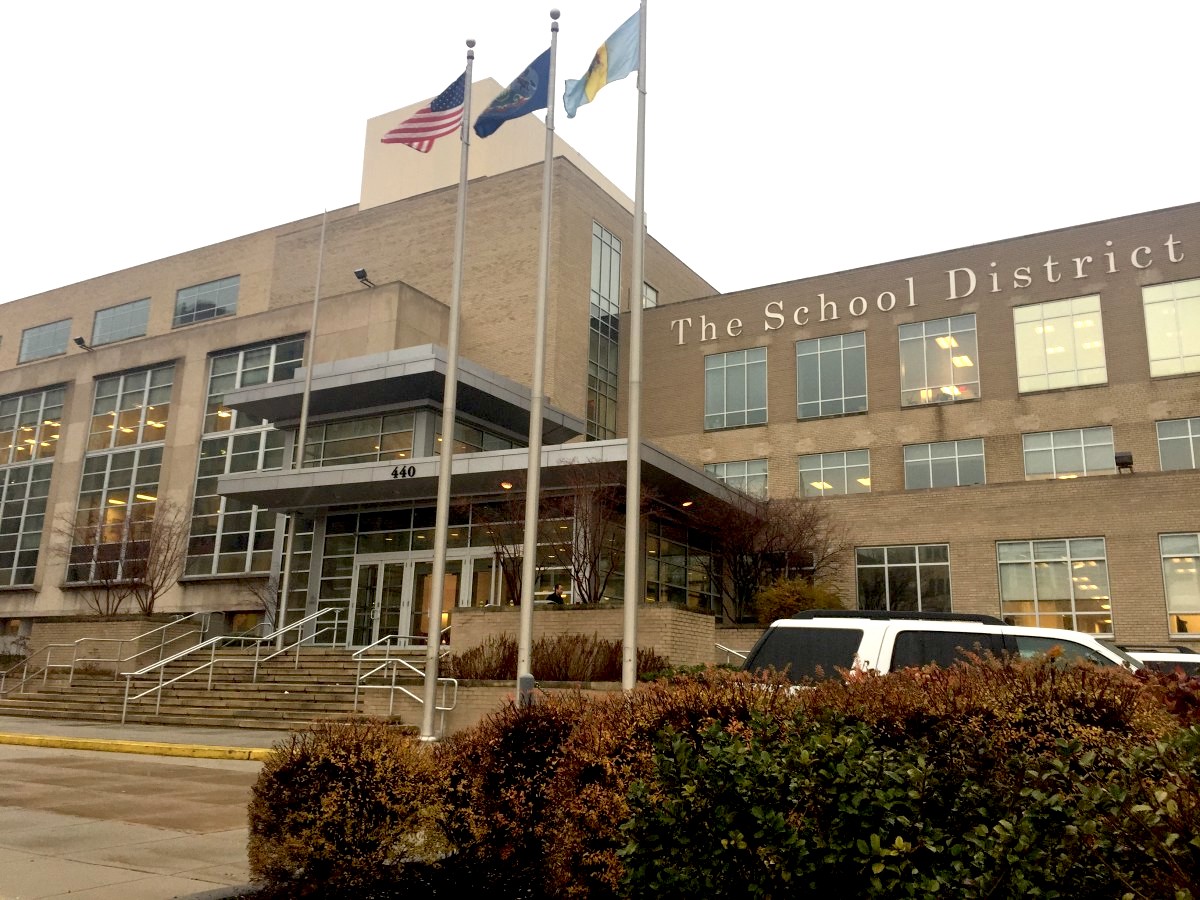
When we think about school closures or network/district restructuring, it’s easy to focus only on the physical buildings or the students who attended those schools. However, behind every change are students, families, teachers, and more who are heavily impacted by this restructuring.
Philadelphia is no stranger to restructuring its schools and the school district; in 2001, 45 “troubled” schools were turned over to the management of 7 different nonprofit and private organizations, as the state took over the School District of Philadelphia (SDP) that year. In 2012, a similar proposal landed on policymakers’ desks: a plan to address their millions-of-dollars deficit by closing more than 40 SDP schools. Now, as the 2026-27 school year begins to settle, families and students are rightfully anxious about new plans, that the SDP has developed to address the gaps within the educational system. One part of the recommendation to close or repurpose several schools that most, if not all, are located in North/Kensington and West Philadelphia.
The 17 schools that call for closures fall within several planning districts: 11 schools are located in North districts (Lower North, Lower Northeast, North Delaware, Upper Northwest), 5 schools are located in West districts (University Southwest, West/West Park, Lower Southwest). Only one school, Penn Treaty School in River Wards, is located in a district that has not had historically concerning SDOH data. Outlined below is a table highlighting the school and its corresponding district.

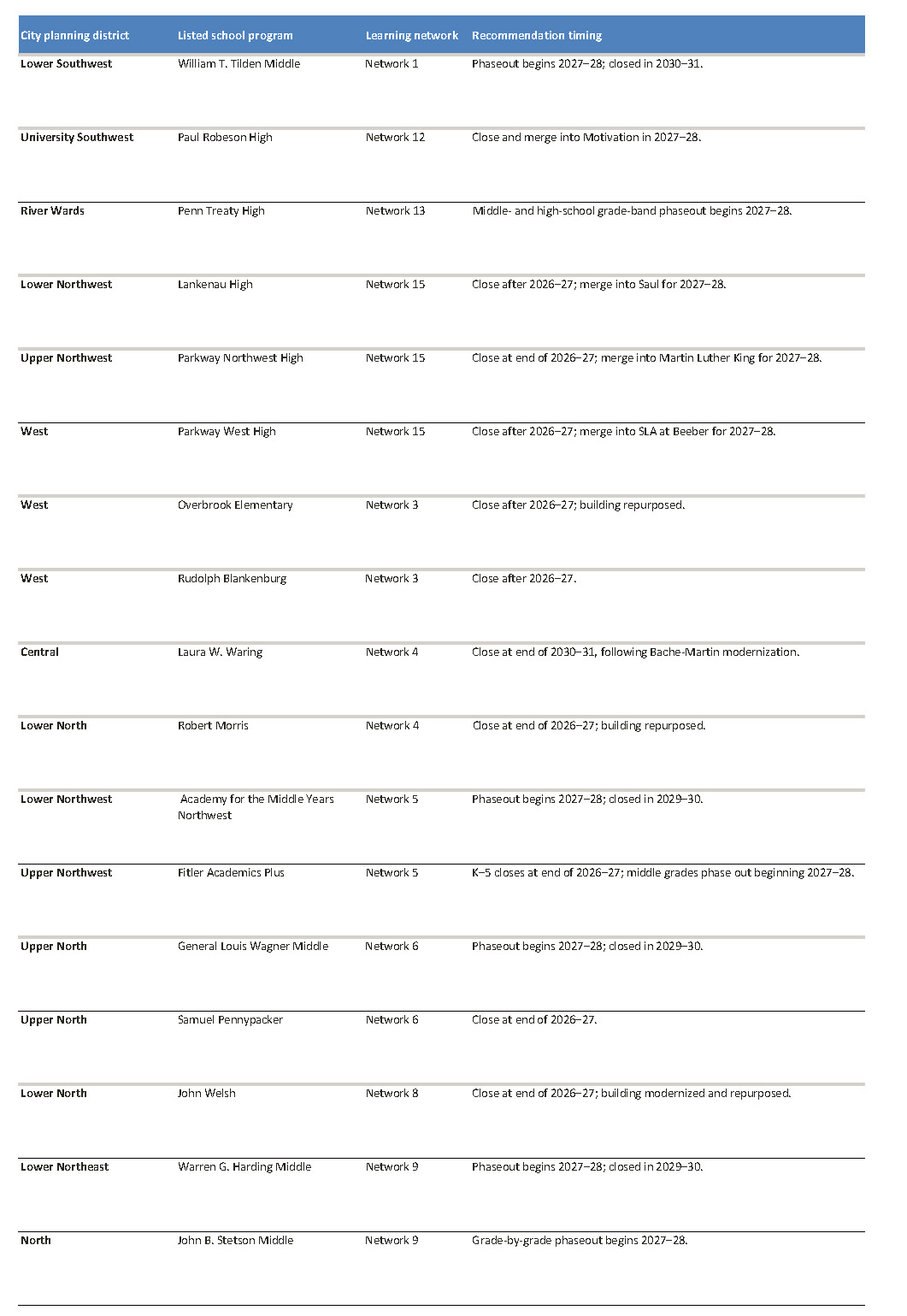
click on table to enlarge
The following table highlights the districts these schools are located in and the educational networks that exist within. A look at our dashboard, which highlights available data up until 2024, shows that Lower North, North and West districts all showcased higher social determinants of health (SDOH) data for indicators like poverty rate, unemployment, and the percentage of adults without a bachelor’s degree.
District Comparison – Poverty rates

District Comparison – Unemployment

District Comparison – % of Adults without a Bachelor’s Degree

These districts, along with others like University Southwest and Upper North, show how often the same geographic areas face challenges across multiple social and health indicators. These districts also have lower overall school achievement scores.
Looking through the lens
The tables below highlight the achievements across the associated learning districts in the ’18-’19 school year. As you can see a learning network within West has a relatively high achievement score; however, this shows how even with a portion of the district performing well, when other portions are not doing well, that average can bring the district down.



While these achievement score are from several years prior, analyzing SDOH indicator data alongside educational data can begin help identify what communities may face by this restructuring. Districts in communities already facing major social and health disadvantages are home to schools that are either operating in poor condition or closing because of those conditions, this can have a major affect on the students and families in the community. While we have to hold caution that the district and network data are not 100% associated, as all students within these schools may not all be residents of the community itself. Being aware that closing and repurposing schools within already vulnerable districts could force families to make major changes to continue providing the education their children previously received. For those who may not be able to make those changes, such as those represented in the SDOH data in our dashboard, their children can end up facing more consequences because of these closures, if not addressed properly.
To understand the disadvantages communities face, we must examine both existing conditions and the policies that may reinforce them. School restructuring should be assessed not only by what it changes on paper, but also by what it makes possible for students and families.
We discussed in our last (e)mpact series narrative how education, compared to other social determinants of health indicators, is the most in our control. Compared to other SDOH indicators like poverty or health insurance enrollment rates, education is one of the few indicators policymakers and the government can directly address. Additionally, education and educational attainment is a core social determinant of health (SDOH) as it drives s other major social and economic pillars of well-being. While Philadelphia is addressing its education concerns, these efforts don’t fully account for the people directly affected and the potential side effects of these changes. Understanding how these closures impact not only future attainment and achievement of students, but also the determinants and well-being of those community is something that needs to be considered.
While a quick geographic comparison can help identify questions for further reporting and community concern, it does not, by itself, establish what caused a school’s performance or demonstrate the effects a closure will have. To properly address what many Philadelphians are experiencing now and may face in the future, we must examine the systems and policies in place that may be perpetuating these conditions, especially in districts that have consistently shown poor performance in social and health indicator data over time.
In the next (e)mpact series analysis, we will begin to examine conditions and policies, and how changes in student enrollment and school catchment or district organization can influence school budgets, resource allocation, and even long-term planning and SDOHs in Philadelphia.