
The Scranton Area Community Foundation shifted its funding strategy to satisfy the evolving needs of nonprofit organizations across the region.
The foundation approved more than $1.7 million in grant investments to support nonprofits in Northeast Pennsylvania through its Community Support Initiative in 2026 — more than four times the spending of a typical year, officials said. The foundation also moved away from a twice-a-year grant cycle to a more flexible, year-round approach centered on responding to community needs.
Laura Ducceschi, the foundation’s president and CEO, said the change represents a long-term goal to empower nonprofit groups.
“We thought let’s shape a grant process that isn’t just a couple times a year, but really allows organizations to apply all throughout the year — not just for programmatic grants, but for grants that help sustain their operation to build infrastructure,” she said. “That’s going to continue this year, next year, and the year after that. We’re hoping that helps to build stable organizations in our community. Our board said we’re at the point where we’re going to dip more into the resources we have to be able to respond to the community. Our donors being generous is why we’re able to do this.”
The funding aims to address human services, health and behavioral health, food security, education, youth development, housing, arts and culture, animal welfare and other needs, foundation officials said.
“We took the time to do an inquiry process so (nonprofits) could give us an overview of what would be a transformative grant amount they could receive that would help them continue their important mission,” Ducceschi said. “We wanted to know their urgent needs and some of the challenges.”
Among the organizations receiving 2026 operational support were Day Nursery Association, The Arc of Northeastern Pennsylvania, United Neighborhood Centers of Northeastern Pennsylvania, NeighborWorks Northeastern Pennsylvania, NEPA Youth Shelter, Telespond Senior Services, Maternal and Family Health Services, and Indraloka Animal Sanctuary.
United Neighborhood Centers of Northeastern Pennsylvania will receive a $50,000 grant for three consecutive years, Ducceschi said.
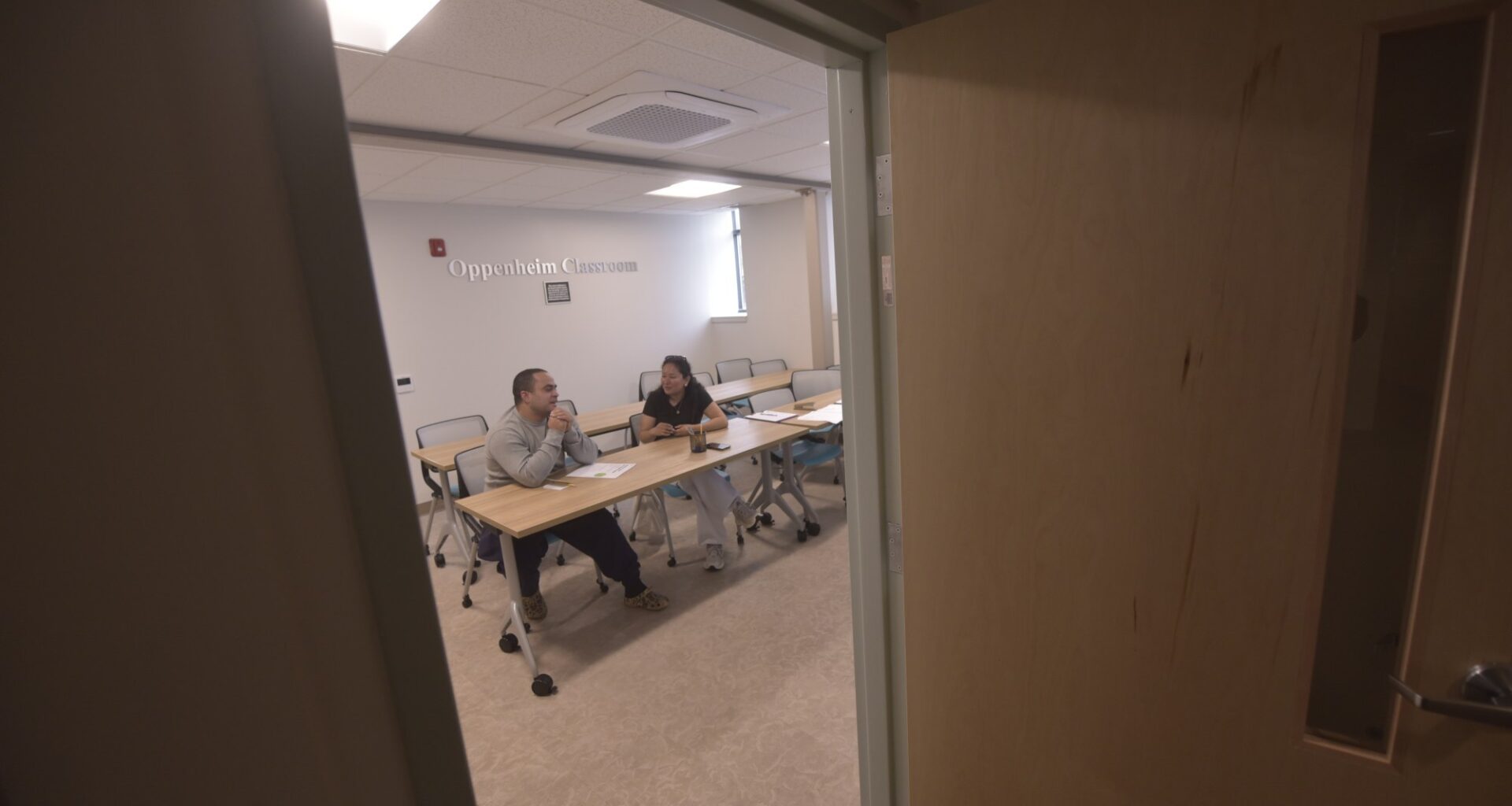
Terilynn Brechtel, chief operating officer for UNC of NEPA, stressed the grant will help the nonprofit keep partnering with other organizations to assist immigrants in the area.
“We work with a lot of individuals that often might find themselves in a situation, especially with the increase in ICE activity, where they’re feeling more uncertain about what the future holds,” she said. “This funding relief helped us collaborate with our partners to identify gaps in services or areas where individuals need financial support and allows us more flexibility in meeting the unique needs of clients. It’s helping us provide direct assistance to families who sometimes have to make tough choices between paying rent or pursuing a pathway to citizenship.
“Oftentimes, we’re working with individuals newer to the area who don’t necessarily have the resources needed for mainstream funding. If the primary breadwinner isn’t in the home when something happens, they’re able to maintain their rent and utilities until they find some stability. It’s really about leveraging each other’s resources and strengths.”
Organizations receiving support through programmatic grants included Big Brothers Big Sisters of Northeastern Pennsylvania, CHOP Out Hunger, Scranton Counseling Center, Immigrant and Refugee Communities of NEPA, The Wright Center for Community Health, Johnson College, Catholic Social Services of the Diocese of Scranton, and the Autism Society of Northeastern Pennsylvania.
As a way to use its assets to benefit the community, the foundation also began offering short-term bridge loans to help nonprofits access affordable capital when delayed funding creates cash-flow challenges, Ducceschi said. And, unlike a traditional grant, those funds are repaid to the foundation and can then be used again to support future community needs.
“We started to see nonprofits are borrowing money at rates that are higher than maybe they would need to be in some cases, so we started to issue loans that would save them thousands and thousands of dollars,” Ducceschi said.
When foundation officials noticed nonprofits were again starting to see a potential cut in governmental and other resources, they knew it was time to time action, Ducceschi said.
“Last year, we started noticing nonprofits were starting to see a potential cut in governmental, federal and other resources,” she said. “There was a lot of uncertainty, and they were still thinking about what that was going to look like. Over the years, we’ve seen legislative budget impasses and how that impacts organizations. We said we’re not going to wait until it happens, we’re going to be ready to respond and do what we can.”
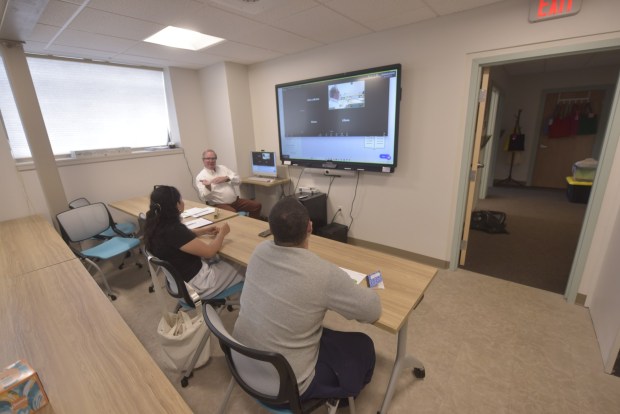 Michael McHale teaches an English as a Second Language class at United Neighborhood Centers of NEPA on Cedar Avenue in Scranton on Thursday, Oct. 1, 2026. Grant funding from the Scranton Area Community Foundation will help UNC collaborate with other organizations to assist immigrants in the area. (CHAD SEBRING/STAFF PHOTO)
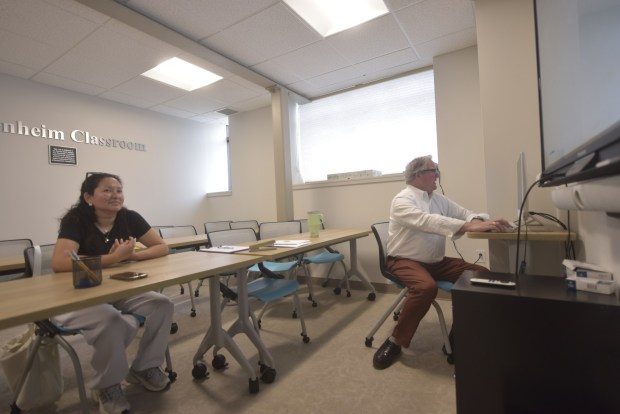 Michael McHale teaches an English as a Second Language class at United Neighborhood Centers of NEPA on Cedar Avenue in Scranton on Thursday, Oct. 1, 2026. Grant funding from the Scranton Area Community Foundation will help UNC collaborate with other organizations to assist immigrants in the area. (CHAD SEBRING/STAFF PHOTO)