
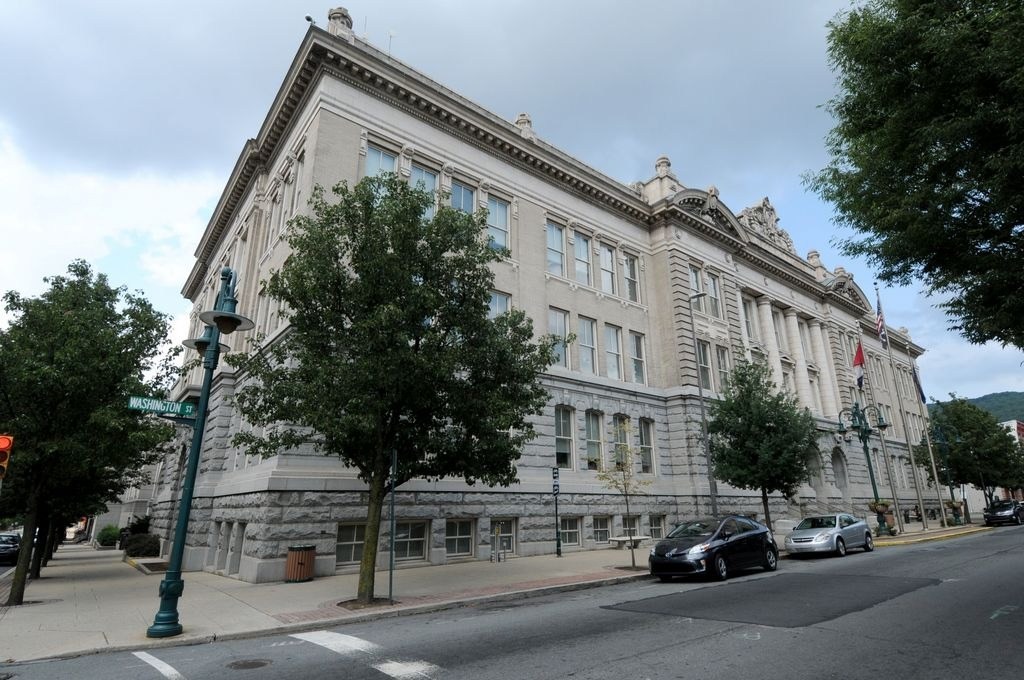
City Council has given the administration six months to determine the future of historic preservation, including whether to revive the Historical Architectural Review Board or establish a new oversight system.
Council voted unanimously Monday to continue a temporary process for reviewing alterations to properties in the city’s historic districts, but shortened the administration’s requested one-year extension to six months.
The decision followed a lengthy discussion about the inactive board, staffing changes and concerns about maintaining architectural standards in Reading’s historic neighborhoods.
The architectural review board, which traditionally reviewed proposed exterior alterations to buildings in locally designated historic districts, has no members.
Under the temporary process, city staff handles routine applications, administrators review other proposals and council considers larger projects and appeals. Consulting architects also assist with reviews.
City officials are working with the Pennsylvania Historical and Museum Commission to evaluate the city’s preservation regulations following a state review that identified deficiencies in the ordinance adopted in 1999.
The administration is considering whether to reconstitute the review board or establish a different advisory board under a revised ordinance.
Councilman Jaime Baez Jr. questioned the prolonged absence of an independent review board and expressed concern about concentrating preservation decisions within the administration.
“I just feel like it’s unchecked,” Baez said. “The HARB board was an independent board, and … the board being independent, I think made me feel more comfortable.”
Council President Donna Reed emphasized that the review board has not been formally eliminated.
“At this point in time, HARB isn’t dead; it’s vacant,” Reed said.
Reed, a former historic district property owner, said preservation protections were an important reason she purchased a home in one of the city’s designated districts.
She expressed concern that inappropriate replacement materials and alterations could gradually diminish the architectural character of historic neighborhoods.
“Historic preservation is part of economic development. It’s part of tourism,” Reed said.
She also questioned whether concentrating decisions among a small number of administrators could jeopardize preservation standards.
“I think if we bring everything to, like, one or two people, despite good intentions, that we’re playing with fire in terms of historic preservation,” she said.
Deputy Community Development Director Patricia Vasquez said the administration is pursuing a state grant to help evaluate and revise the preservation ordinance.
City Managing Director Jack Gombach said the city must address deficiencies in the existing ordinance before determining the appropriate structure for future reviews. The administration is pursuing technical assistance and exploring ways to maintain services while controlling costs.
Gombach also confirmed that the administration does not plan to replace the historic preservation specialist and preservation clerk positions. Instead, their responsibilities would be absorbed by other Community Development Department personnel.
Councilman Raymond Baker questioned whether that approach would adequately address previously identified problems with preservation reviews.
Reading’s historic preservation ordinance establishes minimum professional qualifications for the city’s preservation officer, requiring a graduate degree in history, architectural history or a closely related field, or a bachelor’s degree in one of those fields combined with at least two years of professional experience.
As a Certified Local Government under the Pennsylvania Historical and Museum Commission’s historic preservation program, Reading also must maintain a qualified preservation board, provide staff support and meet ongoing preservation standards.
Council Solicitor Michael Gombar, however, cautioned against hastily reconstituting a board under an ordinance the state has identified as deficient.
Councilman O. Christopher Miller urged officials to better inform historic district property owners about current review procedures and anticipated changes, suggesting the city post information on its website or social media.
Miller also proposed reducing the extension to six months, allowing the administration to continue processing applications while giving council an earlier opportunity to assess progress.