
Students are finding physical outlets to unplug from their devices and plug into community.
Since 2020, higher education has become increasingly reliant on technology as an academic tool. Nationwide, 72% of college students have felt occasionally overwhelmed by technology, and nearly half feel more isolated when they’re online. Yet, 61% of college students have reported feeling pressure to stay connected to their digital devices, whether it’s for academic or social use.
At Pitt, many students are finding ways to balance their overwhelming screen time with in-person activities, in and out of the classroom.
Allison Bennett Dyche, a teaching professor in the department of English, assigned her “ENGWRT 0550: Fundamentals of News Reporting” class a hands-on, rather than digital, final project — creating a zine about the Cathedral of Learning. The students positively responded to this project, according to Dyche, who believes instructors should provide more tactile assignments to students.
“Students are hungry for getting to do projects that are different and getting to do hands-on stuff,” Dyche said. “Anytime you can get students working in a collaborative environment, where they’re actually talking to each other in person and not via screen, is really important. If you’re going to be in person, make it in person. Take advantage of that.”
Instructors at Pitt are working to understand the best pedagogical applications of technology in the classroom, according to Michael Arenth, interim executive director of the University Center for Teaching and Learning.
“In general, educational technology should only be applied when it enhances teaching and when it is based in sound pedagogy,” Arenth said. “We strongly discourage allowing technology to determine an instructor’s teaching strategy. That philosophy will certainly still apply as AI plays a growing role in teaching and learning.”
Technology fatigue occurs when an individual has excessive exposure to technology, which can lead to feelings of exhaustion and anxiety. Jules Nissley, a first-year nursing major, has noticed an uptick in their tech fatigue since starting college this fall.
“Everything’s not so structured like it was in high school,” Nissley said. “I find myself escaping into technology as a way to pass time or to not engage with what I need to be engaging with. I can feel that making my brain fogged. I’m not quite as focused as I should be.”
To find real-life community and get away from their devices, Nissley joined WPTS Radio, the University’s student-operated radio station. They also joined Club Running at Pitt, a hobby that helps them go beyond their screens and feel connected with the world.
“I’ve been running for years. I got into it to de-stress and as something for my mental health,” Nissley said. ”There’s a social aspect of [running], and that’s why I’ve been getting into it [more] in college. It really helps having friends that you know you’re going to be with every day at 5:30.”
Hedalis Henriquez Lopez, a junior rehabilitation science major, also participates in Pitt’s Club Running and Club Triathlon at Pitt as a way to destress. She tries to restrict her screen time and increase her in-person hobbies.
“I have a limit timer for how much I can be on social media, because I like to be doing ‘real life’ things too,” Henriquez Lopez said. “When it comes to studies and college, because it can be really stressful, [sports] are a good way to take my mind away from stress — especially when I stay locked up for seven hours straight studying.”
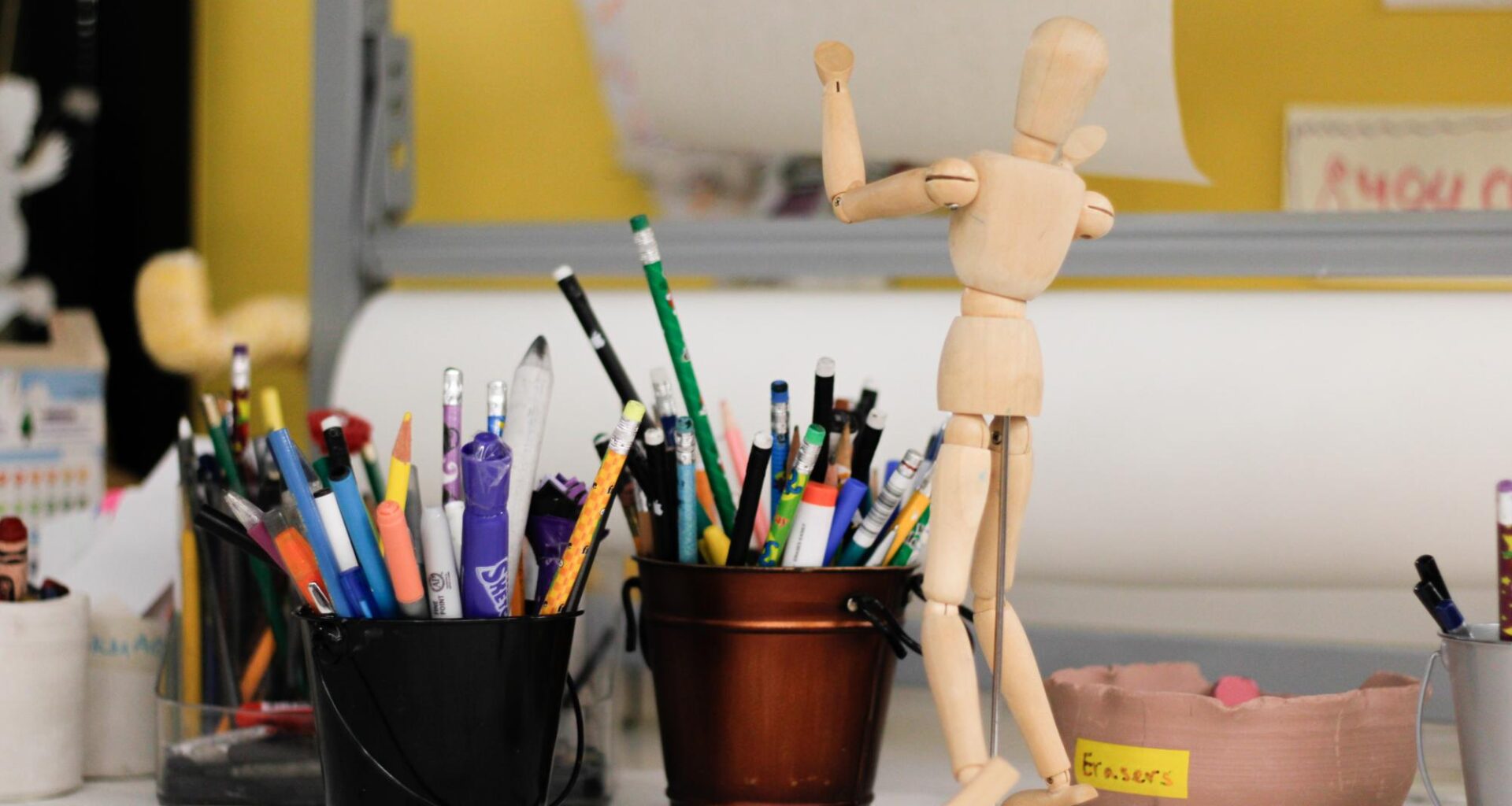
Sports organizations aren’t the only outlet available for students who want to unplug. The University’s Center for Creativity holds community-centered arts events and resources that are open to all Pitt students.
Sydney DuBose, a C4C assistant, said she has seen students build a community beyond their phones at the center.
“The Center for Creativity, with there being less of a tech element, allows you to be more present, which makes you open to having different interactions with people in your community,” DuBose said.
According to DuBose, high usage of phones can lead to a lack of awareness within communities.
“Part of community comes with people being interested outside their own lives,” DuBose said. “With your phone, it’s really easy to be sucked into my phone and what I’m doing on there versus, what does my neighbor need? What does my friend need? What does a stranger need?”
The C4C offers a place for students to de-stress from a number of stressors, including their classes, according to DuBose.
“You could do really poorly on a test or exam and come in here to forget about it,” DuBose said. “[You] have time to recenter and take out some of those emotions through a creative process. It’s been very helpful for people to have tools so that they’re able to still relieve stress in a way that is accessible.”
Artistic, in-person outlets at Pitt extend beyond the C4C. Victoria Murphy, a senior theater arts and political science major, is the president of The Performance Collaborative, which hosts theater workshops, staged readings and student-organized productions.
The Performance Collaborative and other theater organizations thrive through in-person connection, according to Murphy.
“Being creative in a room full of other people really gets ideas flowing like it wouldn’t online,” Murphy said. “Theater is all about the live performance, so being in-person and being present with one another, turning off your phone during a show, it’s a really important thing.”
Active Minds, a mental health student organization, focuses on real-life community building and spreading awareness about mental health, according to Stephanie Yau, Active Minds’ president and a senior neuroscience and psychology major. Yau thinks being aware of what you consume online is especially important for college students’ mental wellness.
“College is such a stressful time. On top of that, now everything’s online.” Yau said. “When you’re online, there’s so much information thrown at you at once. It makes it really hard for your brain to process half of the stuff that’s going on. That’s not a great headspace to be in.”
Despite tech fatigue and the rise of academic and personal technology use, students are finding ways to connect in real life and recognize the importance of in-person connection, according to Nissley.
“There’s so many types of communication that aren’t conveyed through technology,” Nissley said. “Through a phone, you can hear tone of voice, you can have a conversation, but body language, facial expressions and physical contact are things that you can’t replace. They’re essential things, parts of being human. They’re irreplaceable by technology.”