
For Scranton resident Katie Ezdebski, trips to the grocery store look a lot different these days.
Each shopping excursion takes far more preparation than in years past: What can she afford to buy? What meals won’t cost too much to make? Which stores have the best prices?
Grocery costs are rising amid President Donald Trump’s tariffs and the war in Iran. Cash-strapped Pennsylvanians say surging prices are leaving their families reeling.
“As far as how I shop, it’s led it to become much more involved as far as planning before you go to the store,” said Ezdebski, the mother of an 11th grader and the full-time caregiver for her husband, who has had several strokes and has early-onset dementia. “The process of making sure my budget’s going to fit what I need, and having that list and sticking to that list where, you know, three or four years ago I didn’t really do that as much.”
Ezdebski was one of a group of Pennsylvanians who shared their experiences grappling with rising food costs during an Oct. 20 forum organized by Affordable Pennsylvania, an organization that works to educate the public about how federal policy affects everyday life. They spoke of the daily stressors they face trying to feed their families.
“I would say maybe five to seven years ago, with $100 I would walk out of the store feeling OK; I did pretty well,” said Doris Gray, who lives in Easton with her husband and grandson and is a healthcare worker in Bethlehem. “But now I’m just walking out of the store with maybe one bag, one and a half bags of groceries, and it’s just ridiculous now. It really is — and it’s scary because it makes me feel like, OK, if it’s like this now, what’s going to happen next year? What’s going to happen a few months from now? It’s getting really bad.”
Aidalis Martinez, a stay-at-home mom from Bethlehem, agreed: “$100 gets you absolutely nothing nowadays.”
“How are we supposed to get the vegetables and the fruits and the meat and the basic necessities, eggs, that we need?” Martinez asked. “You have the prices going crazy, and then on top of that, you have recalls going crazy, and I’m just tired. I’m tired of wondering if I’m feeding my family correctly, if I can feed my family correctly.”
Rick Boyko, a retired construction worker who financially supports his daughter and grandson, both of whom live with him, tries to cut costs by growing vegetables in his garden. While that certainly helps, he said, he can’t avoid the rising prices at the grocery store.
“I always shop the discount rack before I go to the regular part of the store,” Boyko said. “So if I can save a dollar here or a dollar there, I can add something extra to the budget. But it’s difficult. It’s difficult when you’re feeding yourself, let alone other family members.”
Pennsylvanians have had to pay an extra $5,100 for goods and services during Trump’s second term, including an additional $310 for groceries, according to an October fact sheet published by the Democratic members of the congressional Joint Economic Committee. One in seven Pennsylvanians face food insecurity, according to the organization Feeding Pennsylvania.
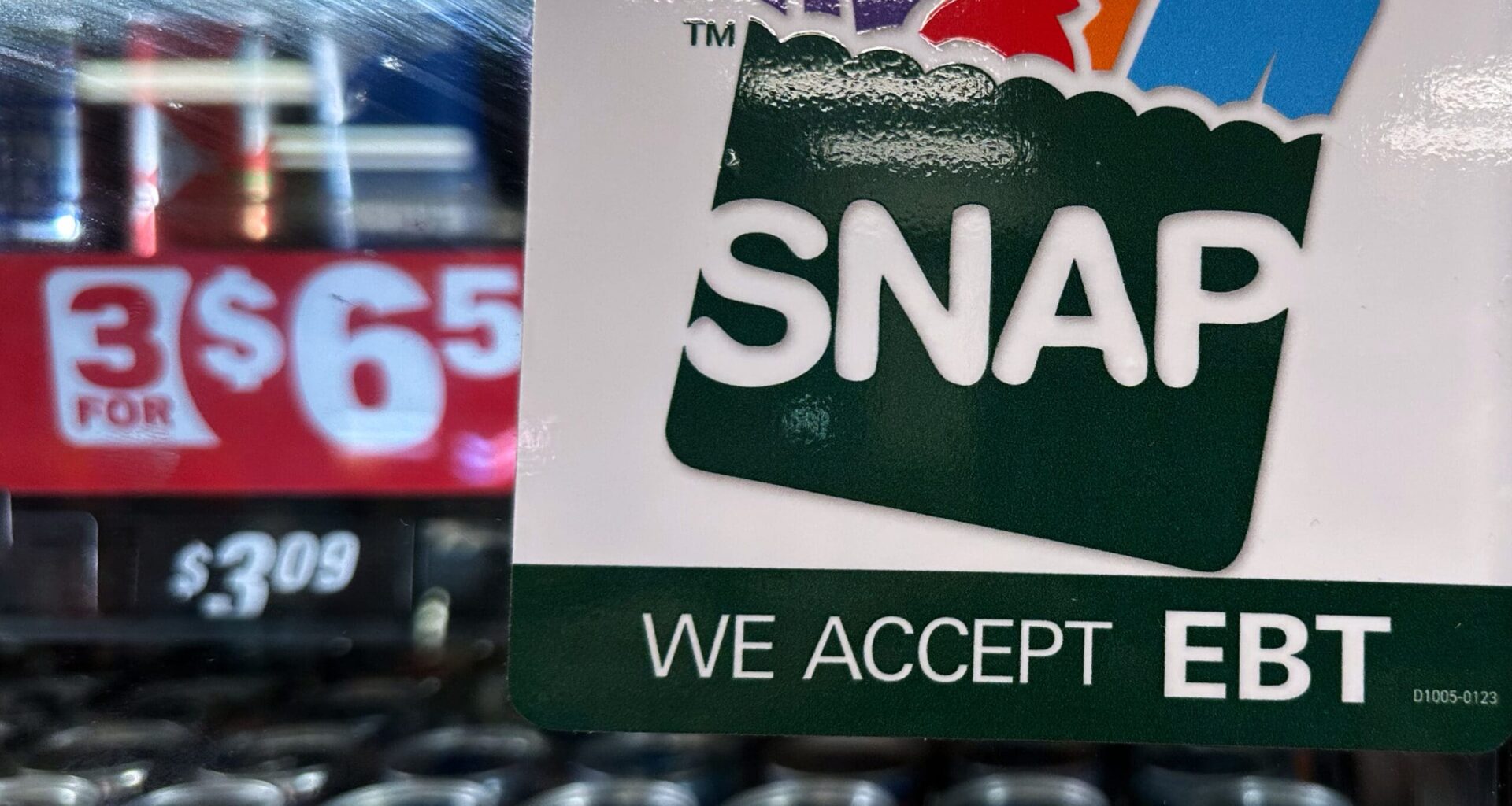
In 2025, congressional Republicans passed and President Donald Trump signed the One Big Beautiful Bill Act, a tax and spending bill that included cuts to safety net programs. According to a Center on Budget and Policy Priorities analysis updated in September 2026, 235,748 Pennsylvanians lost benefits provided by the Supplemental Nutrition Assistance Program, or SNAP, between July 2025 and August 2026. As of September, according to the Pennsylvania Department of Human Services, about 1.7 million Pennsylvanians, including more than 650,000 children, were receiving federal food assistance.
Rising grocery prices are changing how Americans shop and eat nationwide, according to a survey published this month by the polling group Navigator.
Of those surveyed, 78% said food prices were having the “greatest impact” on their monthly budgets, and 38% said they have bought less meat, fresh produce or other higher-priced foods in the past year. One respondent in four skipped meals or reduced their portion sizes, and 20% reported relying on food banks, family members or other community resources.
“This isn’t just happening out of nowhere,” said Rachele Fortier, executive director of Affordable Pennsylvania, at the forum on Oct. 20. “Our policymakers have made decisions that are increasing the cost of our food, particularly when it comes to tariffs.”
Forum participants said those who hold power have no idea what it’s like to struggle to pay for food.
“Everybody should be aware that a lot of this price gouging and price increases is directly related to the people that are in charge of our government right now,” Boyko said. “They’re all very wealthy, and this doesn’t affect them one least bit. I don’t believe most of them do any grocery shopping at all. They have people that do that for them.”
As the days turn colder and the winter holidays draw nearer, Martinez said, she’s grateful that her local Boys and Girls Club distributes free turkeys. That way, she explained, she’ll be able to prepare her signature pavochón, a Puerto Rican roast turkey she makes for Thanksgiving and Christmas.
Martinez said she hopes life will become less stressful before long. She’s trying to find work, but she worries that, once employed, she’d lose the SNAP benefits she relies on to feed her family and that her salary wouldn’t cover grocery expenses. Other forum participants said that they earn slightly too much to qualify to receive SNAP, but that the assistance would be welcome because they don’t earn enough money to cover the cost of groceries.
“I think we should all be mindful about who we allow to run and be mindful of the choices that we make and the people that are supposed to be taking care of us,” Martinez said. “And it’s very clear that the people that are currently in office are not caring about the people like you and me.”