
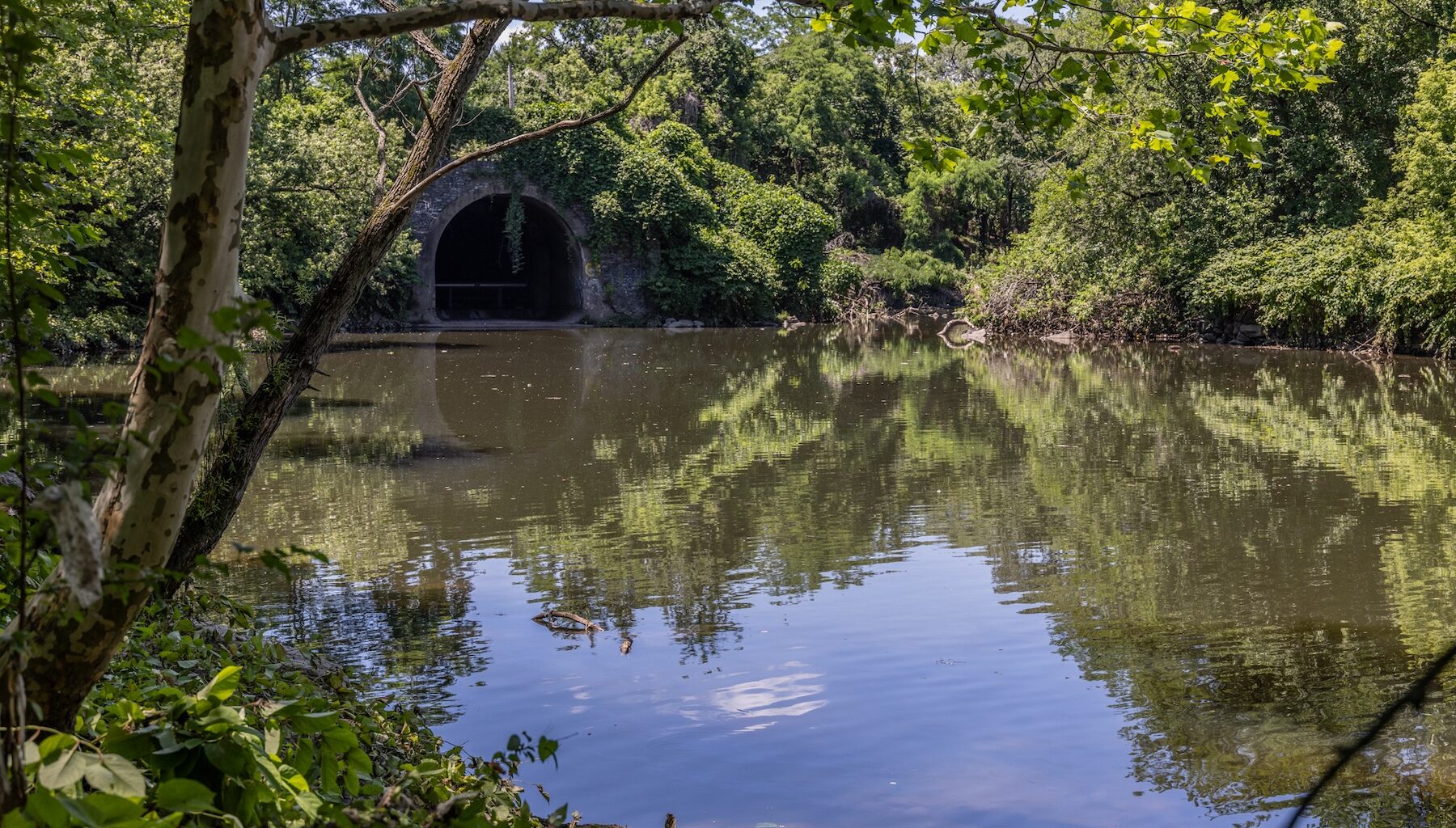
Upgrading aging infrastructure
The potential tunnel project wouldn’t be complete for at least another decade, and it’s expensive. Abrams said though the planning study is advancing, the potential project is far from having a completed design or cost estimate.
However, in Washington, D.C, a 5.5-mile tunnel currently under construction, as part of a system of tunnels, to reduce combined sewer overflows in the Potomac River costs $819 million for the primary design-build contract alone.
Philadelphia residents like Tina Ridgeway are concerned a project of this scale would impact water bills.
“Everything the water department does, they always add on the little taxes to everyone,” she said. “It’s already hard to live. Everything’s expensive as it is.”
Abrams said meeting their obligations while keeping bills affordable is one of the biggest challenges the water department has to grapple with. The U.S. needs at least $630 billion in wastewater and stormwater infrastructure improvements over the next 20 years, according to the EPA.
“Rates have increased, we’re not making a profit, we only request the amount of money that it takes to operate the facility and pay debt service to finance our capital program,” he said. “But, as we have more and more responsibilities, the need to reinvest in aging infrastructure, balancing all of that can be a challenge.”
Environmentalists like Masur say the tunnel could be a good solution. In cities from Milwaukee to Chicago, deep tunnel systems have reduced millions of gallons of combined sewer overflows.
Last year, the Chicago River opened to swimming for the first time in 100 years. The city estimates its tunnel system has reduced combined sewer overflows by 85%. Still, the system isn’t perfect. This year’s Chicago River Swim was canceled because of severe weather and the likelihood of a combined sewer overflow event.
Masur argues Philadelphia is moving at a slower rate than other major cities, and said regulations aren’t strict enough.
The city contends it’s held back by a number of challenges, such as the densely built landscape of Philadelphia, the length of time it takes to build projects, and juggling other demands like removing lead pipes and filtering drinking water.
A large portion of combined sewer overflows in Philadelphia are isolated to 10 of the city’s more than 160 outfalls, according to PennEnvironment. Masur said a more surgical approach focused on those select outfalls would make a significant difference.
“Philadelphians, we’re all attached to our waterways. We love the Delaware River. We love to walk or ride our bikes by Boathouse Row, or walk along Cobbs Creek or the Frankford Creek,” he said. “I think more people would want to swim, fish and boat on them if they felt the water was cleaner and safer.”