
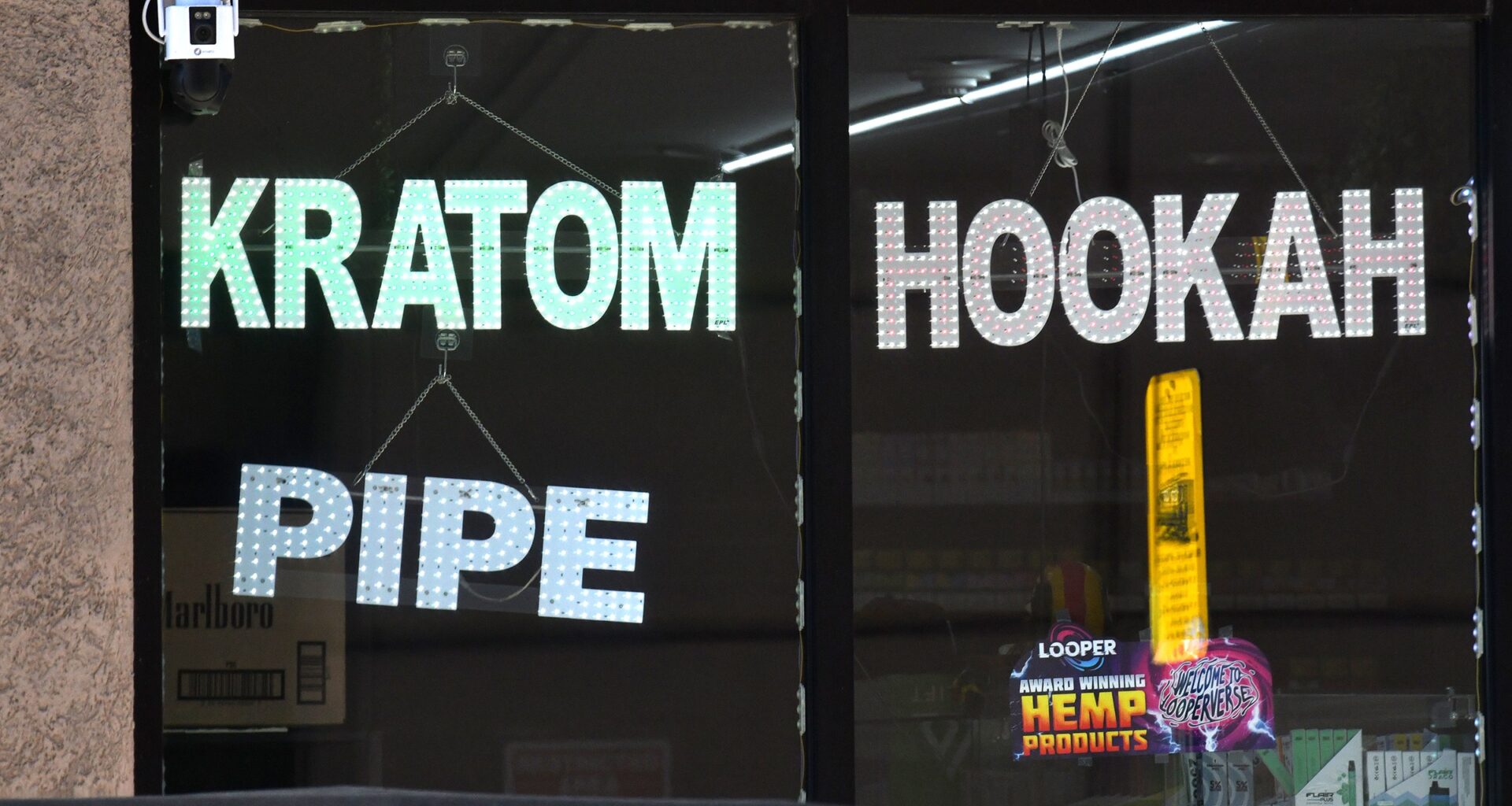
After six months of waiting, Scranton City Council passed a ban on minors using kratom and its synthetic derivatives but did not outlaw it for adults.
That’s because council hopes the state instead enacts a pending bill outlawing kratom that would make a council ordinance moot, said Councilman Patrick Flynn, who has been a leading proponent of the city cracking down on kratom substances.
Council in April introduced two companion pieces of legislation amounting to a ban on kratom and its offshoots. That action came in the form two ordinances, one involving adults and the other dealing with minors. But council tabled both ordinances for further review until officials were confident the legislation could avoid or withstand any potential legal challenges.
At their weekly meeting Tuesday, Oct. 20, council members voted 5-0 — with Flynn, President Tom Schuster, Mark McAndrew, Sean McAndrew and Jessica Rothchild all in favor — of untabling the kratom ordinance regarding juveniles, amending it in certain areas, and adopting it.
The amendments included specifying that a minor is a person under 18 years of age, removing penalties for possession of the products and including language that passage of a state ban would render the city action moot, Flynn said.
“We had more information on the issues with the youth,” Flynn said in an interview about why only the kratom ordinance dealing with juveniles was untabled and adopted. “Just the fact that you could be a minor and walk into any gas station and buy any of this was far more pressing and concerning to us” than adult use, Flynn said.
Council now hopes the state Legislature would pass the pending kratom bill before the end of the current legislative session a few months from now.
“We felt that would be better addressed by the state,” Flynn said of an adult ban.
Mayor Paige Cognetti said her solicitor would review the kratom ordinance that council amended and adopted, to ensure it is doable and enforceable and that it’s something the mayor should sign.
“Anything that we could responsibly do as a municipality within our capacity, in terms of police and code enforcement, we certainly want to do,” Cognetti said. “We don’t want these substances sold to minors. A municipality, however, needs to make sure that whatever we’re doing is within the bounds of what a municipality has the ability to regulate.”
Mayoral options regarding legislation include signing it into law, or vetoing it, or not signing it, such that it would take effect after a certain period of time without a mayoral signature. A veto could be overridden by at least four votes of council members, also called a supermajority of the council.
If the state kratom bill dies on the vine in Harrisburg, what council might do with the adult kratom ordinance remains unclear.
The kratom legislation stemmed from April 6, when Schuster, Flynn, the McAndrews and Lackawanna County District Attorney Brian Gallagher held a media event at the Lackawanna County Courthouse announcing that council intends to prohibit in the city the sale, possession, distribution and manufacturing of kratom and its derivatives.
Council on April 7 then voted 4-1 to introduce a pair of companion ordinances regarding a kratom ban drafted by council without administration input. Rothchild cast the lone dissent at that time. Rothchild had said her council colleagues kept her and the administration out of the loop, as no other municipalities in the state had enacted a townwide kratom ban, and bans that do exist involve synthetic versions. She thought the city legislation should more closely mirror the state bills and she questioned how a ban would be enforced.
Council advanced these two ordinances the next week, in the same 4-1 vote. Rothchild’s motions to table for review died for lack of seconds.
On April 28, council did then table the kratom ban for further review. In the summer, council members had reported progress in working with the administration on continuing to refine these ordinances.
A botanical native to Southeast Asia, kratom and synthetic derivative products are sold in stores in forms that include vapes, powders and capsules. The substance is legal in Pennsylvania and is commonly used to treat pain, coughing, diarrhea, anxiety and depression, opioid use disorder and opioid withdrawal. It was not approved for medical use by the U.S. Food and Drug Administration.
The kratom ban proposal drew both support and opposition from members of the public. While some residents applauded Flynn and council for taking a proactive step, others opposed to a ban said they rely on the kratom products for pain relief and other health reasons. Generally, they support banning the synthetic forms, and use by minors, but not the pure-leaf form.