
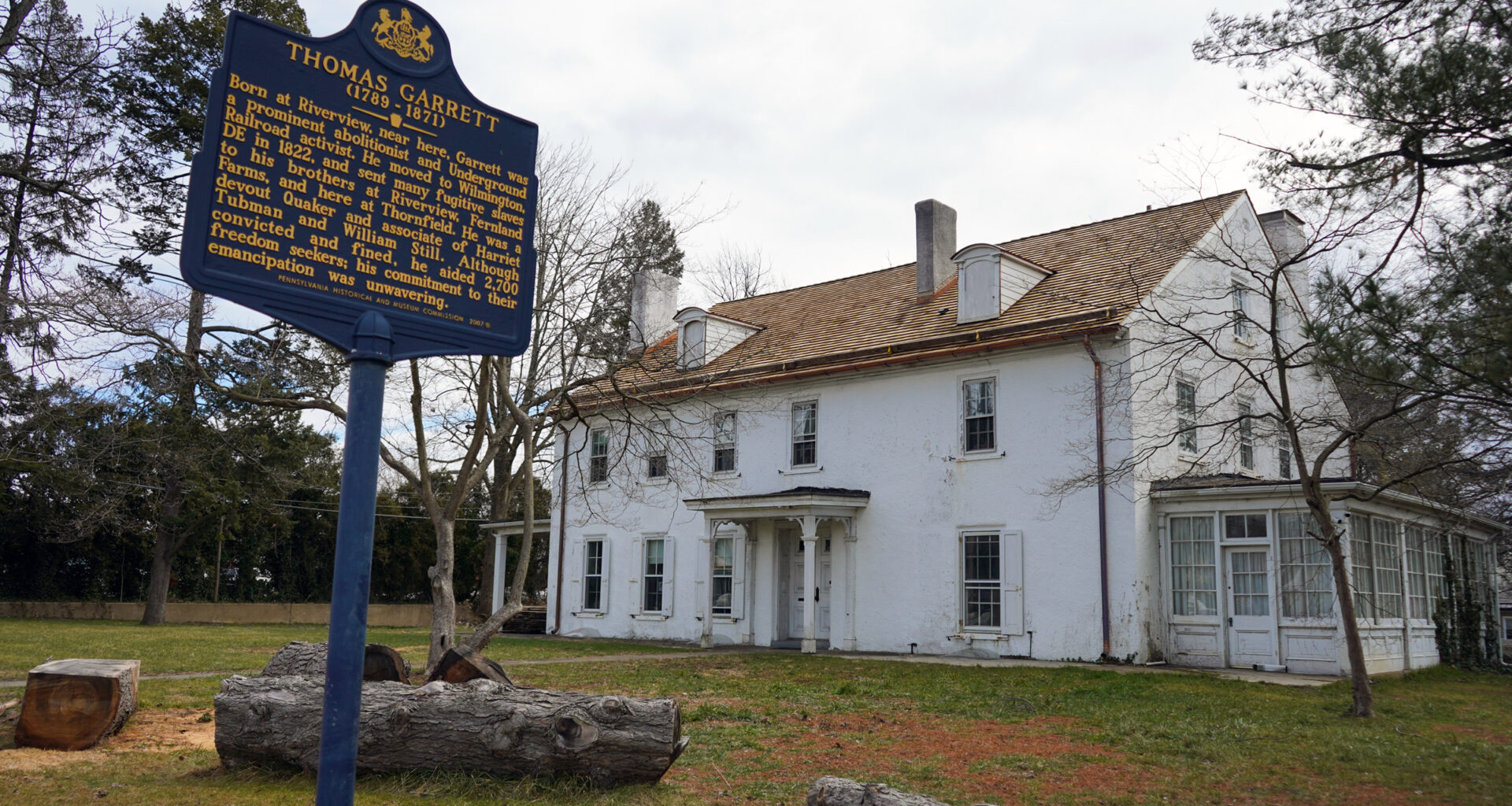
“I’d say currently, what little signage there is sort of focuses on the white conductors [of the Underground Railroad], which of course are an important part of that story,” Everts said. “But I think, working with the Historic Commission, we’d like to see future signage kind of focus on the literally hundreds of Black folks who came through these sites and see their stories told.”
Everts acknowledged that the tour itself also centers on the story of the white conductor, but he added that he sees value in that perspective, because it serves as a counterargument to the false narrative that the institution of slavery and the coinciding racist beliefs were simply a product of the time.
“I think this is an important part of the story and history of Upper Darby. And it was a story that was largely hidden, despite the efforts of some of the descendants of the abolitionists and others to make it better known,” he said.
Robert Seeley, a descendant of the Garretts who has been studying this part of his family’s history for quite some time, has been working with the Historic Commission in an expert role. And even though the Garrett family story is from the 19th century, it has largely maintained its relevance today, according to Everts.
“You can trace some of the unresolved and unreconciled issues from slavery to segregation to the killings of George Floyd, Breonna Taylor, and others by people in positions of authority. I think it’s also a story of perseverance,” Everts said. “And, importantly, it’s also a story of allyship.”
That said, the Historic Commission sees the route as an opportunity to center Black history in Upper Darby. “And to that point, the tour is kind of a start rather than an end,” Everts said.
A downloadable trail map can be found on the township’s website. An audio guide is also on the way.
“It’s a project that’s just going to keep growing and growing and getting refined and getting better,” Keffer said.