
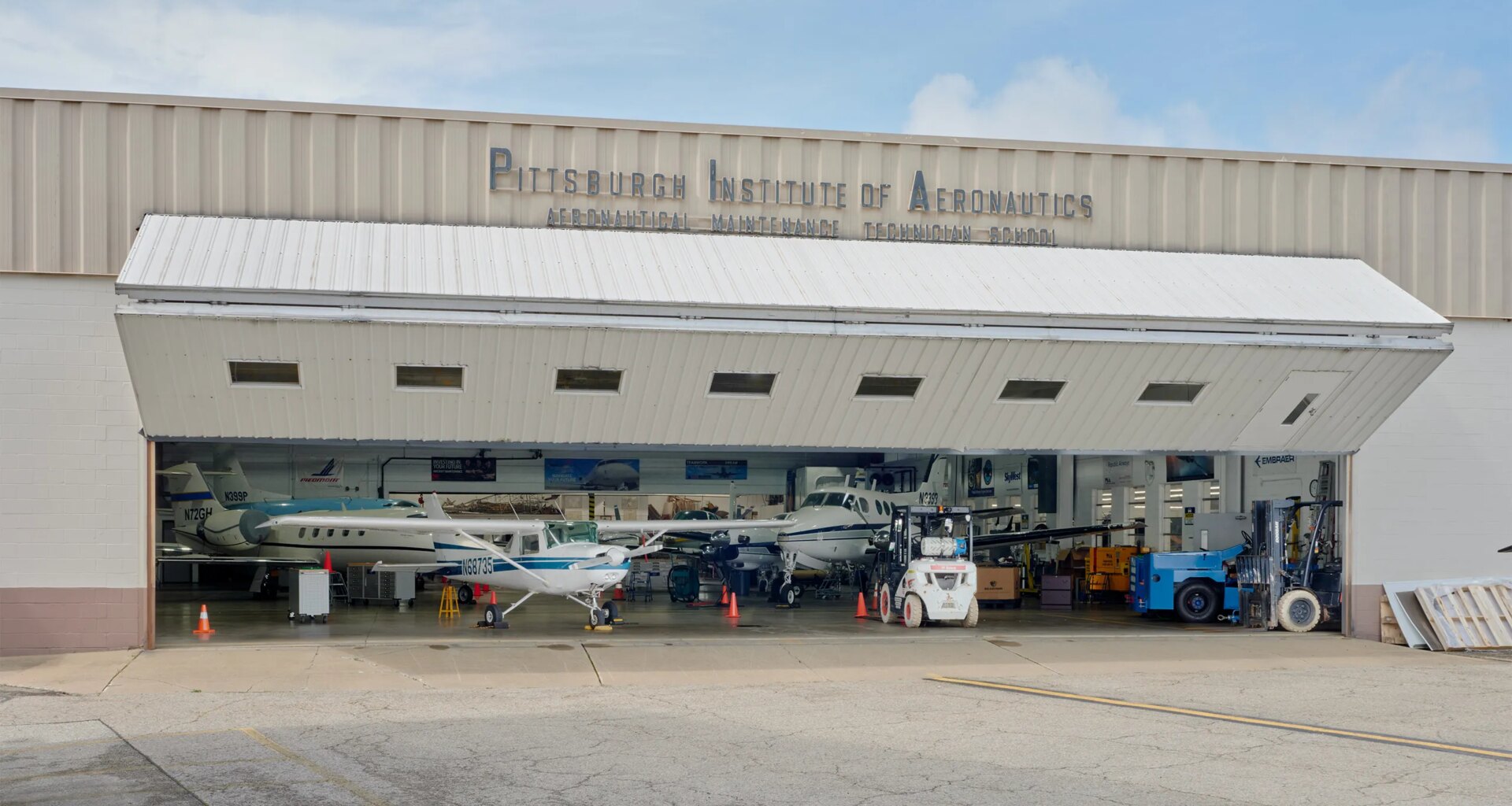
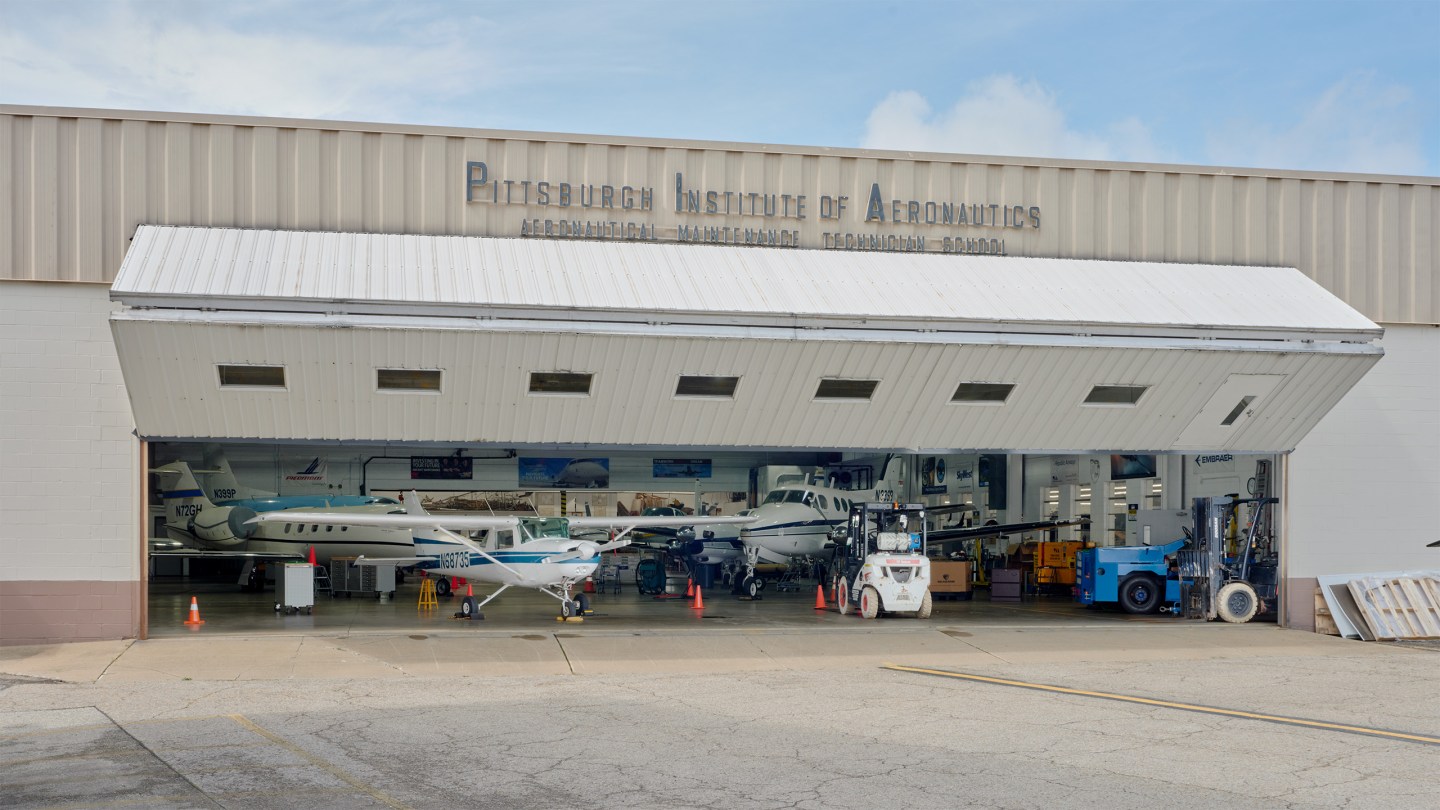
One of the US’s most prestigious trade schools is setting the bar high – at approximately 35,000 feet. We visit the American institute to see how it ensures its graduates are ready for success.
“This flight has been delayed due to maintenance.” It’s among a frequent flyer’s least favourite announcements – and a shortage of technicians could make it even more familiar. It’s a workforce as crucial to safe aviation as pilots but there aren’t enough of them. McKinsey estimates that the global shortfall could reach about 22,000 by the end of 2026 and almost triple by 2029. But one school in western Pennsylvania is working to close the gap.
In a market where employers are short of technicians, the selling point of the Pittsburgh Institute of Aeronautics (PIA) is rigour. A trade school can’t cut corners. “What we do here is just too important not to reinforce the integrity of the education,” says Phil Klein, PIA’s vice-president of education. “When I’m 35,000 feet in the air, I want to know that the people who worked on that aircraft are highly competent and did their job correctly.”
Board used for training in aviation electronics

Board used for training in aviation electronics

Phil Klein, PIA’s vice-president of education

Turbofan aircraft engines

Studying a gas turbine engine

The nuts and bolts of
aircraft maintenance
At PIA, that competence starts being built at 07.30, with 300 students held to strict punctuality and dress-code guidelines as part of the school’s career-preparation philosophy. When Monocle arrives at PIA’s primary campus on the grounds of the Allegheny County Airport, students are dressed for work in long-sleeve shirts emblazoned with the cheeky motto of a school that is almost a century old: “Fixin’ it right since 1929.” In one class, students, mostly in their twenties and early thirties, are hunched over soldering irons and leaning into jet engines. In another, they’re seated at workbenches, layering Kevlar and carbon fibre to create a panel analogous to the landing-gear door on a Boeing 727. Once this mock aircraft part is complete, instructor Tim Mahoney whacks it with a hammer to simulate typical damage from a hailstorm, a bird strike or a rock kicked up off the tarmac. Then it’s the students’ job to fix it, taking temperature readings to ensure that the repair holds up to the same standard as the original part. While working through the project, expertise is dispensed by Mahoney, a lead aircraft technician for United Airlines at Newark Airport. He knows what’s at stake in getting every repair right and conveys that sense of responsibility to his charges. “You can’t pull over in the air,” he says.
Aviation maintenance is a cerebral skilled labour. “I liked the idea of working with my hands and my head,” says 20-year-old Nicholas Yanan, taking a break from replacing a gear on an encoding altimeter in the school’s avionics workshop. The recent graduate has taken a job with French transport manufacturer Alstom, working on its automated people-movers. Many of his peers have found roles at major carriers such as Delta and United.
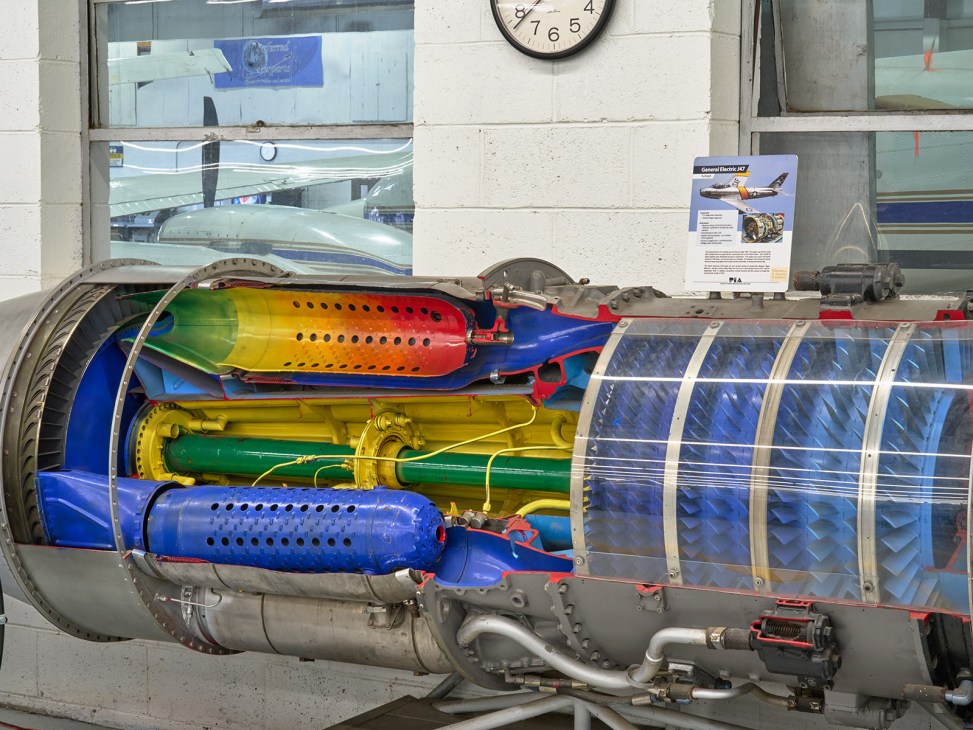
Engine display model
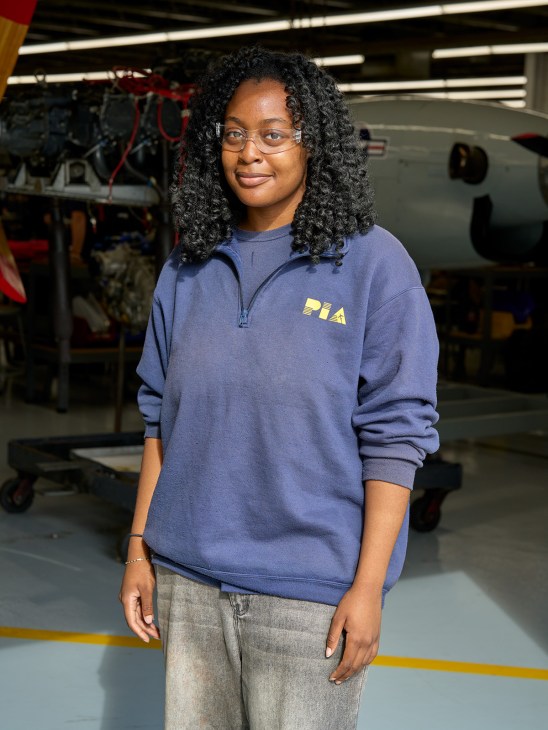
Ready to learn at PIA
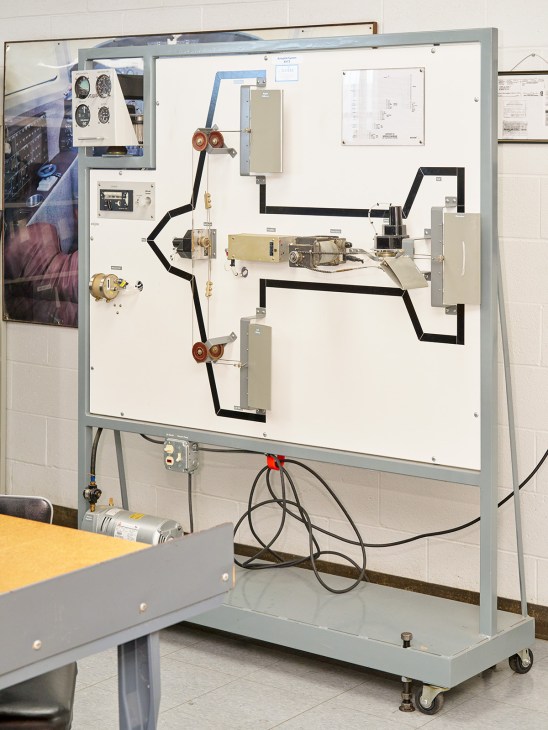
Training board
“When PIA graduates show up for an interview, they have an 80 per cent chance of getting hired just because of how prepared they are,” American Airlines regional training manager Michael Young tells Monocle via phone from Washington, during an industry lobbying week on Capitol Hill. He adds that schools such as PIA were instrumental in convincing lawmakers to modernise the aviation maintenance curriculum four years ago – removing the requirements, for example, to build balsa wood models more akin to a hobbyist’s project than anything a modern-day technician would find on an Airbus frame. It’s a reflection of a school that is interested not just in churning out graduates but in giving students the confidence to rise to challenges in a tightly regulated industry, with very real life-or-death consequences. “You might have mechanical skills but are we seeing a student that’s motivated, prepared, respectful and isn’t nervous?” says Young. For graduates who are part of the lineage that’s been fixin’ it right since 1929, the answer is almost always yes. “PIA is one of the schools in the country that sets the bar.”
pia.edu