
BETHLEHEM, Pa. — After nearly four decades of celebrating Celtic heritage in Bethlehem, the Celtic Classic Highland Games & Festival has come to an end. But two of the people who helped establish the annual tradition are hoping its final chapter hasn’t been written.
The Celtic Cultural Alliance announced Wednesday, October 28, that it is concluding operations following September’s 39th annual festival, citing years of financial difficulties that made continuing the nonprofit organization unsustainable.
The decision brings an end not only to one of North America’s largest free Celtic festivals, but also to an organization responsible for year-round cultural programs, educational outreach, concerts, scholarships and other community events.
However, festival founders Neville Gardner and Jim Foley say they want to explore whether the Celtic Classic can be saved.
The two helped preserve the festival after heavy rain nearly brought it to an end in 2008. Now, 18 years later, they are hoping to meet with Bethlehem’s mayor to discuss what might be possible.
“Both of our phones have been ringing off the hook all day long,” Gardner told 69 News, describing the reaction to the closure announcement.
He said people have been asking whether the founders intend to step in and help.
While neither Gardner nor Foley has a concrete plan, they believe maintaining the nonprofit organization and its status is important to the festival’s future.
Financial struggles bring an end to a Bethlehem tradition
In its announcement, the Celtic Cultural Alliance said the decision to close followed years of mounting financial pressure.
Although attendance remained strong, the organization cited changing consumer spending habits, several years of weather-related disruptions, the lingering financial effects of the COVID-19 pandemic, and steadily increasing operating costs.
Together, those challenges created what the organization described as an unsustainable financial situation.
“This was an incredibly difficult decision,” said Celtic Cultural Alliance Board President Lane Rundle in a statement.
“The Celtic Cultural Alliance has always been about bringing people together through music, culture, education, and tradition. We are deeply grateful to every volunteer, sponsor, donor, performer, athlete, vendor, and festival attendee who helped make this organization what it became.”
Rundle said the memories created during the festival’s 39-year history would continue long after the event itself.
The organization also recognized Executive Director Jayne Ann Recker, who has led the alliance for the past 18 years, thanking her for guiding it through periods of growth and unprecedented challenges.
The alliance did not provide a detailed financial accounting in its announcement.
69 News contacted the Celtic Cultural Alliance seeking comment on the founders’ efforts to preserve the festival but did not receive a response.
From a small gathering to an international celebration
The Celtic Classic began in 1988, when a small group of organizers sought to bring Scottish and Irish traditions to Bethlehem.
What began as a celebration of Celtic history and culture eventually grew into one of the largest free Celtic festivals in North America.
According to the Celtic Cultural Alliance, the event attracted more than 200,000 visitors annually to Historic Bethlehem.
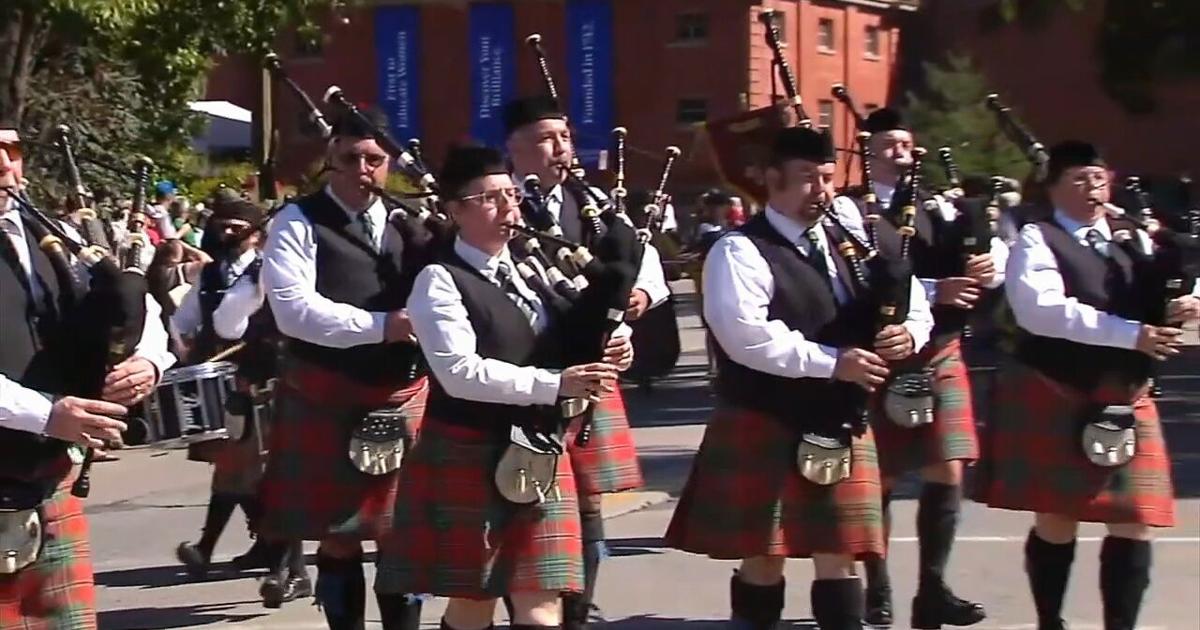
The festival featured traditional music, bagpipes, Highland dancing, Celtic food, cultural demonstrations, vendors, and the U.S. National Highland Games.
The Highland Games brought athletes together for traditional Scottish competitions, including events involving heavy weights and other feats of strength.
For generations of visitors, the festival offered an opportunity to experience traditions that have been passed down through families and communities for centuries.
The Celtic Cultural Alliance also expanded beyond the festival, organizing the Parade of Shamrocks, concerts, educational programs, and cultural classes.
Its scholarship programs supported young people pursuing Celtic arts, including Irish step dancing, Highland dancing, fiddle and bagpipes.
The organization also conducted educational outreach through schools, colleges, theaters and other institutions across the Lehigh Valley.
Longtime participant says cultural heritage is at stake
For Rocky Roeger, the festival’s closure represents more than the loss of an annual celebration.
Roeger, who has attended the Celtic Classic since 1993, owns USA Kilts, a Chester County-based business that has participated as a festival vendor since 2004.
“The passion for me with Irish and Scottish culture is everything from the music to the food to the history to the stories to the textiles that make this a living, breathing culture,” Roeger said.
His documentary, Celtic Heart, explores Celtic festivals and the challenges facing events dedicated to preserving those traditions.
Roeger says his documentary found that roughly 30% of Celtic festivals nationwide have closed since the pandemic.
He points to challenges facing festival organizers, including rising expenses, substantial labor requirements, and difficulties finding enough volunteers.
For Roeger, the larger concern is what happens when younger generations lose opportunities to experience their cultural heritage firsthand.
“What’s lost is heritage. It’s pride. It’s something to pass down. It’s something to show your kids,” Roeger said.
“When you lose an event like this, you’re not able to ignite that passion, that fire in the next generation.”
Founders hope history can repeat itself
For Gardner and Foley, the current situation brings back memories of another difficult period in the festival’s history.
In 2008, heavy rain threatened the Celtic Classic’s future. The two founders helped save the festival, allowing the annual celebration to continue.
Now they hope to explore another rescue effort.
Gardner said the response from people concerned about the festival’s closure has been immediate.
Callers have been asking whether the founders will try to help preserve the event.
The two are seeking discussions with Bethlehem’s mayor about whether the festival can continue in some form.
Gardner acknowledged that a future Celtic Classic might have to operate differently.
“Obviously might need a bit of a rethink,” he said. “You know, I mean, like maybe the dates. I don’t know. They’ve had awful weather the last four or five years. It’s been atrocious.”
Changing the festival’s traditional September schedule is one possibility he raised, although no decisions have been made.
The founders acknowledge they do not currently have a concrete plan to revive the festival.
They also believe preserving the nonprofit organization and its status could be essential to keeping the event alive.
Whether the existing Celtic Cultural Alliance could continue operating, be reorganized, or otherwise support a future festival remains unresolved.
An uncertain future for the Celtic Classic
The Celtic Cultural Alliance’s announcement marks the official conclusion of an organization that has spent nearly four decades promoting Celtic traditions throughout the Lehigh Valley.
The nonprofit says its legacy will continue through the friendships, cultural experiences and community connections created over the years.
For Gardner and Foley, however, the announcement does not necessarily mean the festival’s future has been decided permanently.
Their efforts are still in the earliest stages, and significant questions remain about funding, organization and whether a sustainable operating model can be developed.
The alliance has cited years of financial difficulties, even as the festival continued drawing large crowds.
Any attempt to revive the event would have to confront those same challenges.
For now, September’s Celtic Classic remains the final festival held under the Celtic Cultural Alliance.
But with two of its founders exploring another rescue effort, the possibility of a future Celtic Classic has not been entirely abandoned.
Copyright 2026 Maranatha Broadcasting Co., Inc.. All Rights Reserved.