
By Lauren McChesney
For more than a century, the American motion picture industry has been an enduring part of our shared experience. Movies bring audiences across the country the unique magic of sitting with their neighbors to see extraordinary stories told on the big screen at their local cinema.
This summer’s strong box office demonstrates once again that Americans still love going to the movies. But that success masks one important truth facing theatrical exhibition today: Over the last six years, studio consolidation, a global pandemic and multiple labor strikes have all contributed to a long-term erosion of available capital to reinvest in our businesses.
For nearly all theater owners, years of lost and disrupted revenue mean that even as audiences are returning, the capital needed for major improvements has not. Thankfully, a bipartisan bill, the Supporting Cinema Renewal, Enhancement, and Enriching Neighborhoods Act (H.R. 9938), is waiting in the wings. This legislation will have a direct economic impact in all 50 states, and we urge Congress to act.
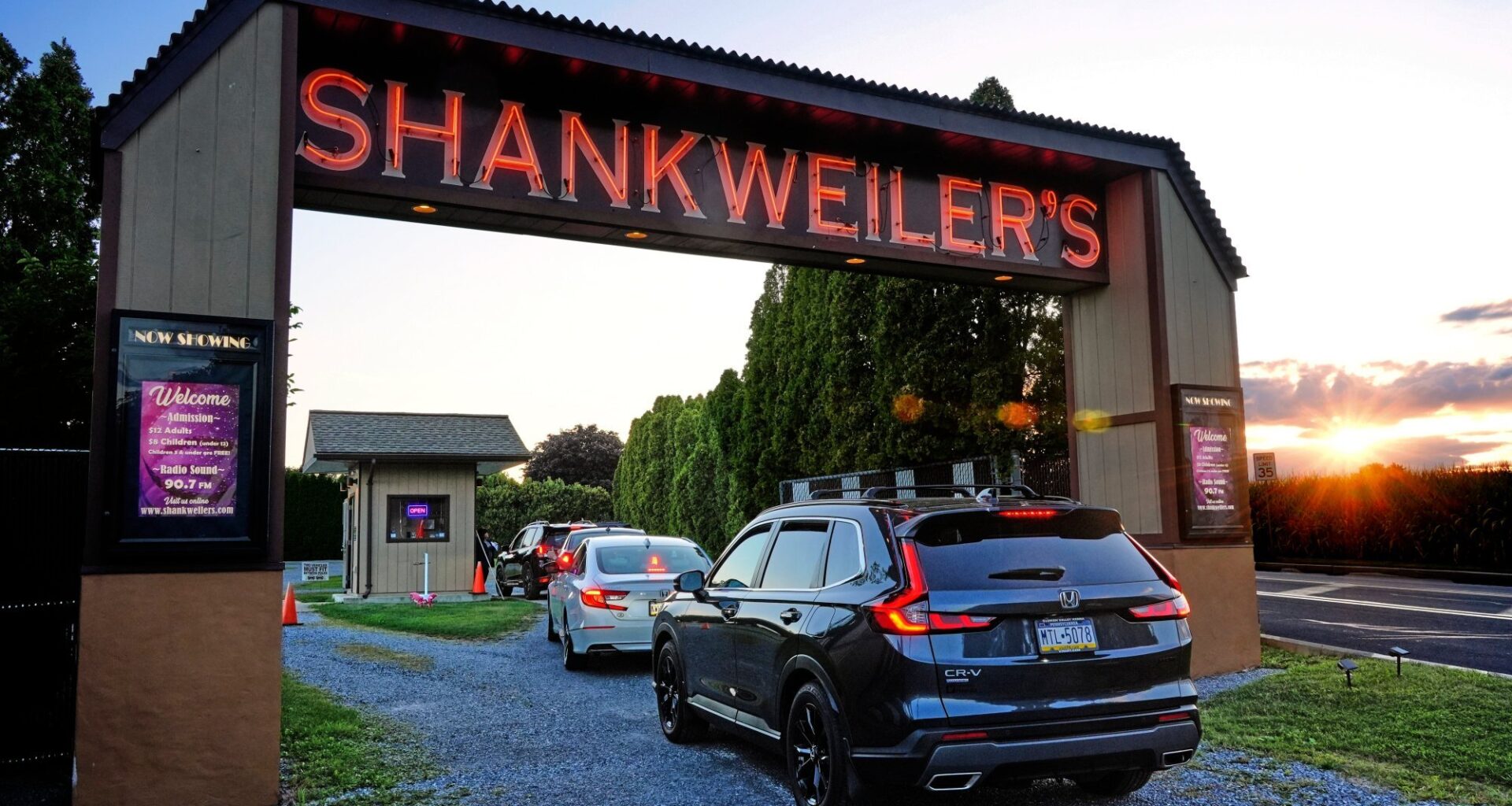
We are four small-business owners who represent this vital piece of the American film industry’s success, and as Congress considers how to restore and strengthen American film, it must ensure movie theaters are part of the solution. We own and operate independent theaters in Northern California, Nashville, rural Montana and Idaho, and America’s oldest drive-in theater, in North Whitehall Township.
We are not part of Hollywood, although we’re vital to bringing films to audiences. We are proud Main Street enterprises.
Movie theaters like ours are the economic and cultural cornerstones of communities across this great nation — in all 50 states, in cities and towns, big and small. In some parts of this great country, it is not uncommon for people to drive 50-plus miles to see a movie at our theaters, making it both a gathering place and a driver of economic activity far beyond the doors of the theater.
Success at the local theater means additional revenue for surrounding local businesses — shops, restaurants, bars, coffee shops — that benefit from the foot traffic of the local cinema.
Despite the challenges our industry has faced, theatre owners across the country — from the world’s largest theater circuits to the family-owned single-screen theaters like ours — are making long-term bets on ourselves and the magic of movies on the big screen.
We are reinvesting in our theaters to ensure they remain first-class show houses that movie fans will want to visit again and again. These investments include the industry’s latest advancements in screens, projection and sound; modern seating; and enhanced concession, dining and gathering spaces — the kinds of improvements that keep audiences coming back. But there is much more work to be done.
That is why we are grateful to a bipartisan group of leaders in the U.S. House of Representatives who have introduced legislation that will help more movie theater owners make those investments and more movie fans enjoy them. Sponsored by Reps. Claudia Tenney, R-N.Y.; Mike Carey, R-Ohio; David Kustoff, R-Tenn.; and Tom Suozzi, D-N.Y., the SCREEN Act is focused and targeted legislation that provides a tax credit for movie theater reinvestment and sunsets after five years.
It applies to the modernization and improvement of theaters that are 5 years or older, helping theater owners put private capital to work and securing the future of theaters across the country.
The SCREEN Act does not ask Washington to build or operate movie theaters. Instead, it gives theater owners the help they need to invest their own capital in modernizing businesses and strengthening the commercial areas around them. It is exactly the kind of public-private partnership that can have a direct and positive impact in communities of all sizes.
And its impact extends beyond the theaters themselves. When we renovate our theaters, a significant amount of that reinvestment goes to the local contractors who do the work. It goes to suppliers and vendors — typically small- or mid-sized companies.
And it supports the surrounding businesses that benefit from vibrant, modern centers of community activity and entertainment. For every dollar spent on a movie ticket, an additional $1.50 is spent at surrounding businesses. Simply put, the SCREEN Act would result in more money being spent in Main Street America.
The SCREEN Act also complements recent calls for a production tax credit aimed at keeping more film production in the United States. Modern theaters, serving more communities and driving higher box office, create greater return for the studios, who can reinvest in more home-grown production.
We are proud of the part we have played and will continue to play in the American motion picture industry’s story. The SCREEN Act recognizes that movie theaters matter not only to the future of American entertainment, but to the economic and cultural life of communities across the United States. Congress should pass it and help Main Street theatres write the industry’s next great chapter.
This is a contributed opinion column. Lauren McChesney is co-owner of Shankweiler’s Drive-in in North Whitehall Township. This piece was co-written with Becky Dupuis, CEO of Polson Theatres Inc. in Polson, Montana (seven locations, 20 screens); Paul Gunsky, president of CineLux Theatres in San Jose, California (eight locations, 62 screens); and Stephanie Silverman, executive director of the Belcourt Theatre in Nashville, Tenn. (one location, three screens). All are members of the Executive Board of Cinema United. The views expressed in this piece are those of its individual author(s), and should not be interpreted as reflecting the views of this publication. For more details on commentaries, read our guide to guest opinions at mcall.com/opinion.