
HARRISBURG — “Always double-check your work.”
Most people have heard this simple but sage advice at some point in their lives, whether from a grade school teacher, a college professor, or a supervisor at work.
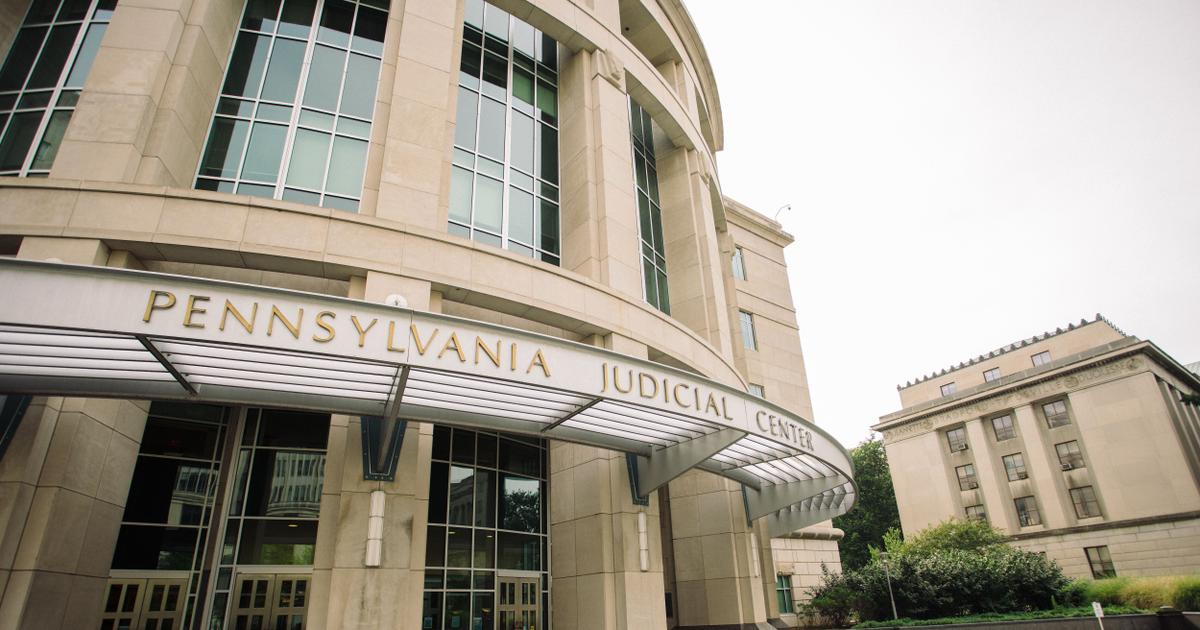
Now, as the use of artificial intelligence skyrockets, a committee that advises the Pennsylvania Supreme Court is weighing whether lawyers and other filers who use that tech should have to certify they double-checked the authenticity of citations and information in legal documents.
Failure to comply could result in sanctions ranging from a reprimand to fines to outright dismissal of a case, according to a proposed notice published last month in the Pennsylvania Bulletin, the state’s weekly gazette for government proposals for new rules, regulations, and other information.
The Advisory Committee on Artificial Intelligence said it wants to make all court filers aware that generative AI can produce “inaccurate, misleading, or fabricated information,” such as erroneous legal citations or quotations.
Those filers, including lawyers and people representing themselves, must “thoroughly review” the accuracy of any AI-generated content in court documents before submitting them, and certify compliance with the requirement. That includes checking summaries of legal principles as well as all legal citations and quotes.
The proposal would effectively place the accuracy burden on humans, rather than technology.
The public and other interested parties have until Nov. 24 to comment or weigh in with any concerns or suggested changes.
After that, the court’s AI advisory committee can either tweak or formally submit its proposal as is to the high court’s seven justices, who will then vote on whether to adopt it.
The Pennsylvania Bar Association, which advocates for lawyers and the legal profession, has not yet taken a position on the proposal, according to a spokesperson. But in 2024, the statewide association and the Philadelphia Bar Association issued a joint formal opinion with guidance and best practices for using AI. Among them: Lawyers should verify the accuracy of all AI-generated content.
It’s not the first time the high court has waded into the debate over the appropriate use of AI. In 2024, justices established an advisory committee to monitor the use of AI in the legal profession and propose guidance for its specific use within Pennsylvania’s courts.
The following year, the committee recommended an interim policy for the responsible use of AI by judges and court staff, which was adopted by the justices. It allows for using AI in legal research, initial drafting of court documents, and editing and assessing “the readability” of public documents.
That policy, which is still in effect, does not apply to lawyers or others outside government. The committee proposal that’s now up for public comment would apply to all court filers.
While You’re Here
Spotlight PA’s nonprofit reporting is a free public service, but it depends on your support. Give now to ensure it can continue.
Pennsylvania is not alone in crafting AI-related policies. Courts across the country have tackled the question as stories have surfaced of lawyers submitting court briefs with false or fake information, often referred to as “hallucinations.”
Over the summer, a federal judge in Mississippi punished lawyers on both sides of a civil case who filed legal documents with fake citations after using AI. Two of those lawyers were barred from appearing in that district’s federal court for two years.
Spotlight PA reported that filings in at least 13 Pennsylvania court cases in 2025 contained confirmed or implied AI hallucinations, including a high-profile case before an appellate court involving gender discrimination.