
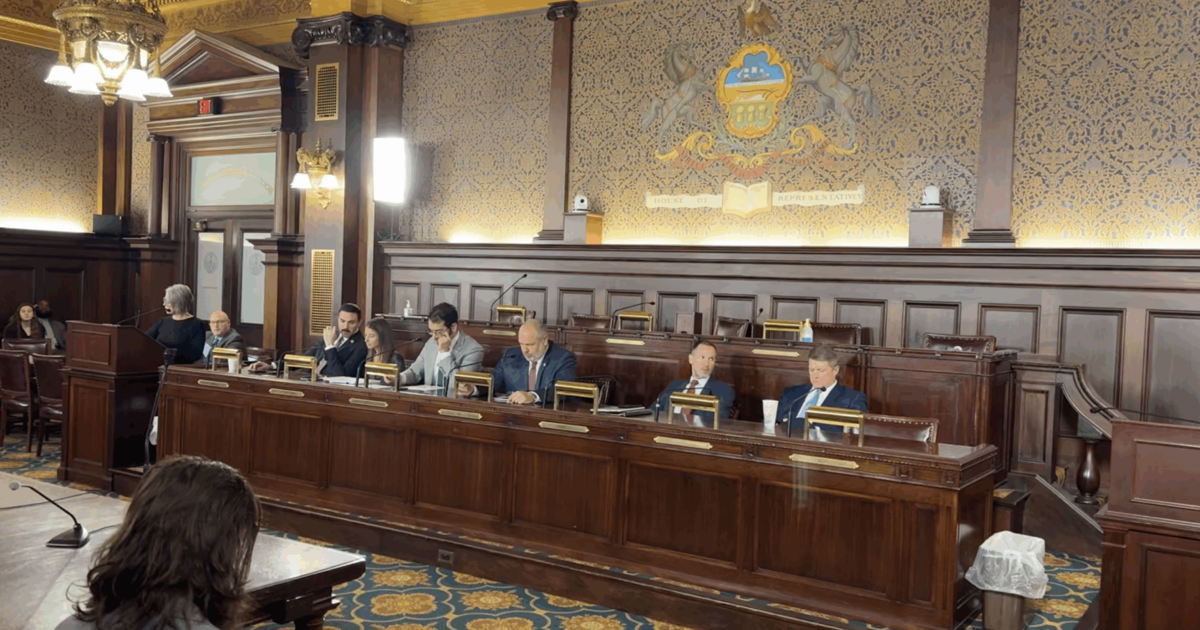
Today, Pennsylvania lawmakers passed bills that will finalize a state budget and adjust multiple policy areas in the state. The votes come four months after when the state budget was due. Pennsylvania is the last state in the nation to pass their budget for the current fiscal year.
“It is long past closing time for this 2025/26 budget,” said Sen. Joe Pittman, the Republican Senate Leader.
The final budget is $50.09 billion, a 4.7% increase from the 2024/25 fiscal year spending. The 2025/26 spending relies on $3 billion in savings to supplement roughly $47.3 billion the state is estimated to receive in revenue.
The general appropriations bill, SB160, passed the House with a 156-47 vote. in the Senate, the bill passed on a 40 to 9 vote.
A plethora of fiscally conservative Republicans in the House and Senate voted against the bill, citing frustration at spending more than what the state is estimated to make in revenue. Four Republicans in the northwest– Rep. Brad Roae, Rep. Jake Banta, Rep. Tim Bonner, Rep. Kathy Rapp– voted against the general appropriations bill.
The final budget is $1.3 billion less than what Democratic Gov. Josh Shapiro proposed in his budget address in February.
Pennsylvania’s state budget was due on June 30, and state funding to schools, counties, and other organizations has been frozen for 135 days. Multiple organizations have laid off staff, taken out loans, and reduced services or shifted project timelines because of the lack of state funding.
With today’s budget passed, entities will get backpay for their state funds. If counties and schools took out loans, they will have to cover the interest– an unofficial tax on Pennsylvanians due to lawmakers four month delay.
Democrats are touting increases in education spending. An adequacy funding formula for all 500 school districts will get another $565 million increase. The House Democratic caucus says reforms to cyber charter school policy could reduce spending for school districts statewide by $178 million.
Democratic senators also mentioning violence prevention fund increases, more funds for direct care workers for people the creation of a Working Pennsylvanian Tax Credit.
Republicans are touting that Pennsylvania will be removed from the Regional Greenhouse Gas Initiative, a program that charges energy companies a fee if they produce too much carbon.
Former Pennsylvania Gov. Tom Wolf joined the multi-state initiative back in 2019 by executive order, but Pennsylvania energy companies have never actually payed RGGI fees because of ongoing lawsuits. Republicans say leaving the program will attract new natural gas and energy company business.
Climate advocates have spoken out against leaving the program. Sen. Carolyn Committa (D) voiced her environmental concerns on the senate floor today, though she still voted yes on the bill.