
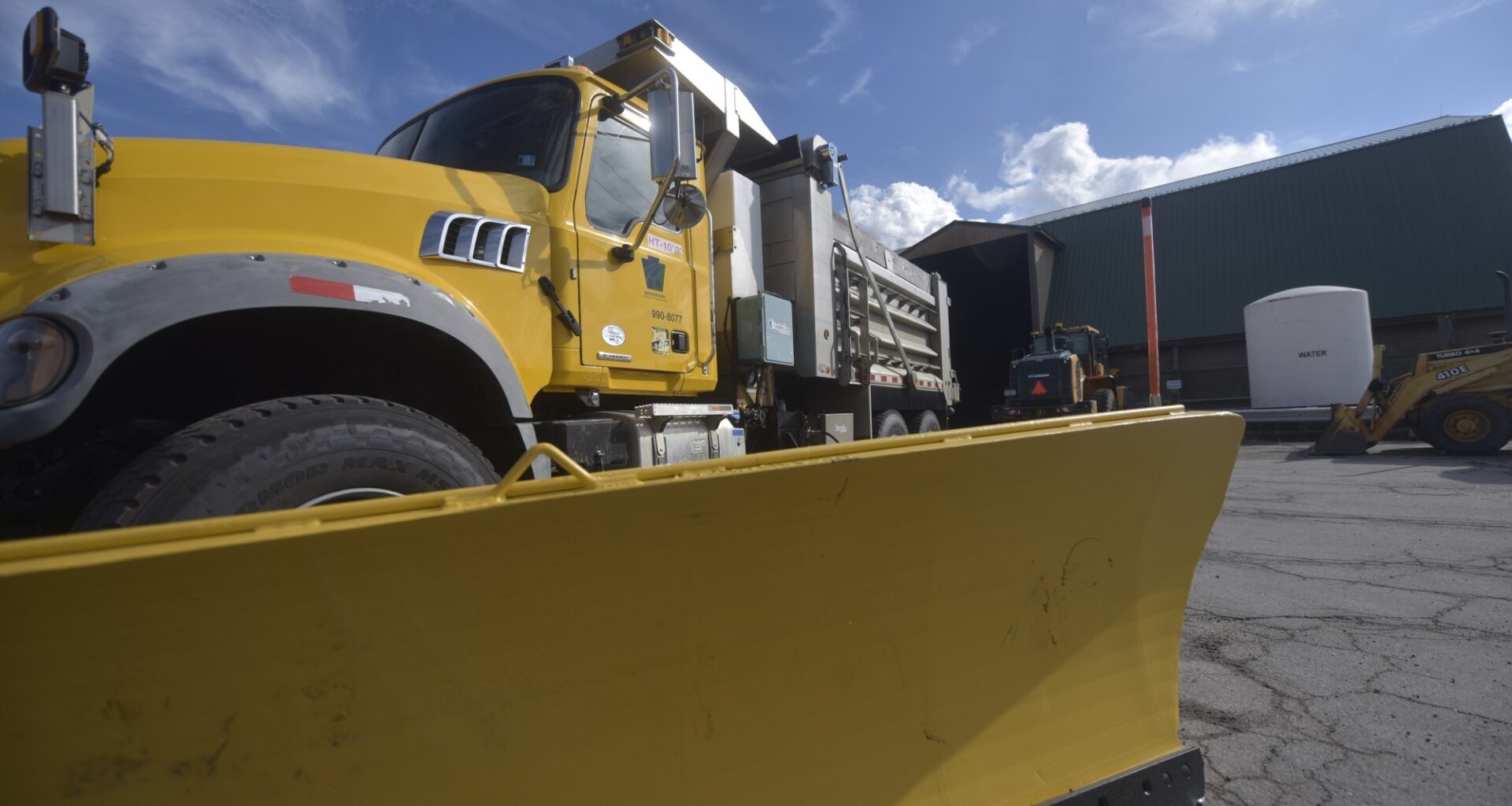
DUNMORE — Pennsylvania Department of Transportation officials provided insight Friday on winter weather preparedness and tips for driving safely during storms.
PennDOT District 4 officials say they are prepared for upcoming winter weather. The agency typically uses about 100,000 tons of salt, 60,000 tons of anti-skid material and more than 1.3 million gallons of salt brine each winter, officials said.
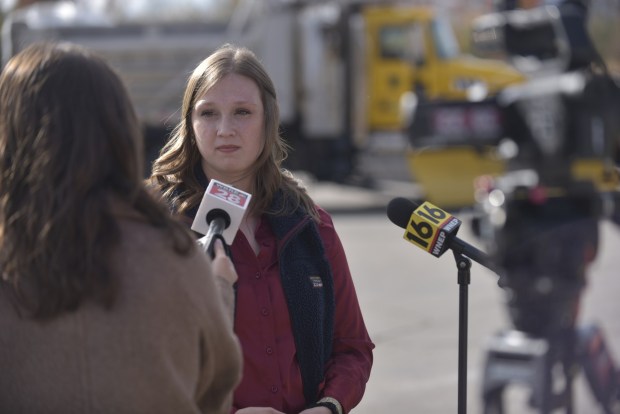 Kaitlyn Drumheller, Maintenance Services Engineer for PennDOT, discusses winter preparedness and winter hiring on Friday. Nov. 7, 2026 at PennDOT’s Dunmore facility. (CHAD SEBRING/STAFF PHOTO)
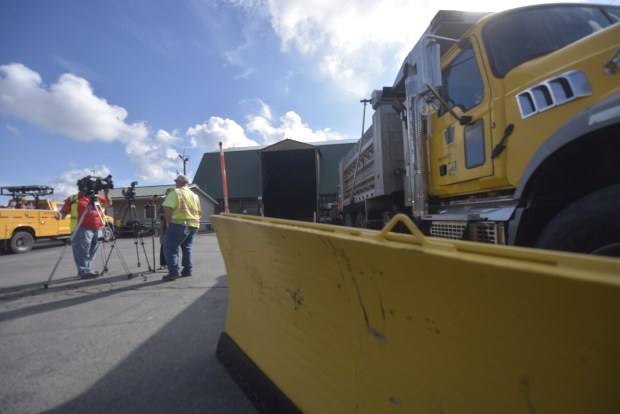 Pennsylvania Department of Transportation officials discuss officials discuss winter preparedness and winter hiring on Friday. Nov. 7, 2026..(CHAD SEBRING/STAFF PHOTO)
The district includes six counties: Lackawanna, Luzerne, Wyoming, Susquehanna, Pike and Wayne.
Officials encourage drivers to slow down and be cautious during winter weather events. They noted that when temperatures drop, there are unexpected events like snowsqualls that can impair vision.
Motorists should not try to pass PennDOT vehicles that are out clearing roads and should provide them with enough space for workers to get the job done.
PennDOT still seeks to hire additional operators, mechanics and welders for the winter season. Those interested may apply at employment.pa.gov.
To make traveling safer, PennDOT recommends:
• Preparing an emergency kit, including a flashlight, jumper cables, a blanket, bottled water and nonperishable food.
• Keeping your gas tank at least half full.
• Informing others of where you are going and when you expect to arrive.
• Monitoring weather conditions and travel advisories.
• Slowing down, and avoiding sudden stops, starts and turns.
• Being cautious on bridges, ramps and roads that look wet but may actually be covered in black ice.
• Bringing a cellphone.