
 HEMPFIELD TOWNSHIP, Pa. —
For years, before you got onto the Pennsylvania Turnpike, you would have to go through a toll booth.
On Jan. 3, 2027, that will change.
“We will literally flip the switch here on the gantry system, which will have us now collecting our tolls through the gantries,” Turnpike Commission CEO Mark Compton said Friday. “Transitioning to the gantry-type system on the roadway as opposed to the interchanges really enables us to be, in many ways, a better neighbor that we’ve been desiring to be.”
“It looks so simple, but it is a relief to have it done,” construction engineering manager Shane Szalankiewicz said.
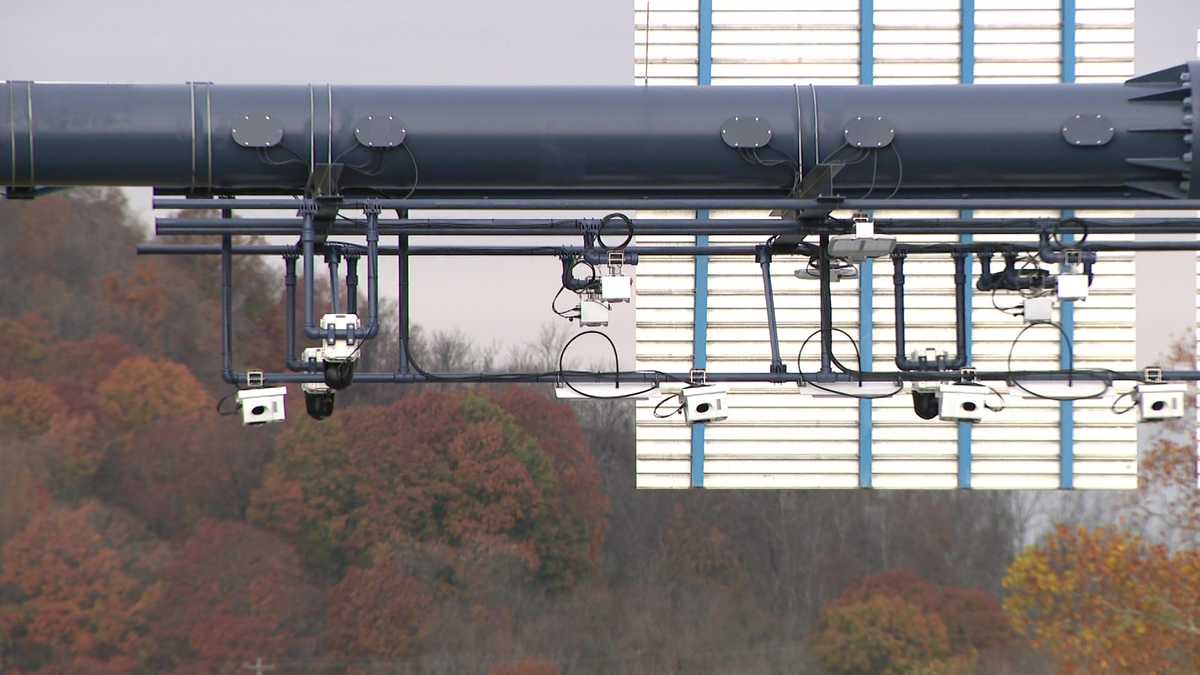
The new system should be simpler for thousands of drivers. Instead of being charged at a toll booth, many cameras will tag your vehicle as it passes under the gantry.
“The only thing that really changes is the way your invoice looks,” Compton said. “Each segment will hit your invoice, but the customer experience itself won’t change.”
Looking for more news in your area | Subscribe to the WTAE YouTube Channel
No toll fees will change because of the system switch. While there are not many changes for drivers, they do have to make sure certain items are in place for a smooth transition.
“We ask you to please mount the [E-ZPass] tag,” Compton said. “Also, please make sure your license plate is hooked up to your account.”
For drivers who don’t have E-ZPass, the cameras still read license plates and a bill will be mailed.
While Open Road Tolling is new to the western side of Pennsylvania, it’s a concept that has shown results.
“Two years ago, we did it in the east and in the northeast extension,” Compton said. “It’s working really well.”
Once the switchover happens statewide, the toll booths will be taken down, clearing up the interchanges.
“We’ve had less crashes in those interchanges because that toll apparatus is no longer in the way,” Compton said. “So those toll booths are no longer there, which is a much safer experience and a much more pleasant experience.”
All the gantries have been tested for close to a year. They come with a small building nearby with backup generators and information servers so that if things go wrong, they’re still effective.
“Our folks in tolling are very familiar with those systems to be able to know when there’s a problem,” Szalankiewicz said. “With the cameras and sensors in the road. It gets that tolling information together to send back to our system.”
Turnpike officials hope this makes things easier for more than 500,000 drivers who take the superhighway every day.
“It’s great to be part of an 86-year-old organization that’s still in growth mode,” Compton said. “This is another opportunity for the commission to continue to evolve.”
Download the WTAE app to stay connected with breaking news. Sign up for our email newsletters to get breaking news in your inbox.