
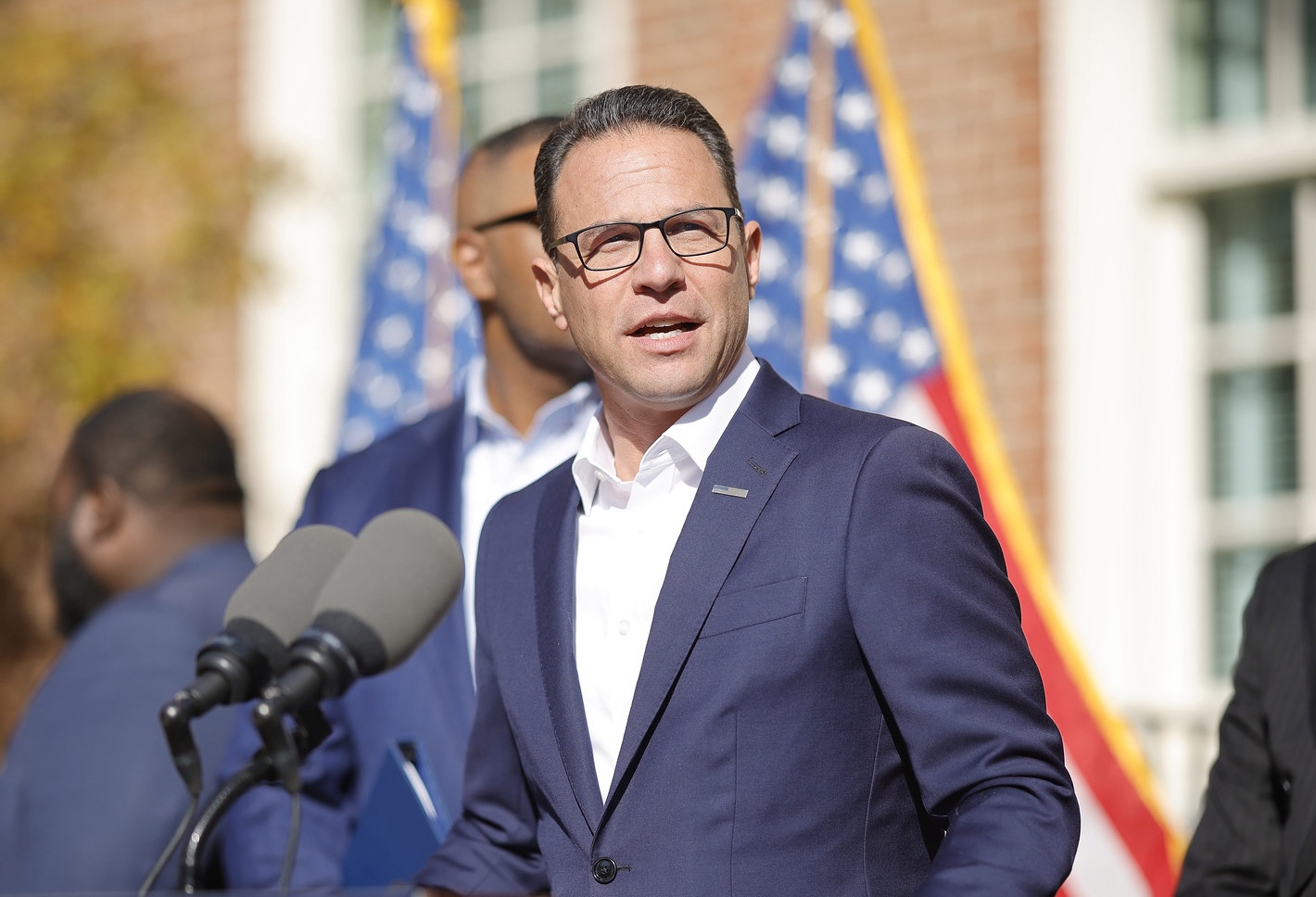
Gov. Josh Shapiro and his fellow Democrats who swept the Pennsylvania Legislature last week believe they have a broad mandate to enact his policy agenda.
Data centers appear to be in the crosshairs after the sector’s artificial intelligence-powered development boom became a political third rail. Multifamily players may have scored a victory as supply-side solutions to the housing shortage bubble to the top of Pennsylvania Democrats’ nascent agenda.
“Tonight the people have spoken,” the governor said in his election night victory speech.
“They want us to build more housing and strengthen our infrastructure,” he added.
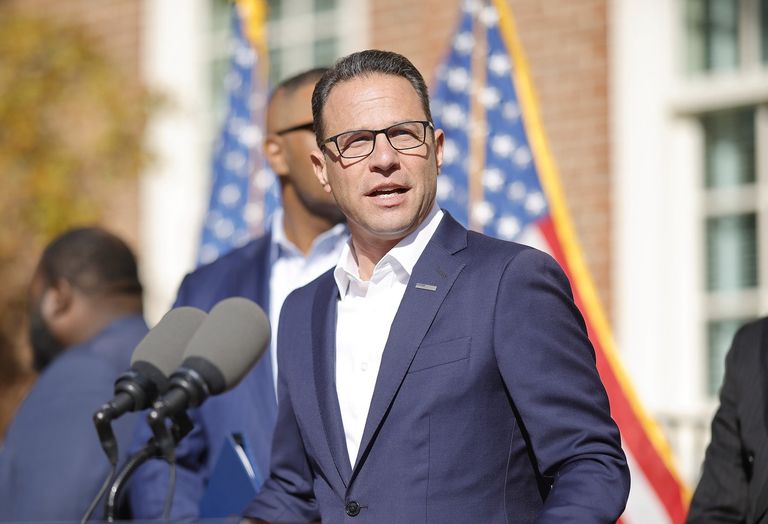
Pennsylvania Gov. Josh Shapiro
Shapiro soundly beat his Republican opponent, Stacy Garrity, with more than 60% of the vote and a 22-percentage-point margin.
Democrats also took control of the Pennsylvania Senate, where they have a two-seat advantage, and grew their lead in the House from three representatives to 13. This is the first time all three branches of the state government in Harrisburg have been blue at once since 1993. The single-party control is expected to grease the legislature’s wheels.
“We do expect policy to move quicker than it has in the past,” Lehigh Valley Chamber of Commerce Vice President of Public Policy Denise Maiatico said.
“Bills that passed in the House and stalled in the Senate would have the opportunity to resurrect themselves,” she added.
Spurring More Housing Supply
Some of the new and revived proposals are expected to address the state’s housing shortage. Pennsylvania is slated to be short 185,000 units by 2035 after it ranked No. 44 out of the 50 states for new home construction between 2017 and 2023.
Multifamily players said there is a consensus among Democrats that Pennsylvania’s residential pipeline needs to expand.
“The state will pass legislation reforming zoning, which will override local zoning code,” said Philly Office Retail President Ken Weinstein, who described himself as a longtime supporter of the governor.
Shapiro’s February Housing Action Plan called for updates to the Pennsylvania Municipalities Planning Code to increase speed and certainty in the entitlement process.
Bills could also advance that increase density by allowing accessory dwelling units, mixed-use projects and apartments to be built by right in more places, Pennsylvania Apartment Association Vice President of Government Affairs Steven Chintaman said.
“Housing supply preservation, infrastructure, regulatory modernization — those are things that our industry can work on constructively,” he said.
Chintaman also said he expects funding to help repair and preserve Pennsylvania’s existing housing stock, nearly half of which was built before 1980, and legislation to facilitate the adaptive reuse of the state’s underutilized historic buildings.
Weinstein predicted there will be proposals to subsidize rents and the development of workforce housing as well.
“There’s going to be a logjam of good legislation now that there’s a clear path to getting it through the state legislature,” he said.
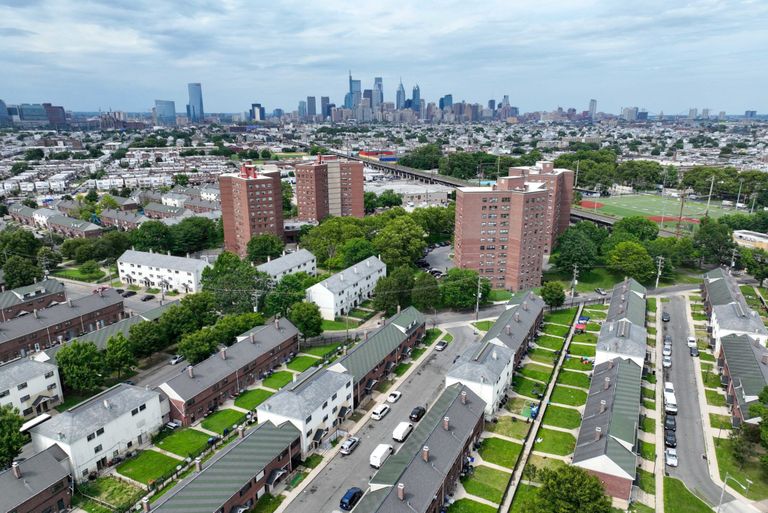
Philadelphia Housing Authority
But at the municipal level, Pennsylvania Democrats haven’t always gotten along well with multifamily developers.
That is particularly true in Philadelphia, where concerns about affordability and landlord-tenant relations have led to an array of new post-pandemic renter protections and an affordability overlay for new development in West Philadelphia, both of which multifamily players see as cumbersome.
On some points, Shapiro and these Philly officials are on the same page. The Housing Action Plan called for additional eviction protections, a ban on denying tenants using public assistance to pay their rent, and caps on how much landlords can charge for security deposits and rental application fees.
Days before the election, Shapiro made an appearance at a Berks County manufactured housing community to stump for lot rent increase restrictions in those communities, which have soared in recent years.
PAA is concerned about these proposals, Chintaman said.
“Rent stabilization may sound like an immediate solution, but policies that restrict rents can have unintended consequences,” he said.
“Our concern is that if you make it more difficult to invest in rental housing, you risk reducing the availability and quality of housing over the long term,” Chintaman added.
But he and Weinstein said they believe that state Democrats are a different breed than their Philly counterparts and that supply will remain at the center of their statewide plans.
“In general, Philadelphia City Council is not committed to providing more housing. They’re still fighting over how many parking spots there are on the street,” Weinstein said.
“I’m hearing a very different tone from state reps and state senators than I am from Philadelphia City Council members. They are fully committed to seeing more housing provided and driving down the cost.”
Data Center Outlook Suffers
Just a year ago, Shapiro was a major proponent of the data center industry, even appearing at an event featuring President Donald Trump and Pennsylvania’s Republican U.S. senator, Dave McCormick, to promote its presence in the Keystone State.
Public opinion has shifted dramatically since then in a manner that transcended the partisan divide.
“This is a bipartisan issue, and that course was charted closer to the beginning of this year and has been consistent,” Pennsylvania Data Center Partners CEO Igal Feibush said.
After a wave of distaste for data centers swept the nation and Pennsylvania over the past year, Shapiro pivoted and issued a relatively restrictive executive order on data center development.
Some players in the space weren’t particularly fazed by the new rules, which barred the sector from the governor’s signature Fast Track program and incentivized tighter power and water standards. Commentators have suggested Shapiro’s past stance on the sector remains a polling vulnerability for the rumored presidential hopeful.
But Feibush said the order contributed to some developers walking away from projects in the state, and his firm is planning to snatch up at least three of them.

More restrictions could be on the way. A bill allowing municipalities to pause all data center decisions for up to 180 days while they draft new zoning ordinances for the industry already passed the House with bipartisan support in June.
An outright three-year moratorium on hyperscale projects was proposed the same month by state Sen. Katie Muth, a Democrat from Chester County.
Feibush said he believes there is still a lane for the industry in Pennsylvania and that Shapiro and other politicians understand its importance.
“The governor recognizes the benefits of artificial intelligence and what it takes to get there and the benefits of the build-out,” he said.
“Politicians will do what they need to do to get elected. Data centers have been at the top of the issues list. They had to be very cognizant of their constituents being concerned about that,” Feibush added. “They also have to ensure that there’s economic development.”
Shapiro’s rumored presidential aspirations still haven’t amounted to a campaign announcement.
“It’s greatly discussed, and there’s nothing public about it,” Weinstein said.
“I believe he can multitask and, if he were to run for higher office, could still be actively engaged as governor. I also believe Austin Davis as lieutenant governor will have a greater role in the second term.”