
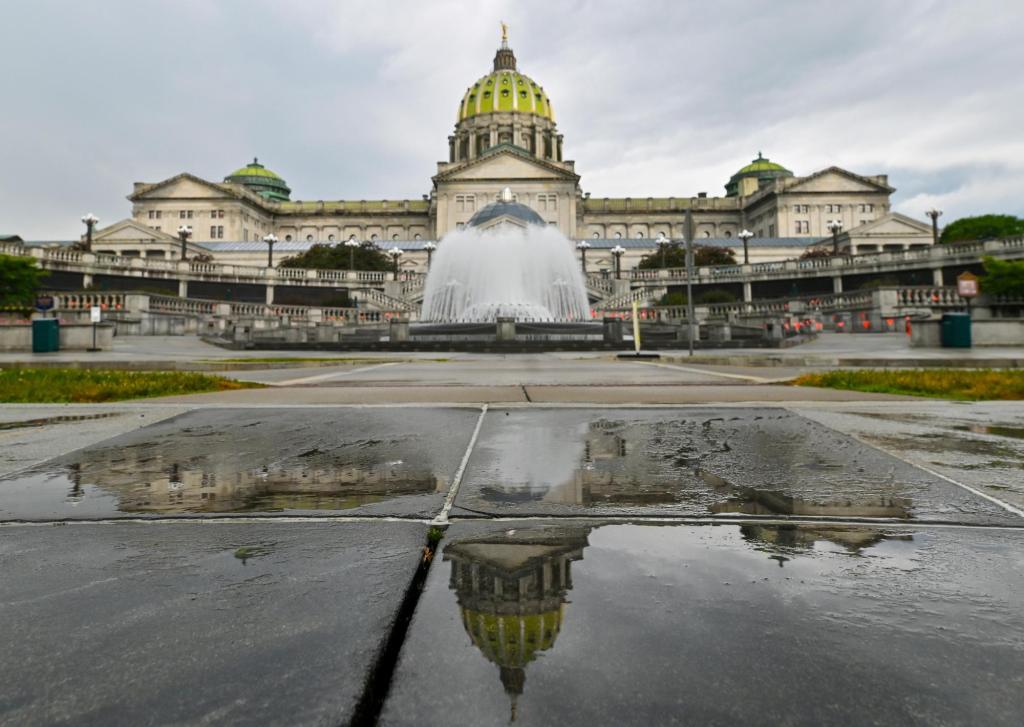
Pennsylvania has a new budget.
On Wednesday — more than four months after its June 30 due date — the state Legislature passed a roughly $50 billion spending plan, which was quickly signed by Gov. Josh Shapiro.
The 2025-26 budget delivers substantial new investments to public schools, creates an earned-income tax credit for lower earners and ends the state’s participation in a climate program.
Here is what lawmakers who represent Berks County are saying about the budget.
Sen. Judy Schwank, a Wyomissing Democrat
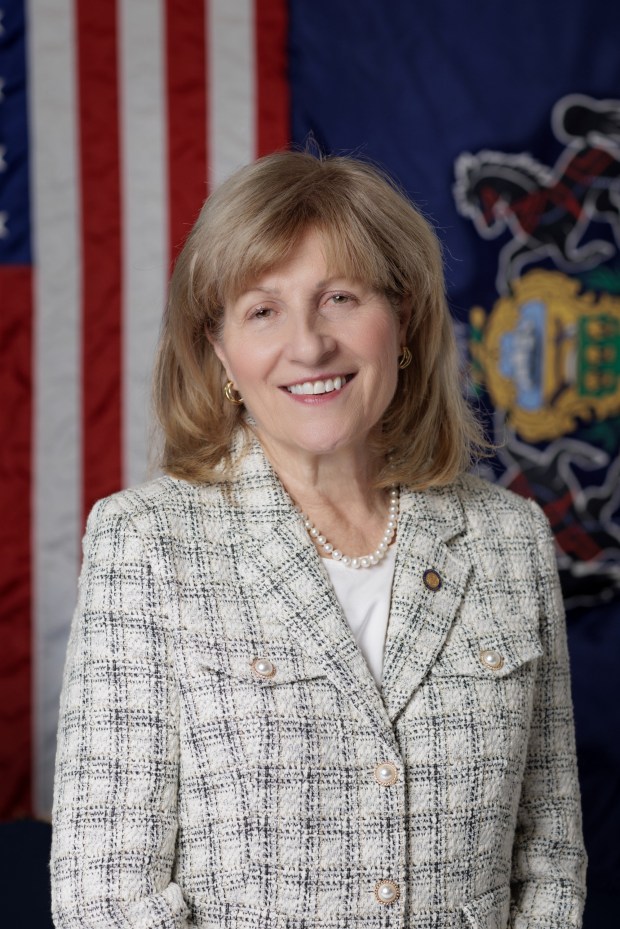 State Sen. Judy Schwank
“I’m happy to get this done and begin driving out the funding that Pennsylvanians need after such a long process. This budget reflects compromise and an understanding that countless services rely on the state for support. I’ve been hearing from school districts, nonprofits, local governments and everyone in between about the need to bring this process to a close. Any further delay was not an option.
“We increased funding for programs that are important to me and my district, including an $11 million increase for the State Food Purchase Program and Farmers Market Nutrition Program. We also created a new $25 million fund for child care recruitment and retention. On the economic development front, we invested another $20 million in Main Street Matters, and Berks County looks poised to tap into that program in upcoming rounds. We also invested an additional $20 million in the Historically Disadvantaged Business Assistance Program, which will support small business growth.
“No budget is perfect, but this one is realistic. It allows us to fulfill our obligations and make key investments without raising taxes or drawing from the Rainy Day Fund.”
Schwank also touted the inclusion of Working Pennsylvanians Tax Credit, a program developed through bipartisan legislation she sponsored to provide tax relief for working families.
“This is a win for working families,” she said. “This tax credit puts money back in the pockets of the people who need it most. Whether it’s groceries, child care, after-school programs or rent, this support gives working Pennsylvanians the flexibility and breathing room they need to thrive.”
Sen. Chris Gebhard, a Lebanon County Republican
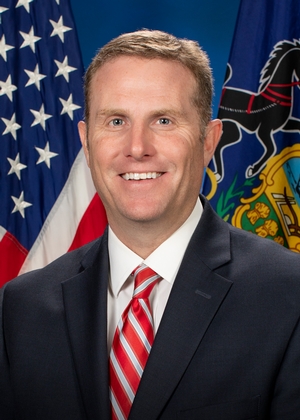 State Sen. Chris Gebhard
“As a small-business owner myself, I know that in the real world you cannot continue to spend more than you take in without going bankrupt. This budget will ultimately force extremely difficult decisions in the near future — either raising taxes on hardworking Pennsylvanians who are already struggling or making drastic cuts to essential state services. The time to get our fiscal house in order is now, not later.
“The $50.1 billion budget spends about $4 billion more than the state is expected to receive during the current fiscal year. At this rate, the commonwealth is projected to face a deficit of $6.8 billion by fiscal year 2027-28.
“While it’s certainly good news that Gov. Josh Shapiro has finally come to his senses and agreed to exit the Regional Greenhouse Gas Initiative — essentially a $1 billion electricity tax on Pennsylvanians — it does not change the basic math. We cannot continue to grow recurring expenses and saddle future generations with the consequences of poor financial decisions.
“This budget is simply unsustainable, and I cannot support it.”
Sen. Tracy Pennycuick, a Montgomery County Republican
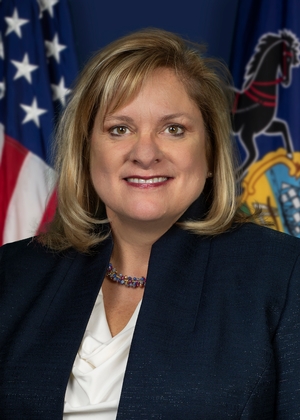 State Sen. Tracy Pennycuick
“After many months of intense meetings, we were able to negotiate a more reasonable spending plan with important policy improvements with no tax increases on Pennsylvania families or businesses.
“We were able to cut $1.4 billion from Gov. Shapiro’s budget and use unspent money from numerous state agencies, saving $3 billion.
“We voted to increase funding for our kids’ schools while improving accountability by requiring them to adopt evidence-based reading instruction. I was proud to lead cyber school reform efforts to get tough on truancy and residency requirements and save our schools $178 million.
“Additional funding is also included for the Ready to Learn Block Grant program ($562 million increase), basic education ($105 million increase), special education ($40 million increase) and Pre-K Counts ($9.5 million increase).
“We’ve expanded school choice options with an additional $50 million for the very successful education improvement tax credit program. This funding will be targeted to families in economically disadvantaged schools for students to learn in an environment that best suits their needs.
“An additional $7.5 million will support the Grow PA Scholarship Grant program created by Senate Republicans last year to provide grants of up to $5,000 to students pursuing higher education for in-demand fields, provided they agree to stay and work in Pennsylvania after graduation.
“A $15 million cut proposed by Shapiro to workforce development programs was restored, ensuring these programs can continue to help train Pennsylvanians for high-quality, family-sustaining jobs.
“The budget protects programs designed to benefit older Pennsylvanians by providing a $100 million transfer to the Lottery Fund, as well as $90 million in recurring funding from i-gaming. An additional $10 million was also provided to Area Agencies on Aging.
“We restructured human services spending to put it on a more stable fiscal path and avoided using our rainy day fund.
“In addition, we are doing away with the Regional Greenhouse Gas Initiative regulation which would have resulted in electricity taxes going through the roof.
“To help businesses and to encourage companies to come to Pennsylvania, we substantially improved our permitting process. The reforms will require a wide variety of environmental permits to be deemed approved after a certain period of time, ensuring applicants will know the time frame for consideration of their application and can appeal any permits that are denied. This provides certainty to the process and ends the current practice of dragging out the permitting process for months without resolution.
“Taken together, these bipartisan reforms will help Pennsylvania families and businesses continue to grow and prosper in the months and years ahead.”
Rep. David Maloney, a Pike Township Republican
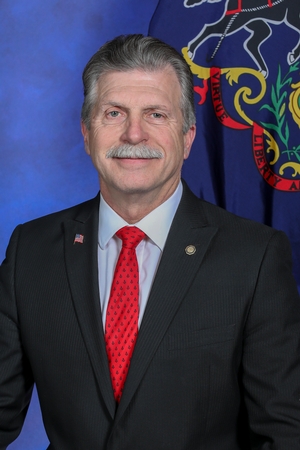 State Rep. David Maloney
“This so-called budget reduces school choice in favor of the public teachers’ unions and puts language into the fiscal code to ‘seek alternatives to pregnancy,’ whatever that means. I am concerned that very vague wording in the bill allows ‘options’ that could include taxpayer-funded abortion.
“In addition, this budget was passed by raiding our budget surplus and reducing it from over $6.5 billion to a mere $200 million. And we have no idea yet where this money is going.
“Businesses do not run on ‘projected’ funds and Gov. Josh Shapiro already has generated a deficit that is projected to grow to over $6 billion for the 2025-26 fiscal year and potentially reach over $7.6 billion by 2027-28. That means tax hikes, folks.
“Many are touting the elimination of the Democrats’ Regional Greenhouse Gas Initiative as a win in this budget. Well, that is news to me. Shapiro ran on getting rid of RGGI, and it has already been defeated numerous times in court. Getting rid of something already on its legal deathbed is not a win.
“And not to be forgotten (though the Legislature and Shapiro may wish it so) are Pennsylvania’s absolutely unconstitutional property tax. In 2011-12 the Pennsylvania budget was $27.15 billion and those of us truly fighting school property taxes were told then that $7 billion to eliminate property taxes was a pipe dream.
“This budget now spends $50.09 billion and carries forward a Shapiro-generated $5.1 billion deficit, an absolute insult to homeowners being taxed into homelessness.”
Rep. Manny Guzman, a Reading Democrat
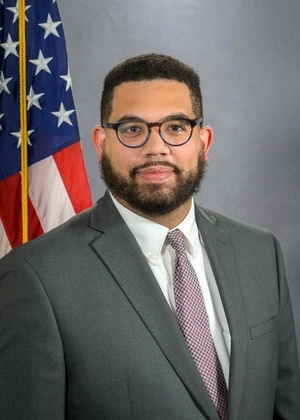 State Rep. Manny Guzman
“After a forced four-month delay, the Pennsylvania General Assembly has today passed a balanced, bipartisan budget. Although the process took much longer than it should have, I am proud of our work and what we accomplished.
“This budget supports families in Reading and Berks County, keeps taxes stable and avoids new costs. Increase funding for schools, child care workers, job creation, seniors and infrastructure, helping families thrive while keeping our communities safe and strong. This budget puts the well-being of our families first.”
Rep. Jamie Barton, a Schuylkill County Republican
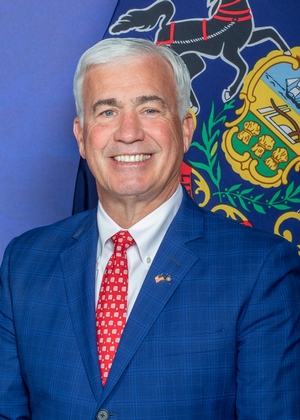 State Rep. Jamie Barton
“Budget negotiations are twofold. We have to reach an agreement on the dollar figure the state intends to spend during the fiscal year, and there’s the accompanying policy that impacts our state revenue. While I’m not thrilled about the total spending number, the policies we’ve negotiated are incredibly important for the future of our commonwealth.
“As part of this budget deal, the General Assembly will be repealing the regulations that put us into the Regional Greenhouse Gas Initiative. RGGI is responsible for Pennsylvania losing out on 22,000 direct energy-related jobs and nearly $8 billion in economic development. It was also projected to increase utility bills on Pennsylvanians by an average of 30% by 2030. With RGGI out of the way, we can maximize our energy potential, ensure the reliability of our power grid and keep energy costs affordable for our families.
“This budget deal will also provide benefit integrity by ensuring those who receive benefits are the ones who truly need them. In Pennsylvania, more than 1 million able-bodied adults without dependents are enrolled in Medicaid while over 14,000 disabled individuals remain on a waiting list for services. This budget deal requires the Department of Human Services to conduct several additional checks against recipients of medical assistance and SNAP to ensure eligibility and guard against fraud.
“These policy wins come alongside more investments in school choice and much-needed permitting reforms. While I still believe $50.1 billion is too much, it’s $1.4 billion below what the governor was trying to spend. Budget negotiations require compromise. Because this deal does not involve dipping into our Rainy Day Fund, avoids the legalization of recreational marijuana and comes with massive policy improvements, I’m proud to support this budget agreement.”
Rep. Jacklyn Rusnock, a Muhlenberg Township Democrat
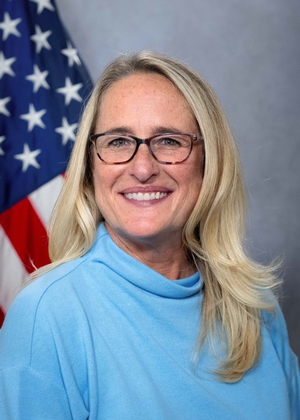 State Rep. Jacklyn Rusnock
“Today, I voted for a balanced budget with no tax increases.
“It’s long overdue, but we won the fight to prevent tax increases, invest in our schools, preserve services, help create jobs here in Berks County, support environmental projects and put money back into working Pennsylvanian’s pockets.
“Your family is already paying too much for everything. The state budget I fought for lives up to our obligations while assuring costs and fees do not continue to rise.”
Rep. Dave Zimmerman, a Lancaster County Republican
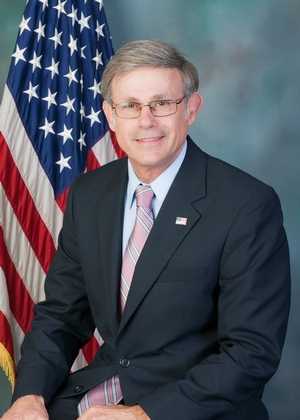 State Rep. David Zimmerman
“Today, the House voted on the General Appropriations bill and multiple code bills that determine how the money gets spent. I was disappointed with the General Appropriations bill, as it spends more than the revenue brought in last year.
“That is, simply put, bad fiscal policy. When you budget for your family, you do not plan to spend more than you earn. The government should operate in the same way.
“I did vote in favor of two budget-related bills: the fiscal code and the human services code.
“I voted for the fiscal code because it removes us from the Regional Greenhouse Gas Initiative, a regulatory agreement former Gov. Tom Wolf joined without the consent of the General Assembly. Today’s action not only makes Pennsylvania more attractive to businesses and economic development, it reasserts the authority of the people (through their duly elected representative) to make decisions.
“I also voted for the human services code as it funds essential programs like SNAP that people across the commonwealth rely on, as well as reforms to protect benefit integrity and combat fraud.”
Statements were not immediately available from state Sens. Scott Martin and Katie Muth as well as from state Reps. Mark Gillen, Johanny Cepeda-Freytiz and Eric Weaknecht.