
From Philly and the Pa. suburbs to South Jersey and Delaware, what would you like WHYY News to cover? Let us know!
In states where abortion is legal, at least 34 clinics have closed in the past two years, citing financial and operational struggles. In September, an appeals court allowed President Donald Trump’s administration to block Medicaid funds to Planned Parenthood, putting an estimated 200 health centers at risk of closing, according to the organization.
To fill in the funding gaps, states and cities nationwide have been stepping up financially to support abortion access.
Following the Dobbs decision that overturned Roe v. Wade in 2022, Philadelphia granted $500,000 to the Abortion Liberation Fund of PA, a nonprofit focused on protecting and expanding abortion rights in Philly and surrounding counties. Since then, the city has designated at least half a million dollars to reproductive health.
In September 2024, the city gave $500,000 directly to Planned Parenthood, in addition to spending $450,000 in funding to address other reproductive health care rights in the city. However, when Mayor Cherelle Parker’s budget was approved in June, that funding number dropped to zero.
Councilmember Kendra Brooks criticized the city’s decision to cut the funding at a time when women’s health care rights and access are under attack in the country. Brooks serves as chair of Philadelphia’s Reproductive Freedom Task Force, a new team established in 2024.
“In our most recent budget no money was put towards reproductive care, which is definitely problematic,” Brooks said. “Especially when other cities like Chicago, Atlanta and Baltimore are stepping up with direct city funding for abortion and reproductive care, but here in Philly we can’t even get a hearing.”
At Thursday’s City Council meeting, Brooks introduced a resolution that was approved to recognize abortion rights as human rights. Members of the Reproductive Freedom Task Force and advocates offered public comments and advocated for a hearing with the Committee on Public Health about the state of reproductive health in Philadelphia.
Katia Pérez, executive director of the Abortion Liberation Fund of Pennsylvania, spoke in support of the resolution. She explained that while the city authorized a public hearing on reproductive health in Philadelphia in September, a meeting has yet to be scheduled.
“Protecting abortion access and reproductive health care isn’t a federal issue, it’s everyone’s issue,” Pérez said.
In September, Planned Parenthood paid $45 million to cover Medicaid patients’ expenses. The organization said this spending is not sustainable. Brooks said she hasn’t heard about any clinics being forced to shut down due to financial restraints, but “there’s always a chance when there’s no funding.”
With the city’s decision not to provide funding to reproductive health care and potential clinic closures, advocates at City Council warned that there is another threat to women seeking reproductive care: crisis pregnancy centers.
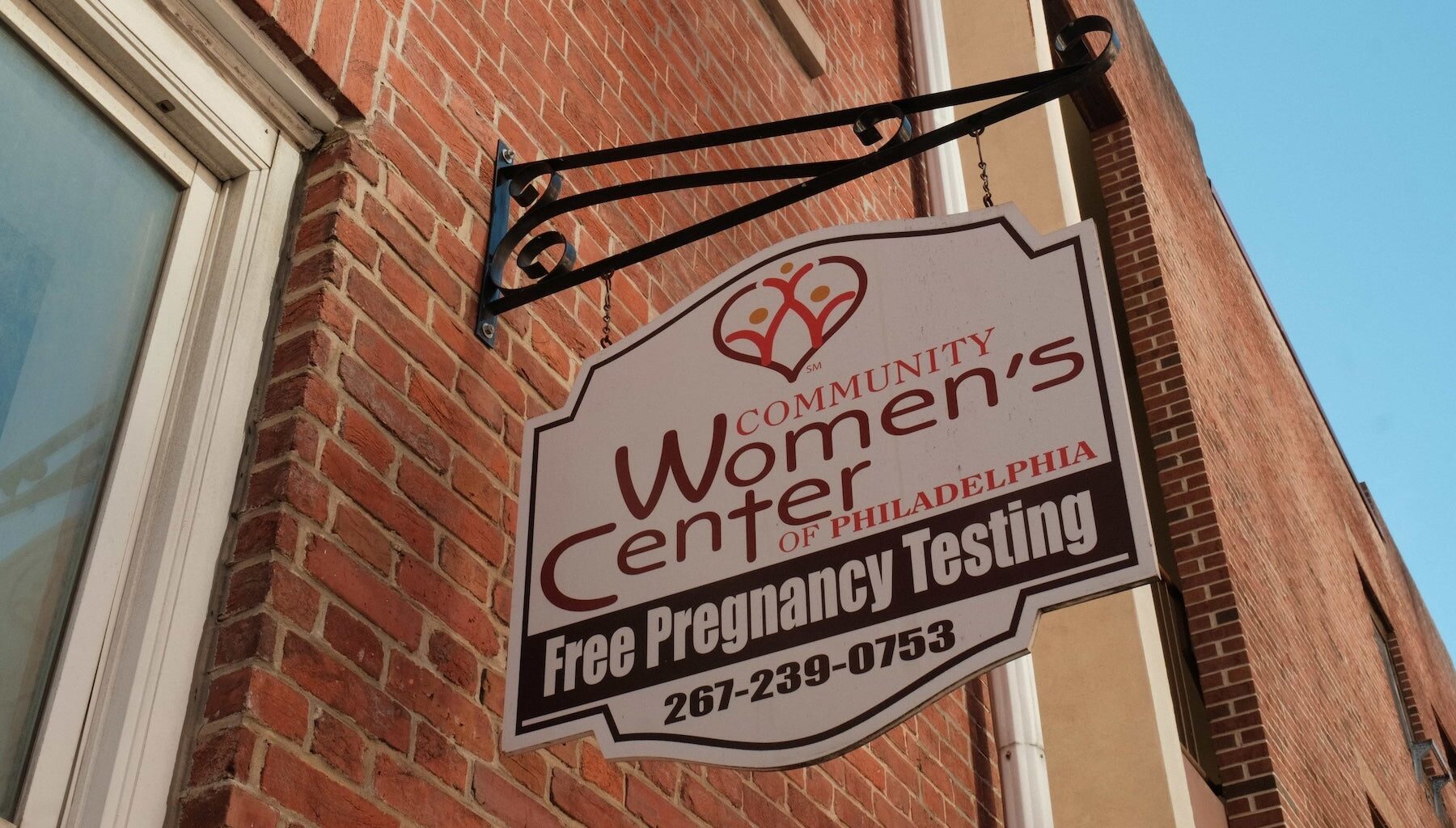
Masquerading as health centers, abortion rights advocates said that these “fake clinics” pose a threat to women seeking reproductive health care, and without financial support from the city, legitimate medical providers could be left in a precarious situation.
What are crisis pregnancy centers?
Crisis pregnancy centers, or CPCs, have been around for almost 60 years, with the first established in 1967 in Hawaii following the state’s legalization of abortion. The first record of a center in Philadelphia appeared in the late 1970s, called the Abortion, Birth Control and Pregnancy Testing Clinic.
Today, there are 2,633 crisis pregnancy centers in the United States, including 154 in Pennsylvania, the third highest in the country. Nationally, CPCs outnumber abortion providers 3-to-1. In Pennsylvania, CPCs outnumber abortion providers 9-to-1.
The objective of a crisis pregnancy center is simple — persuade a woman who comes in not to get an abortion. Across the country, centers have received hundreds of millions of dollars in private, state and federal funding to do so.
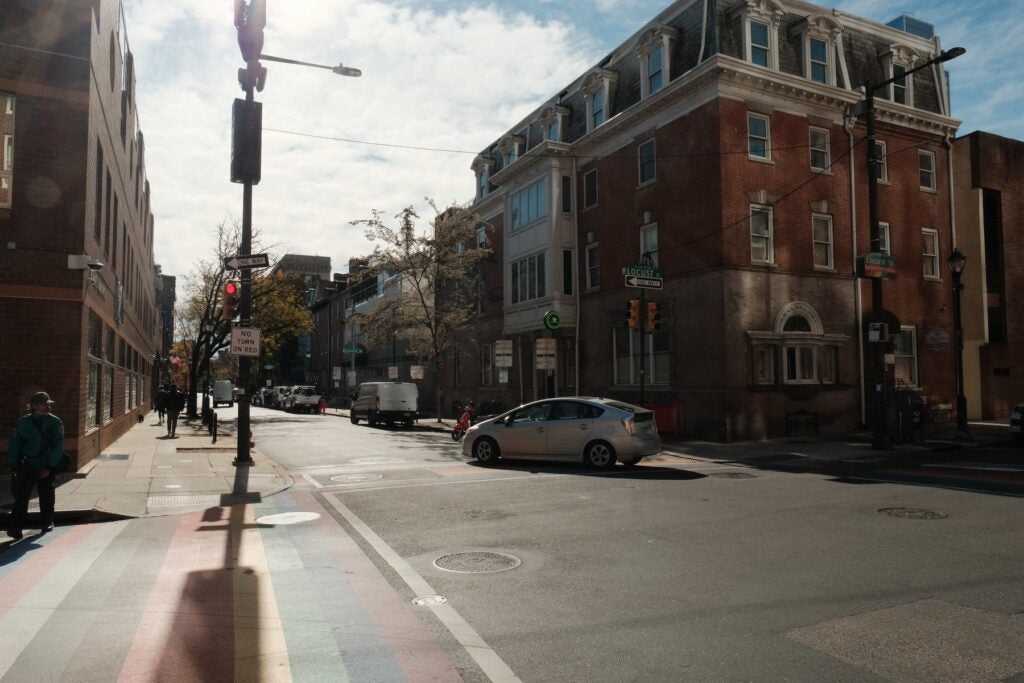 Crisis pregnancy centers are often set up near legitimate medical providers. Community Women’s Center sits directly to the right of The Elizabeth Blackwell Health Center, less than 100 feet away from Planned Parenthood’s only location that provides abortion services in the city. (Ben Bennett/WHYY)