
By Ron Klink
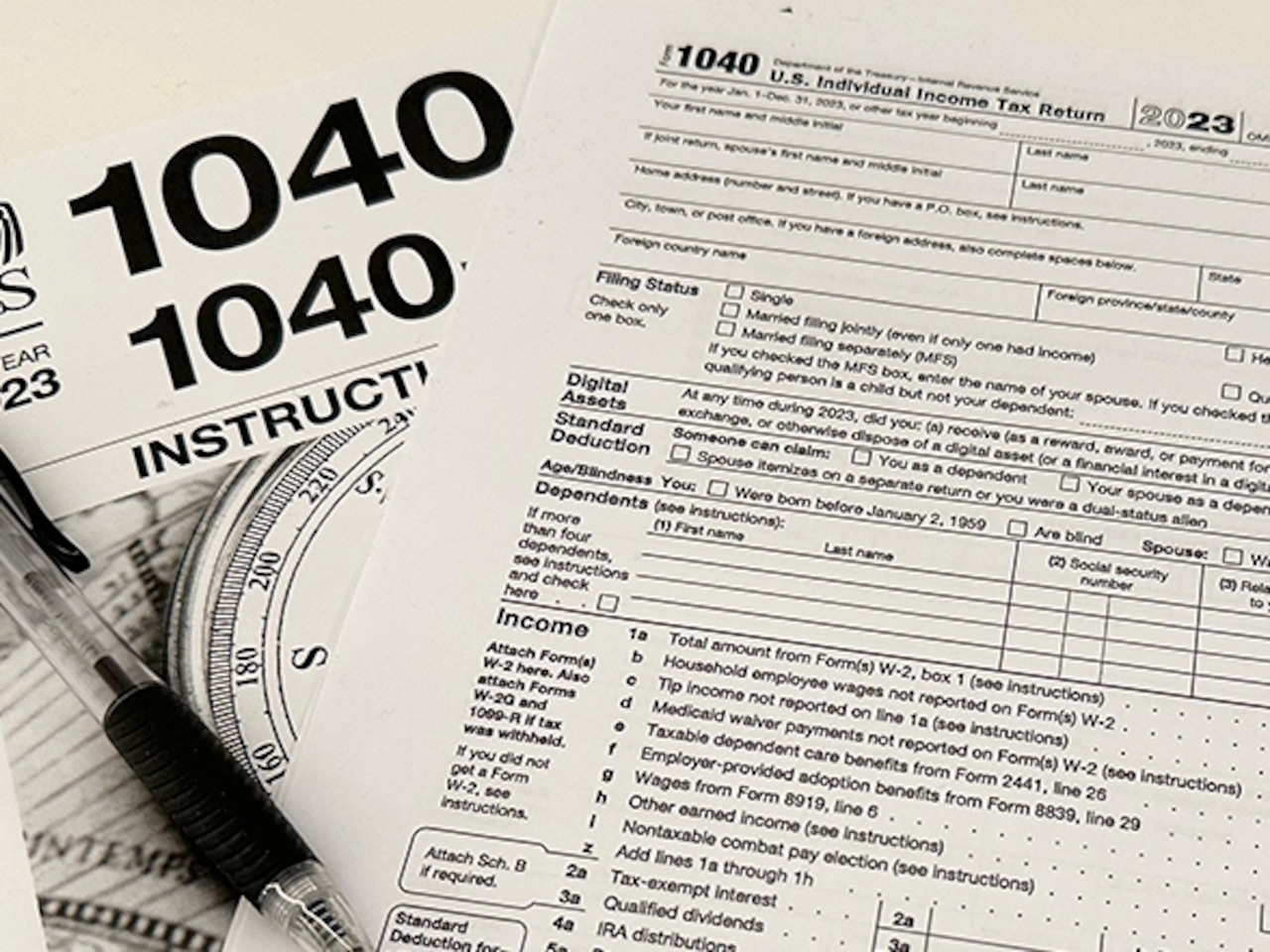
Over the last week, Pennsylvania media has been crying foul about how taxpayer costs are supposedly about to go up because the IRS just axed its Direct File program, a program started under the Biden administration that allowed Americans to have the nation’s tax collection agency prepare their taxes for free.
I disagree.
Ending Direct File was one of the smartest moves the IRS has made in years — and it’s exactly the kind of reform we should be encouraging if we want a simpler, fairer, and more efficient tax system.
When I served in Congress, much of my time was devoted to taxes. More specifically, who should pay how much – and how to simplify the process of figuring out what to pay. Those concerns haven’t gone away and probably never will.
With Pennsylvania’s flat 3.07 percent income tax layered on top of federal levies, property taxes that are among the highest in the nation, and a sales tax that reaches 8 percent in some counties, residents often see their paychecks shrink faster than a glacier in July. Add in the maze of local wage taxes and the average family gives up more than a third of its earnings before buying groceries.
No wonder the Keystone State’s out-migration increased again last year; for too many, the cost-of-living numbers just don’t add up.
But when Pennsylvanians talk about taxes, the agency that receives most of their blame is not state politicians but the IRS. Frustration with the agency cuts across the political spectrum, and those frustrations are likely to deepen as the agency’s workforce has dropped about 25 percent this year alone, to just 76,000 employees.
I understand that frustration. But we should also recognize that the IRS has been asked to do too much with too little. Its technology is decades old, its staff is shrinking, and its responsibilities have only grown.
Against that backdrop, the agency’s recent decision to shut down its short-lived Direct File program was actually a rare case of good judgment.
The idea for Direct File was to let taxpayers file directly through the IRS rather than using private software. But the program never caught on—only about 0.3 percent of eligible taxpayers used it. It was also expensive: preparing each return cost the IRS $225 during testing and $138 last year, not counting all the staff time to develop and manage it.
Worse, the program was flawed. Direct File failed to allow taxpayers to claim their Educational Tax Credit, causing some residents to pay more than they owed. And it didn’t even cover many taxpayers who needed it most—such as the 1.1 million small business owners across the state or anyone who itemized deductions.
By ending Direct File, the IRS acknowledged an important truth: it doesn’t need to reinvent tax preparation. It just needs to focus on what already works—like the Free File Alliance, a public-private partnership between the IRS and private tax preparation companies that’s been helping Americans file online for free for more than two decades.
For over 20 years, Free File has assisted taxpayers in preparing and electronically filing their taxes online for free to any Pennsylvanian making less than $79,000. It has been used by 65 million people nationwide.
Free File offers the same basic service as Direct File, but with one critical difference: it makes use of the expertise of private-sector companies that specialize in tax software power the system. These firms already use their programs every day to serve millions of paying customers, ensuring accuracy, compliance, and that taxpayers receive every deduction and credit they’re entitled to. They act as advocates for taxpayers—helping them navigate complex laws—rather than compliance enforcers (like the IRS) whose job is to collect as much revenue as possible.
The IRS’s job is not to compete with the private sector but to make sure the tax system works for everyone. That means improving its core technology (some of which still dates to the 1960s), upgrading customer service, and supporting proven partnerships that expand access without adding bureaucracy.
The more the IRS begins to recognize this and rein in its focus — zeroing in on its strengths and empowering the private sector to do what it does best — the more the agency will boost its popularity while making the tax system fairer, simpler, and more efficient.
That’s something every Pennsylvania taxpayer looks forward to seeing.
Ron Klink is a former Democratic member of Congress from Pennsylvania. He served on the Financial Services Committee.
If you purchase a product or register for an account through a link on our site, we may receive compensation. By using this site, you consent to our User Agreement and agree that your clicks, interactions, and personal information may be collected, recorded, and/or stored by us and social media and other third-party partners in accordance with our Privacy Policy.