
The world didn’t suddenly turn beige. We painted over everything that once had a soul.
Have you ever walked into a building, home or public space that felt empty? There’s plenty of furniture and even some decor, but for some reason, you’re feeling as if you’re in a hospital room. These sterile-feeling spaces can be attributed to the modern, minimalist style recently adopted by trending culture.
The term “sad millennial beige” perfectly encapsulates this switch to bare, uniform expression. With muted tones of grays, browns and tans, it became trendy to tone down the joy and original features of your home. The idea stems from straying from overconsumption while portraying a clean, neat lifestyle to the public. Television shows that remodel houses often remove stained glass, painted walls and every last piece of character that differentiates one home from the next.
What seems outdated and old for some creates life and charm for others. The standardized white walls and cabinets, tan empty furniture and minimalist, yet perfectly selected, art have removed the characteristics that make each home special. My favorite example of historic detail is Victorian-era dust corners, usually installed on stairs in order to keep the dust from accumulating in deep crevices and making it easier to sweep up. It’s little aspects like these that are not only useful but give original beauty to homes.
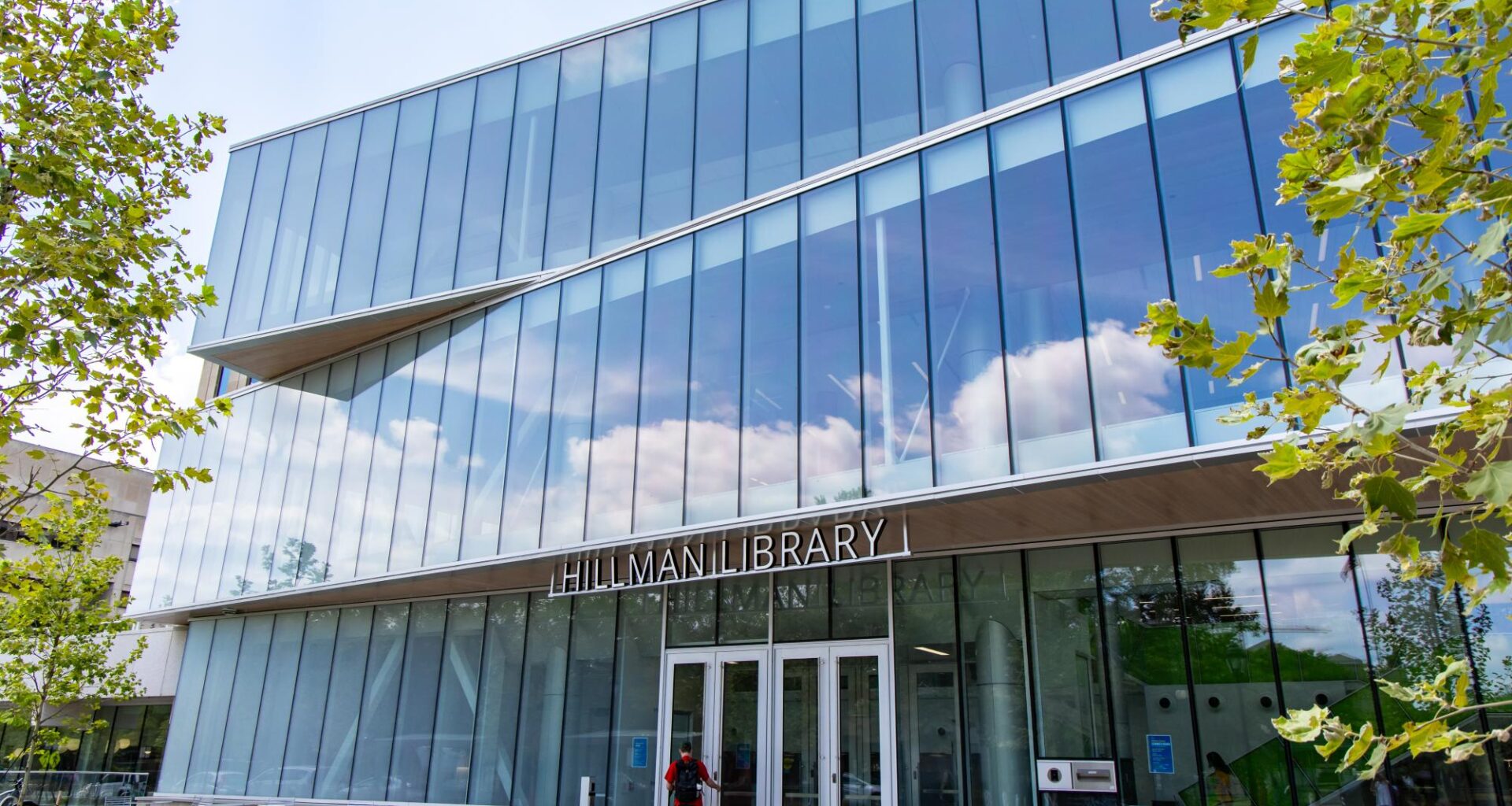
The death of detail has run rampant, even reaching its claws to Pitt’s campus. Hillman Library used to have wooden walls, desks and chairs. With green furniture, plants and picture frames strung about, the look gave the space a colorful and vibrant feel. Now, Hillman follows a similar color palette to sad millennial beige, with white being overbearingly bright wherever you look. The chairs and tables are black, and the building has accents of grey, but even if you’re able to find color, the fluorescent lighting surely overpowers any individual expression.
This lack of originality has also made its rounds beyond architecture and home decor. The arts and media have slimmed down our perception of originality. Artistic care and attention to detail have been wiped through the use of generative AI. While there are still many people who do not support artificial intelligence, others use it to generate creative works, such as essays, thus eliminating the potential for an artistic, authentic piece of art. Films have also lost detail in the high-quantity, low-quality aspects of constant remakes for a quick buck. Fashion has lost individuality in the constant trending items, reshaped every few months into a new fad.
A lot of young influencers follow the “sad beige” style, with the concept being rebranded into “the clean girl aesthetic” — same idea, different packaging. If you’re a “clean girl,” you present yourself in such a way that tells the world you are effortlessly elegant and do an excellent job at living as an adult — you clean your house so often it looks spotless, empty and perfect. The concept of detail removal has leached its way into actual personality traits, each person striving to be just like everyone else. Trending culture reflects society’s need to fit in and chips away at individuality until we all become a monocultural vanilla mess of nothingness.
The call to accept ourselves for who we are has been suppressed through the loss of detail. It starts small, with the purchase of something uniform and trending, but it will soon spiral into house remodels of empty space. If we cannot bring intention and care back into self expression in our everyday lives, then we can no longer be defined by what we hold close.
It may start with a paint color, but what is stopping dulled monoculture from bleeding into our morals and personal values?
When we erase detail, we erase proof that someone cared. Maybe the answer is choosing intention over convenience before we delete the human hand forever.
Faith Richardson likes to write about student life, the arts and the media. Email her at [email protected]