
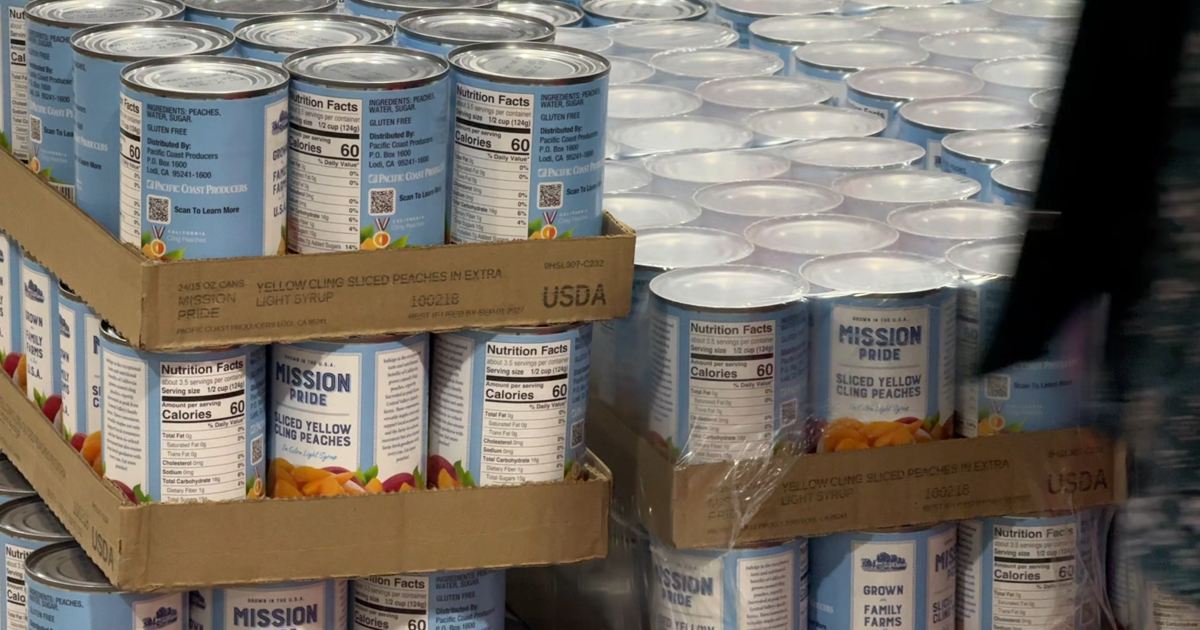
Pennsylvania’s new state budget increases funding for food banks– recognizing higher demand for these community organizations.
The budget increases food bank funds by 15%, or $4 million dollars. The State Food Purchase System got a $3 million increase. A program that lets food banks buy food produced in Pennsylvania– the PA Agricultural Surplus System– got a $1 million increase.
Food insecurity has generally been increasing in the state– but the past few months brought unique challenges.
The late state budget forced food banks to spend down reserves.
Then, while already in a financially strained position, SNAP benefits were delayed in the start of November because of the federal government shutdown. Some recipients had their benefits delayed by a week.
With the government food assistance unsure, SNAP recipients looked for other ways to help with groceries. Feeding Pennsylvania says their 10 regional food banks saw a 25-40% increase in food demand. The Central PA Food Bank saw a 67% increase in food bank participants who also receive SNAP benefits.
Governor Josh Shapiro did approve $5 million in emergency funds to off set the sudden influx, and helped fundraise $2 million in private donations. With the 2025/26 state budget passed, food banks will receive reimbursements and backpay for any state program related purchases.
“They weathered the storm but are still weathering the storm,” said Julie Bancroft, CEO of Feeding Pennsylvania. “I don’t think because the government reopened that the crisis is necessarily over… maybe not as intense as it was.”
Feeding Pennsylvania says two trends have emerged from the SNAP benefit delay this month. SNAP recipients coming to food banks say their trust in the federal program has been shaken, which could lead to heavier reliance on food banks.
Additionally, some SNAP recipients say they were barely scraping by on their benefits. When they connected with food banks because of the benefit delay, some realize they can keep relying on both for their monthly groceries.
Charitable food organizations expect a permanent increase in food bank use because of these shifts.
In addition, Bancroft says work requirement changes to SNAP in the Trump Administration’s Big Beautiful Bill went into effect in September. Bancroft says the administrative shift could lead to less people being on the SNAP program, and in turn, those people could seek help from food pantries.
These changes compounded with the generic rise in food insecurity from cost of living prices will keep food banks busy and financially strained– even with state spending increases.
Bancroft says its as important as ever for people to check in on their community food programs. Donations of physical food items can be helpful for local food pantries, that actually distribute food to those in need.
Monetary donations are helpful for food banks, who take advantage of buying and negotiating large purchases of food to get reduced prices.