
NEEDED MONEY. ACCORDING TO THE SPECIAL REPORT RELEASED BY THE CITY CONTROLLER’S OFFICE, THE STATE OF THE CITY’S VEHICLE FLEET IS NOT WHERE IT NEEDS TO BE. AND IF SOMETHING DOESN’T CHANGE SOON, THE RIPPLE EFFECTS WILL BE FELT BY EVERYONE. THE FLEET IS OLD. IT’S GETTING OLDER, AND THE LONGER WE WAIT TO ADDRESS THE PROBLEM, IT’S GOING TO GET MORE EXPENSIVE. CITY CONTROLLER RACHEL HEISLER RAISING THE ALARM ON THE STATE OF PITTSBURGH’S FLEET. AND THIS ISN’T JUST PUBLIC WORKS VEHICLES. THIS IS INCLUDING POLICE CARS, FIRE TRUCKS, AND AMBULANCES. ACCORDING TO THAT SPECIAL REPORT, OUT OF THE 1339 CITY VEHICLES, 105 ARE DECOMMISSIONED, 430 OF THEM ARE AT LEAST TEN YEARS OLD, AND ALMOST HALF ARE ESTIMATED TO HAVE EXCEEDED THEIR LIFE CYCLES. IF NOTHING IS ADDRESSED IN THE NEXT FIVE YEARS, THAT NUMBER WILL THEN JUMP TO 87%. THE REPORT GAVE SOME RECOMMENDATIONS TO HELP FIX THIS PROBLEM, LIKE CREATE A FRONTLINE FLEET TRUST FUND, WHICH WOULD ENCOURAGE VOLUNTARY PAYMENTS FROM THE AREA’S LARGEST NONPROFITS. THE FUND WILL GO TOWARDS EMS AND FIRE VEHICLE REPLACEMENTS. MAYOR ELECT COREY O’CONNOR SAYS THAT CONVERSATION IS POSSIBLE, BUT IT MUST BE CLEAR. YOU KNOW, IF WE’RE GOING TO GET PEOPLE TO SIT AT THE TABLE, WE CAN’T GET THEM TO FILL IN BUDGET GAPS FROM A MISTAKE THE CITY MADE 3 OR 4 YEARS AGO. WE HAVE TO GET THEM TO TO FIT THEIR MISSION. WE DID REACH OUT TO SEVERAL NONPROFITS TO GET THEIR THOUGHTS ON THE RECOMMENDATION. UPMC DID GET BACK TO US AND GAVE US THE FOLLOWING STATEMENT, SAYING IN PART, THE CITY CAN COUNT ON OUR FULL PARTICIPATION IN PROGRAMS THAT ARE FAIR AND EQUITABLE AND INCLUDING THE REGION’S OTHER MAJOR NONPROFITS. THE REPORT ALSO GAVE A RECOMMENDATION TO CREATE AN ANNUAL FLEET REPORT TO UPDATE COUNCIL ON THE STATUS OF THE FLEET, AND WHERE FUTURE FUNDS WOULD NEED TO BE ALLOCATED. COUNCIL MEMBER BOBBY WILSON ACTUALLY RECOMMENDED THE REPORT EARLIER THIS YEAR, WHERE COUNCIL MEMBERS MET TO DISCUSS THAT REPORT LAST MONTH. BUT FOR NOW, COVERING A
‘The fleet is old, it’s getting older’: Report details state of Pittsburgh’s vehicle fleet

Updated: 6:27 PM EST Nov 19, 2025
Pittsburgh’s City Controller, Rachael Heisler, has raised concerns about the aging state of the city’s vehicle fleet, warning that if the issue is not addressed soon, people will start feeling the ripple effects. “The fleet is old, it’s getting older. And the longer we wait to address the problem, it’s going to get more expensive,” Heisler said. The fleet includes essential vehicles such as police cars, fire trucks, and ambulances. A special report revealed that out of 1,339 city vehicles, 105 are decommissioned, 430 are at least 10 years old, and almost half are estimated to have exceeded their life cycles. If no action is taken in the next five years, 87% of the fleet could be outdated. The report recommended creating an annual fleet report to update the council on the fleet’s status. The other solution was establishing a Frontline Fleet Trust Fund to encourage voluntary payments from the area’s largest nonprofits for EMS and fire vehicle replacements.Mayor-elect Corey O’Connor acknowledged the need for clear conversations with nonprofits, stating, “If we’re going to get people to sit at the table, we can’t get them to fill in budget gaps for mistakes the city made three or four years ago. We have to get them to fit their mission.”Councilman Bobby Wilson, who helped create an annual fleet report, emphasized the urgency of the situation. “If we go another year without having some sort of, you know, commitment from nonprofits to help our city in some way to fill some gaps that we have, then unfortunately, we’re going to have to figure out, you know, different ways to fund this, because ultimately, it’s not good for anyone,” Wilson said.Pittsburgh’s Action News 4 reached out to several nonprofits about this report.In response to the recommendations, UPMC released the following statement: “UPMC plays a critical role in strengthening Pittsburgh’s emergency response capabilities through operational coordination, clinical expertise, and community partnerships. These efforts ensure rapid, effective care during emergencies and enhance public safety across the region. Through these initiatives, UPMC ensures that Pittsburgh’s emergency services are equipped with cutting-edge resources, expert guidance, and community-focused programs—strengthening resilience and saving lives.The statement continued, saying, “UPMC looks forward to working in a collaborative and constructive manner with the O’Connor administration to advance the health and well-being of our communities. UPMC remains committed to being a strong partner in building a vibrant, accessible and thriving Pittsburgh. The City can count on our full participation in programs that are fair and equitable and include the region’s other major nonprofits.”
PITTSBURGH —
Pittsburgh’s City Controller, Rachael Heisler, has raised concerns about the aging state of the city’s vehicle fleet, warning that if the issue is not addressed soon, people will start feeling the ripple effects.
“The fleet is old, it’s getting older. And the longer we wait to address the problem, it’s going to get more expensive,” Heisler said.
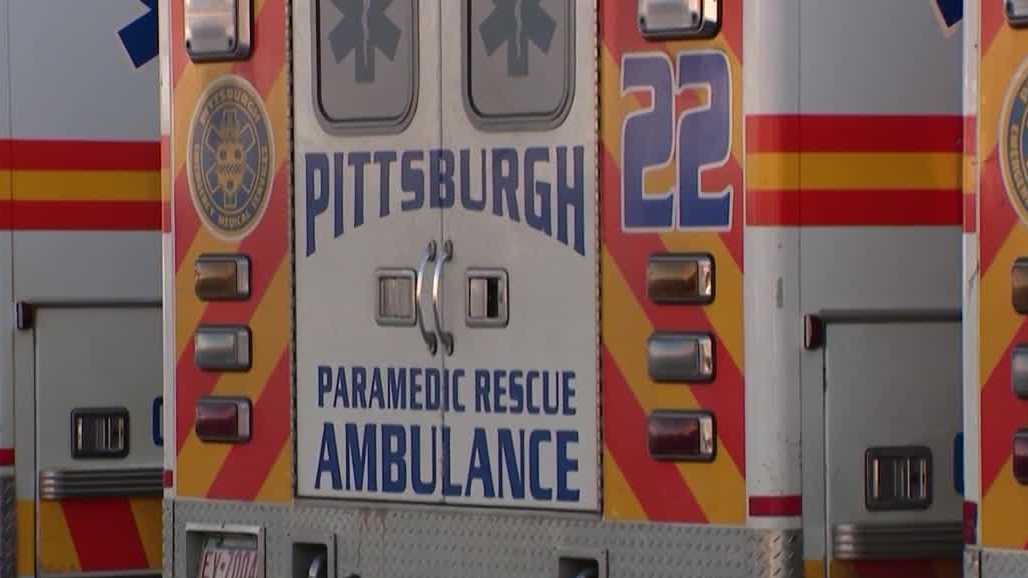
The fleet includes essential vehicles such as police cars, fire trucks, and ambulances.
A special report revealed that out of 1,339 city vehicles, 105 are decommissioned, 430 are at least 10 years old, and almost half are estimated to have exceeded their life cycles.
If no action is taken in the next five years, 87% of the fleet could be outdated.
The report recommended creating an annual fleet report to update the council on the fleet’s status.
The other solution was establishing a Frontline Fleet Trust Fund to encourage voluntary payments from the area’s largest nonprofits for EMS and fire vehicle replacements.
Mayor-elect Corey O’Connor acknowledged the need for clear conversations with nonprofits, stating, “If we’re going to get people to sit at the table, we can’t get them to fill in budget gaps for mistakes the city made three or four years ago. We have to get them to fit their mission.”
Councilman Bobby Wilson, who helped create an annual fleet report, emphasized the urgency of the situation.
“If we go another year without having some sort of, you know, commitment from nonprofits to help our city in some way to fill some gaps that we have, then unfortunately, we’re going to have to figure out, you know, different ways to fund this, because ultimately, it’s not good for anyone,” Wilson said.
Pittsburgh’s Action News 4 reached out to several nonprofits about this report.
In response to the recommendations, UPMC released the following statement:
“UPMC plays a critical role in strengthening Pittsburgh’s emergency response capabilities through operational coordination, clinical expertise, and community partnerships. These efforts ensure rapid, effective care during emergencies and enhance public safety across the region. Through these initiatives, UPMC ensures that Pittsburgh’s emergency services are equipped with cutting-edge resources, expert guidance, and community-focused programs—strengthening resilience and saving lives.
The statement continued, saying, “UPMC looks forward to working in a collaborative and constructive manner with the O’Connor administration to advance the health and well-being of our communities. UPMC remains committed to being a strong partner in building a vibrant, accessible and thriving Pittsburgh. The City can count on our full participation in programs that are fair and equitable and include the region’s other major nonprofits.”