
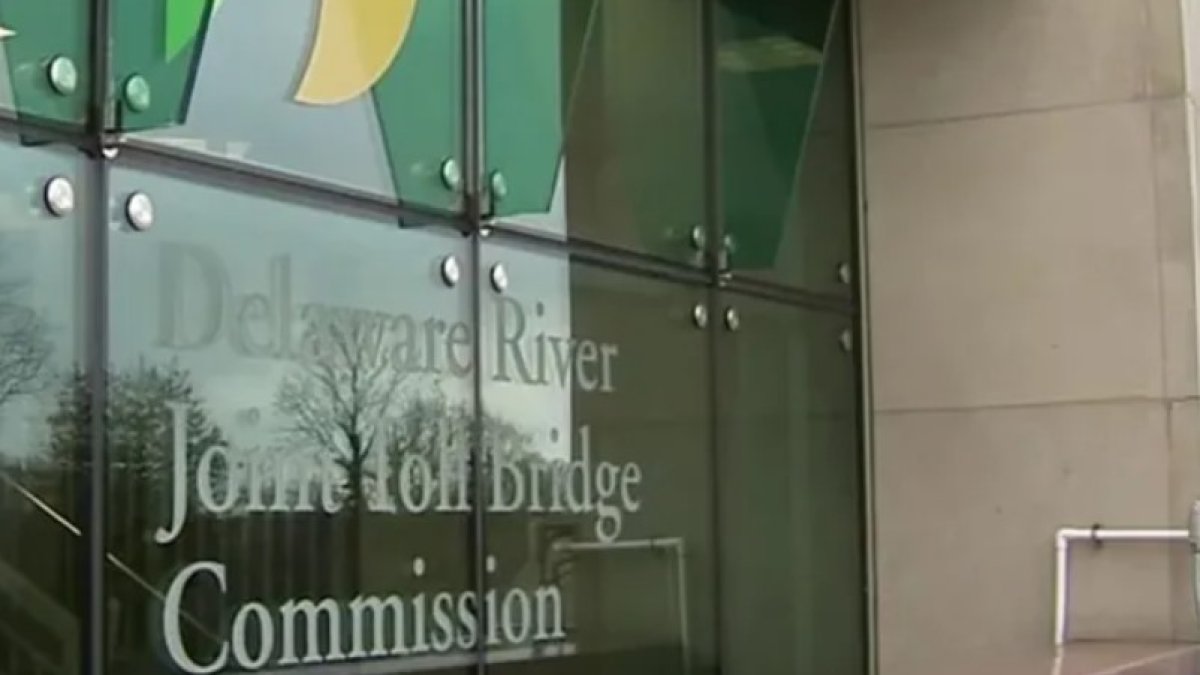
Drivers who travel between Pennsylvania and New Jersey should be alert that, come next year, eight toll bridges between the two states will see rate hikes.
The Delaware River Joint Toll Bridge Commission, on Thursday, announced that all eight of the commission’s toll bridges would see rate hikes after the organization approved a new toll rate structure for 2026.
No firm start date has yet been announced. Instead, the commission said, in a statement on the toll rate hikes, that a specific date would be a announced in December, but the new tolls are expected to take effect on or about Jan. 1, 2026.
The eight toll bridges impacted by the rate hike are:
Trenton-Morrisville (Route 1)
Scudder Falls (I-295)
New Hope-Lambertville (Route 202)
I-78
Easton-Phillipsburg (Route 22)
Portland-Columbia (Routes 611, 46, and 94)
Delaware Water Gap (I-80)
Milford-Montague (Route 206).
For passenger vehicles that have E-ZPass, rates will go up by 50 cents — from $1.50 to $2 — but, for those without the payment system, toll-by-plate tolls for passenger vehicles will jump from $2 to $5.
For toll-per-axle vehicles, which are above eight feet in height, tolls would increase by $2 per axle. So, rates would climb from $4.50 per axle to $6.50 per axle for drivers with E-ZPass.
Without E-ZPass these types of vehicles would be hit with a $3 rate hike to $8-per-axle from a previous rate of $5-per-axle.
The commission said that the toll hikes were necessary to “finance transportation-infrastructure projects and improvements, offset rising construction-industry costs, and maintain favorable borrowing rates in the municipal bond market.”
In a statement, Executive Director of the commission, Joseph J. Resta, said that the toll changes were considered “in the wake of financial-metric-projections that show the Commission risks falling short in key areas – General Fund Reserve Balance and Debt Service Coverage Ratio – in future years.”
The commission noted, in a statement that bond-rating firms regularly use these indices to determine the stability and credit worthiness of public agencies.
Also, according to a statement from the commission, these rate hikes were initially proposed in July and a public commenting period had allowed motorists and residents to provide input into the proposal earlier this year.