
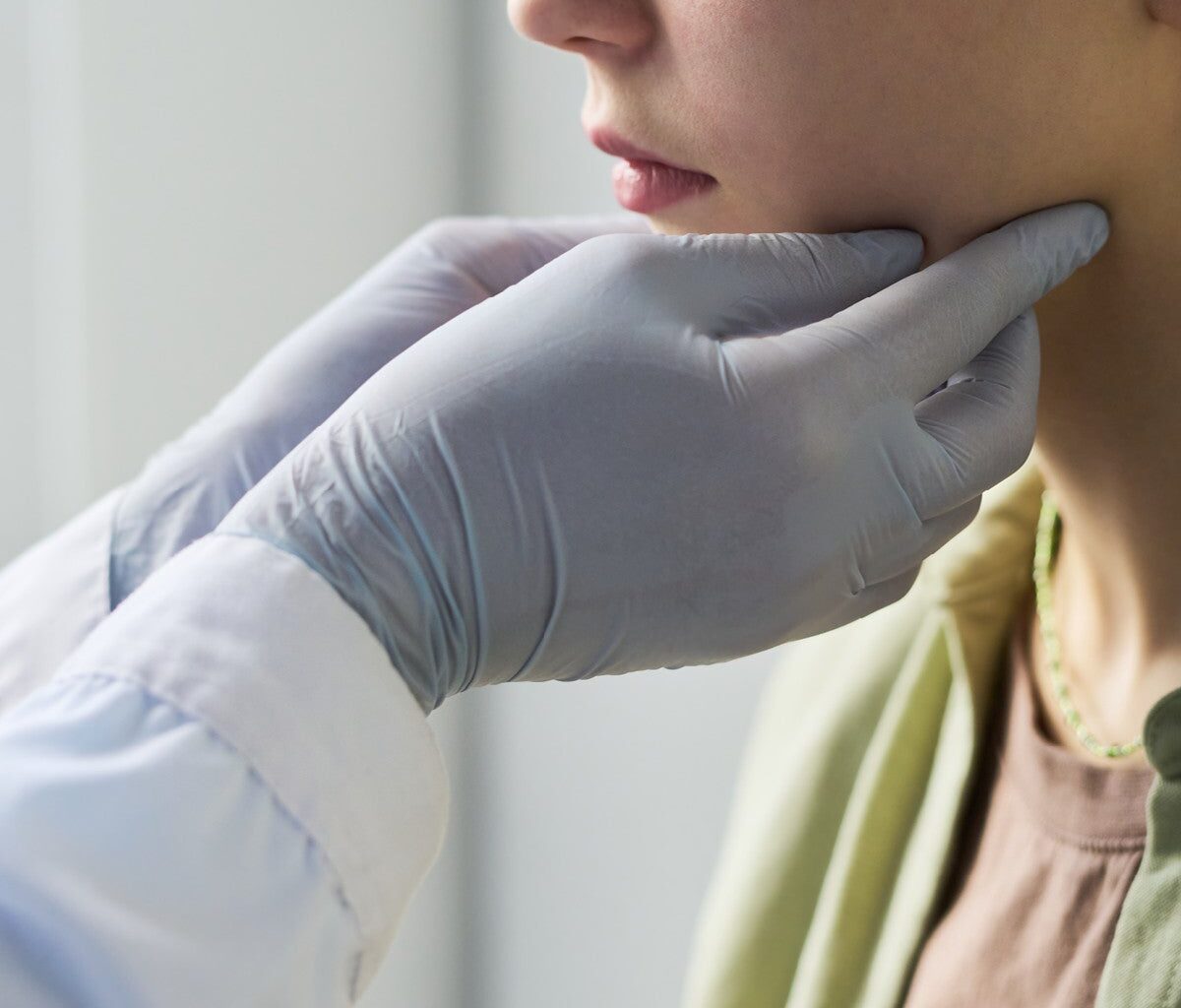
Dr. Chung notes that there aren’t definite symptoms for thyroid cancer. One may be small, painless lumps called nodules in the front of the neck. “If something is affecting your breathing, making swallowing difficult, there’s neck swelling or your voice changes, you need to be evaluated by your clinician,” she says.
Diagnosis can involve a physical exam, thyroid function blood tests, ultrasound imaging, a biopsy of the nodule, imaging with radioactive tracing and genetic testing. Information from the tests is used to determine the extent of the cancer and assign a stage. The cancer’s stage provides information about the likely course of the disease and helps the care team in selecting the treatment.
Treatments for thyroid cancer might include surgery, chemotherapy or radiation, then hormone therapy afterward. “When the treatment is surgery, we either remove the entire thyroid gland or a portion of it,” Dr. Chung says. “When the thyroid is removed, the body gets adjusted with thyroid hormone therapy. This replaces or supplements the hormones produced in the thyroid.”
“For papillary thyroid cancer or follicular thyroid cancer, radioactive iodine therapy may be part of the treatment plan,” says radiation oncologist Alyson McIntosh, MD, with the Cancer Institute. “It’s a type of nuclear medicine that destroys any thyroid tissue that couldn’t be removed with surgery. It can also treat thyroid cancer that’s spread to the lymph nodes and other parts of the body.
“Chemotherapy, radiation to the neck and targeted therapy are only used very rarely for very advanced cases, when surgery is no longer a viable option,” Dr. McIntosh says.