
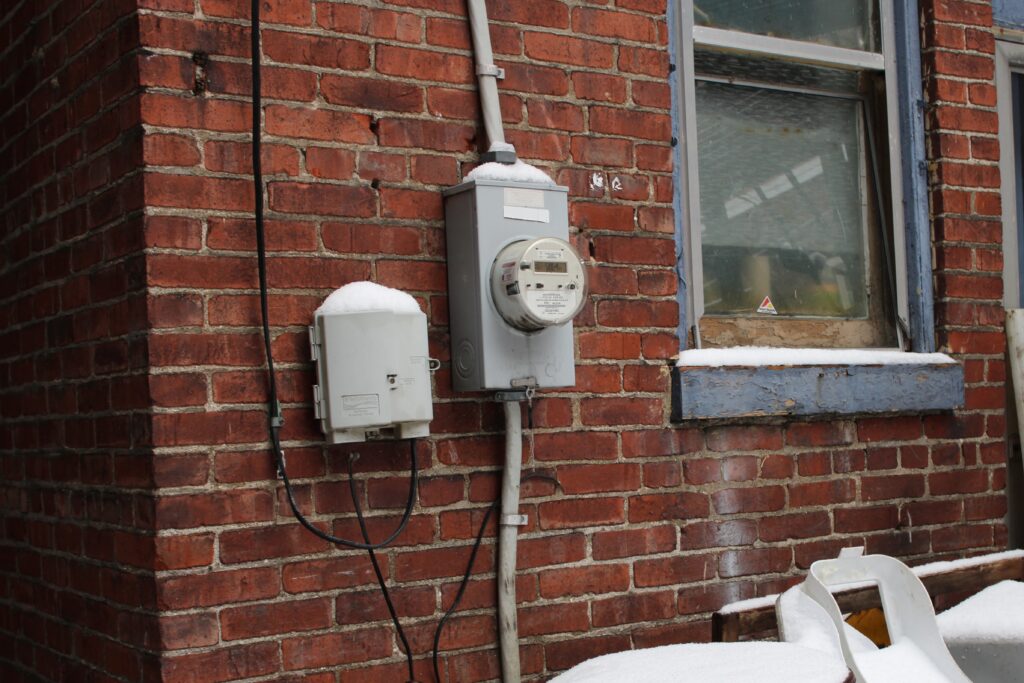
Applications for energy assistance grants, used by more than 300,000 Pennsylvanians annually, open Wednesday. (Whitney Downard/Pennsylvania Capital-Star)
As Pennsylvanians pull out their snow gear and shovel walkways for the first time this season, the state is set to begin accepting applications for its Low-Income Home Energy Assistance Program on Wednesday.
The state Department of Human Services usually opens applications in November, but delayed LIHEAP when it hadn’t received funds due to the longest federal government shutdown in history. The federally funded program received $229 million in 2024, which helps offset heating bills for more than 300,000 Pennsylvanians.
The Trump administration distributed funds under the block grant last week. Applications for LIHEAP will be open until April 10, 2026.
“Pennsylvanians deserve the safety and health benefits that come from being able to heat their homes and keep themselves and their families warm through the winter,” said Human Services Secretary Val Arkoosh in a statement. “LIHEAP helps hundreds of thousands of Pennsylvanians each year by providing cash and crisis grants directly to the eligible household’s utility company or heating fuel provider, and I am very glad that we are finally able to begin this important work.”
Awards range from $200 to $1,000, though the average benefit in 2024 was $336. To qualify for the one-time grant, individuals and families must make at or below 150% of the federal poverty level — or $22,590 for an individual and $46,800 for a family of four.
Separately, Pennsylvanians may qualify for LIHEAP crisis grants up to $1,000 if they’re at risk of getting their heating service terminated or have less than two weeks’ worth of deliverable fuel, which includes oil, propane, coal or wood.
The state’s moratorium on heating and electricity disconnections started in November and lasts until March 31. That moratorium applies to families making up to 250% of the federal poverty level, or $39,125 for an individual and $80,375 for a family of four.
Families still have to pay their winter bills in the spring, potentially with the assistance of LIHEAP. The moratorium doesn’t include households using deliverable fuels or those getting energy from rural electric cooperatives and municipal utilities because they aren’t regulated by the state Public Utility Commission.