
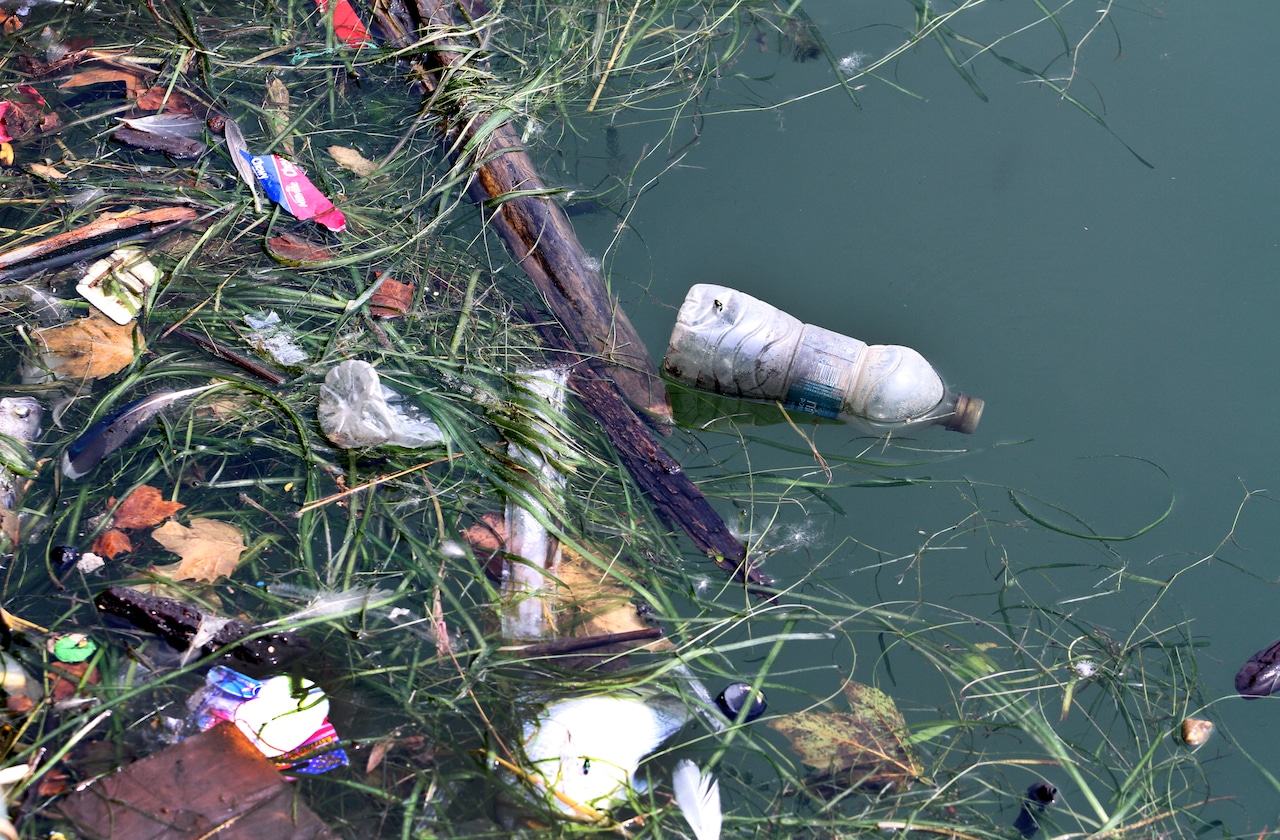
CLEVELAND, Ohio – A 2024 sampling of surface water on Lake Erie suggests the volume of plastic pollution in Ohio’s Great Lake has soared over the last ten years.
Increases were reported across several locations that were surveyed in July of 2014 and again in July of 2024.
A number of factors may have contributed to the increases, said researcher Sherri Mason, who initially expected mixed results because she couldn’t account for certain factors, such as lake conditions.
Increases across the board, however, suggested to her that indeed plastic use has gone up over the years, despite warnings to humans about its harmful impact on the environment.
Here are some key points from the original article about Mason’s findings:
1. Plastic particle counts have soared across Lake Erie
In 2014, Mason conducted a survey of several sites on the lake to determine how much plastic was floating on the surface. She conducted a similar survey in 2024 that included five of the same sites ten years prior. Dramatic increases were recorded at all five sites, especially in the two that were furthest east on the lake.
2. The eastern part of the lake shows the most dramatic increases
While plastic counts roughly doubled to 98,000 particles per square kilometer near Cleveland, the increases were far more extreme closer to Buffalo. Researchers noted this is consistent with the lake’s current, which flows eastward.
Near the Pennsylvania coast, particle counts surged from 19,000 per square kilometer in 2014 to over 700,000 in 2024. Similarly, in waters off Long Point, Canada, the numbers jumped from 9,500 to more than 500,000 particles in the same period.
3. Most of the pollution consists of tiny microplastics
The vast majority of the surface plastic collected was identified as microplastics, which are particles about the size of a grain of rice or smaller. These tiny pieces are usually the result of larger plastic items—such as grocery bags, bottles, and food packaging—breaking down over time due to exposure to the elements. Mason noted that the region’s cold winters contribute to this process by making plastics more brittle and likely to fragment.
4. Intensifying storms and the COVID-19 pandemic are likely contributors
Experts point to several factors for the increase in plastic pollution. More intense and frequent rainstorms wash larger plastic items from land into the lake. Another contributor is “atmospheric deposition,” where microplastics floating in the air are brought down by rain. Researchers also suggest the COVID-19 pandemic likely exacerbated the problem due to the mass production and disposal of plastic masks, gloves, and other single-use personal protective equipment.
5. The true extent of pollution is likely worse than surface samples show
The research, which involved skimming the lake’s surface with a trawling net, captures only a fraction of the total pollution. Scientists believe that the concentration of plastics is even higher in the sediment at the bottom of the lake. Over time, organisms and slime build up on plastic particles, increasing their density and causing them to sink, Mason said. This means the surface-level data, while alarming, likely underestimates the full scale of plastic contamination in Lake Erie.