
After a family was evicted from their home in Bethlehem because they were unable to pay rent, Duvon Cano used his own truck and spent 10 hours moving their belongings to a new home on the South Side.
Cano is a tenant advocate who works for Community Action Lehigh Valley in Bethlehem. He assists families facing housing struggles daily amid a citywide housing crisis.
In Bethlehem, 11.3% of residents live below the poverty line. 97% of housing units are occupied compared to Pennsylvania’s 91% average, according to Census data. Additionally, the city’s median gross rent is $1,520 — higher than the state’s estimated median rent of $1,252, according to Census data.
The City of Bethlehem is seeking to expand accessible and affordable housing options to address the crisis Cano helps to fix.
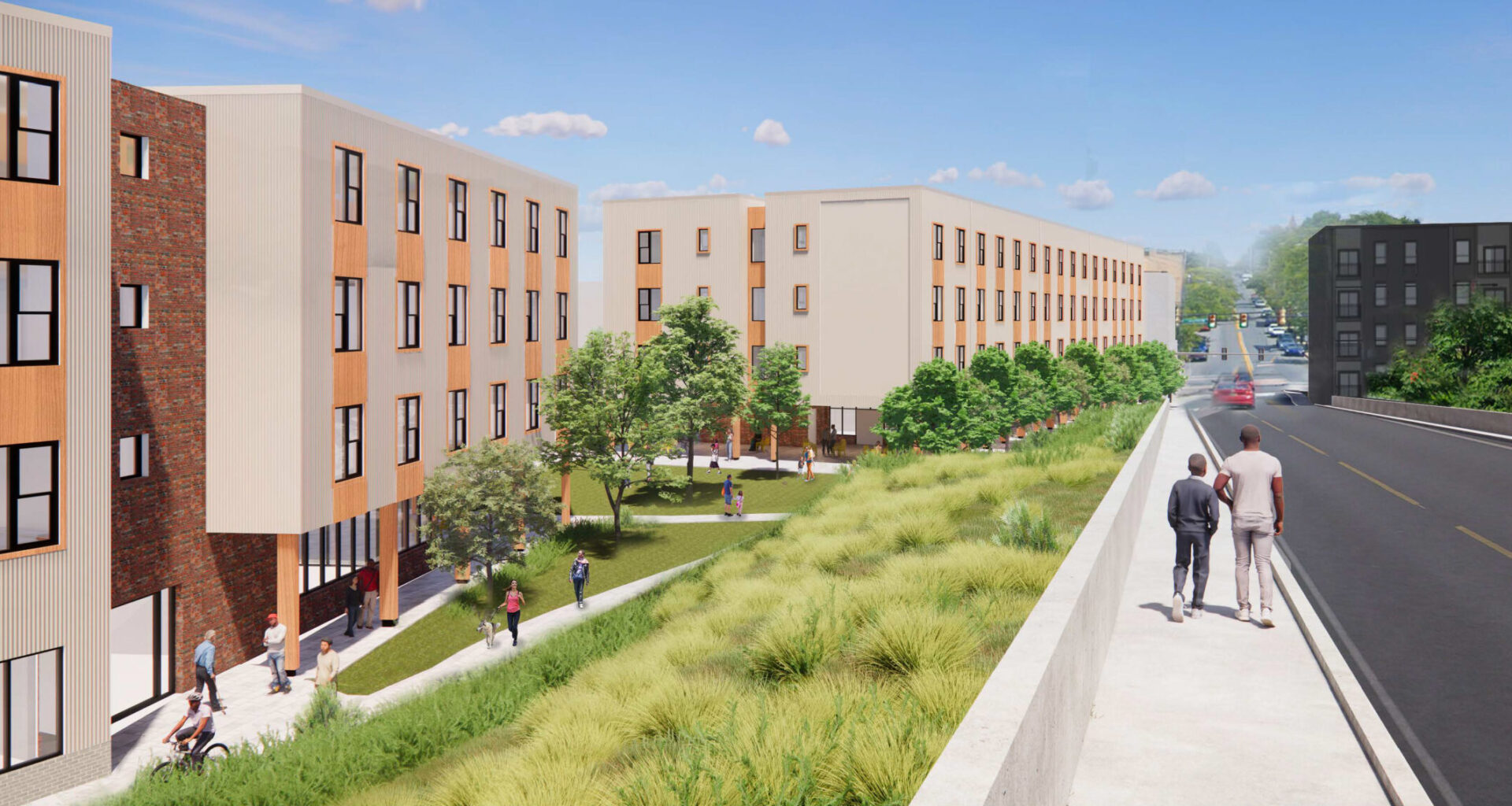
Kerry Wrobel, the president of the real estate developer Lehigh Valley Industrial Park, said the city recently received $16 million in funding from the Pennsylvania Housing Finance Agency to begin constructing The Gateway, an affordable housing development planned for the South Side.
He said Lehigh Valley Industrial Park is partnering with the city and Pennrose, an affordable housing development company, to create the project.
Wrobel said the first phase of the development will include 16 townhomes. A second phase will add 16 more townhomes and two mid-rise apartment buildings on Fourth Street.
Wrobel said these homes will be designated for residents who earn 20% to 60% of Bethlehem’s average median income of $75,194 with a goal to help those who are struggling to pay rent.
“We’re looking for folks like widows or veterans who are struggling to buy a home, a family of four making no more than $50,000,” Wrobel said.
The Gateway will also help provide homes for people who work in Bethlehem, he said, giving families earning a living wage access to quality housing.
Wrobel said construction crews are currently preparing the land for the project.
He said the team had to handle environmental remediation by removing 420 1,000-gallon tanks storing fuel. They also had to demolish various buildings on the site.
Wrobel said the project originally began 10 years ago when John Callahan, the mayor at the time, envisioned turning the land into affordable housing in response to economic pressures in South Bethlehem.
Over the last two years, Wrobel said he’s seen the need for housing, which motivates him to provide it to the community.
“Many are young families and children that need shelter,” Wrobel said. “Obviously everyone wants to be in a great community like Bethlehem, so everybody should be afforded that opportunity.”
According to the city’s Housing Needs Assessment and Strategic Plan, the city’s housing vacancy rate is 2%, signaling a housing shortage below the 6% to 7% vacancy considered healthy economically.
Sara Satullo, Bethlehem’s deputy director for community development, said the city is about 11,000 housing units short. She said competition for available units makes it especially difficult for low-income families.
“For every 100 households in the city, people earning below 50% (annual median income) have only 72 affordable units available to them, so that kind of competition drives up costs for everyone,” Satullo said.
She also said vacancy rates tend to be higher in higher-income units, suggesting many residents are renting for less than what they can afford, which reduces the number of units available for lower-income residents.
Cano said he tries to help families in every way he can, but the lack of available resources often makes it feel like there’s no solution.
He said even those working full time struggle to make enough to cover rent.
Cano said he hopes additional affordable housing will provide relief for Bethlehem families and the overarching community.
“These families aren’t just numbers, they’re real people,” Cano said. “Sometimes you don’t know how difficult life is for many people here in this city.”