
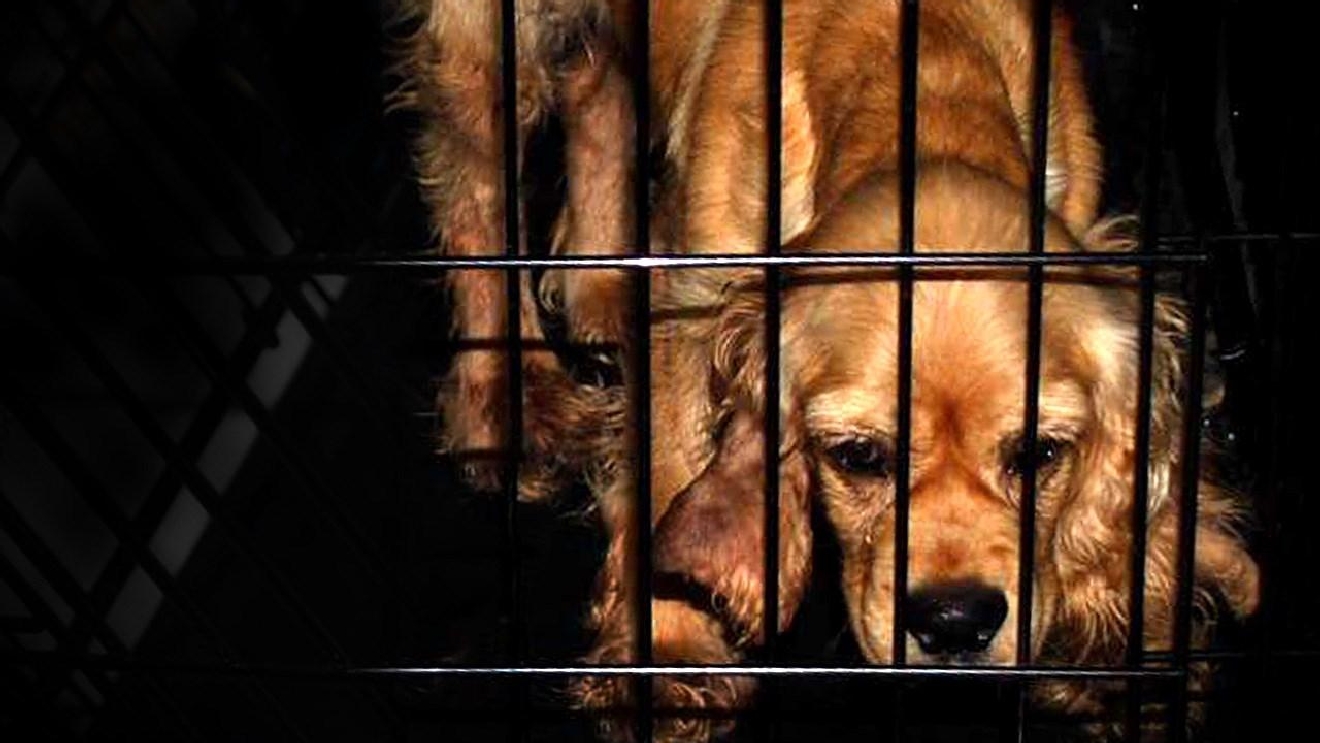
HARRISBURG, DAUPHIN CO. (WOLF) — As holiday shoppers consider giving a pet as a gift, Pennsylvania’s Attorney General Dave Sunday issued a consumer alert Wednesday, warning of a surge in deceptive pet-sale and financing schemes that prey on hopeful buyers. He cautioned that puppies offered online or in stores might not exist at all — or may come from so-called “puppy mills,” high-volume commercial breeding facilities where poor living conditions often lead to chronic health problems.
“Don’t allow your holiday to be spoiled by misleading promises about a potential pet for your family,” Sunday said, urging prospective buyers to thoroughly vet sellers before sending money.
Growing Threat: Fake Puppies, Phantom Litters, Hidden Costs
According to a 2025 update from the Better Business Bureau (BBB), pet-sale scams remain one of the most frequently reported fraud types, with thousands of victims each year and typical reported losses in the hundreds to thousands of dollars.
Fraudsters often employ polished websites, attractive photos and overly sweet breed descriptions to lure buyers. In many cases, these sites advertise puppies that don’t exist, or claim to ship them only after payment through nonrefundable methods like wire transfers — classic hallmarks of “advance-fee” scams.
Even when a puppy is delivered, it may come from a “puppy mill” — operations that put profit ahead of animal welfare, subjecting dogs to cramped, unsanitary conditions, poor socialization, and minimal veterinary care. Research suggests there are thousands of such mills operating in the United States, with only a fraction regulated by the federal government.
What To Watch For — And What to Do Instead
Officials say several warning signs should prompt buyers to walk away:
Demands for payment upfront — sometimes thousands of dollars — via wire transfers or apps before a puppy is seen.Sellers who won’t provide breeder credentials, vaccination records, or refuse to let you meet the animal’s mother.Listings that push high-interest financing for pet purchases.
Instead of buying from unverified sellers, consumers are advised to explore local rescue organizations or breed-specific rescues when seeking a particular type of dog. If purchasing directly from a breeder, always request to meet the mother animal and confirm that she appears healthy, alert, and well cared for.
Animal welfare advocates say that adoption — rather than impulsive holiday purchases — is often the safer and more ethical choice.
Legal Recourse for Victims
Anyone who believes they have fallen victim to a deceptive pet-sale or predatory financing scheme can file a complaint with the Office of the Attorney General. The BBB and other watchdogs also recommend reporting suspicious listings and sellers to consumer-protection agencies.
Deceptive pet-sale practices are a serious and growing problem — especially around the holidays, when the demand for “perfect” puppies skyrockets. If you’re considering adding a pet to your family, a little due diligence could save you from heartbreaking loss and unexpected expenses.