
This isn’t just a story about a public utility trying to fund improvements to its own operation, to improve however incrementally the systems and technologies that keep its business robust and expand money-making potential down the road. Although, that certainly seems like PPL Electric’s goal in announcing a proposal for yet another rate hike expected to bloat the average residential electric bill by about 7% if it ultimately is approved.
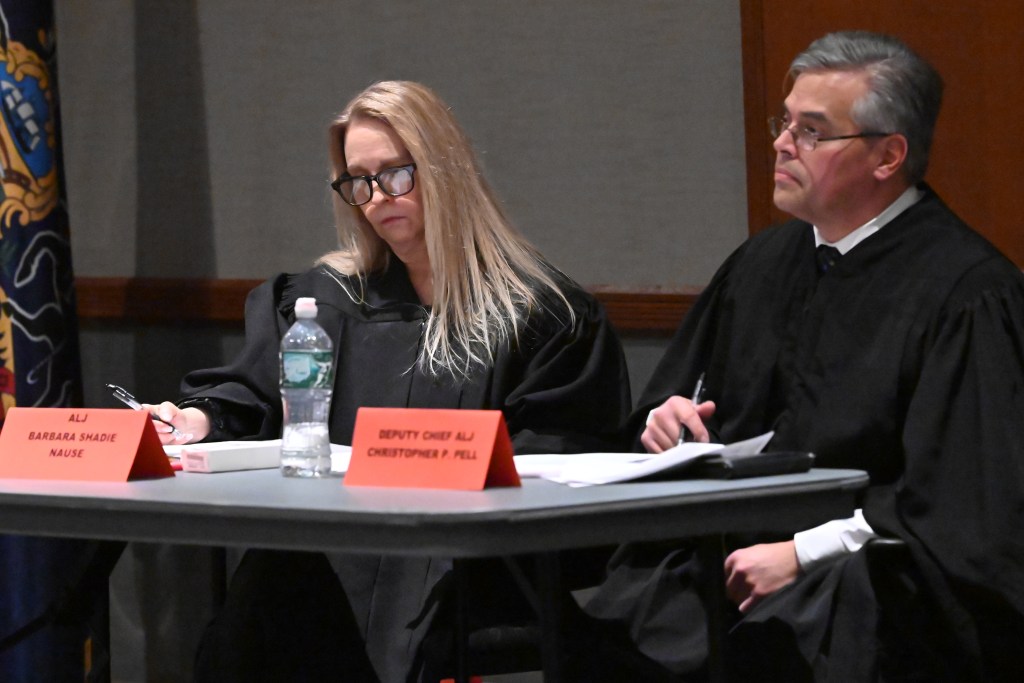
The more concerned area residents stepped up to speak Monday night during the first of the state Public Utility Commission’s four in-person hearings to discuss the potential rate increases, the more it became obvious. This is about the two much greater concerns plans like this are bringing to the fore these days. One is the financial challenges typical Americans now face to simply live the way their parents and grandparents did. The other is the role those who govern us could, and should, take to ease that burden.
If the story Jordan Moran told during the public input hearing at the University of Scranton doesn’t resonate with the PUC, we wonder what possibly could.
The 29-year-old from Jermyn, Lackawanna County, who balances a full-time job with full-time efforts as a student at Lackawanna College, put the plight of the American worker on full display. He told officials on hand that he makes about triple the state’s $7.25 minimum wage and insists he keeps his thermostat in his residence at a chilly 60 degrees to keep costs down.
Still, he said, his PPL bill already costs about 20% of his monthly income to pay in full.
“You’re constantly told to budget better and spend less on luxuries, while these billion dollar corporations see record profits year after year,” Moran said. “We’re all living on the edge already in the fading middle class. How much more blood do you want to squeeze from us?”
A more pertinent question: How much more can be squeezed?
The cost to own a home in Pennsylvania reached record levels this year, with median home prices reaching an all-time high of $325,000 in June, according to Pennsylvania Association of Realtors data. That is a 6.5% increase from June 2024. It is likely few working people around here have ever seen their salaries jump that much in a given year.
Grocery costs are rising. The U.S. Department of Agriculture’ Consumer Price Index showed that food prices were 3.2% higher in August than they were a year earlier, and it predicts another 3% rise in 2026.
None of this touches on the realities of increased transportation costs — average prices for new cars are $11,000 more in 2025 than they were pre-pandemic, and used car prices have increased 6% over the last year according to the Bureau of Labor and Statistics, all with average gas prices still firmly above $3 per gallon statewide — or that costs for medical insurance are prohibitive.
Like taxes imposed by the government, not all rate increases are inherently bad for consumers. Improving an overtaxed power grid, and providing more efficient response to outages during severe weather, are typically beneficial to all ratepayers. Those are goals worth the occasional modest rate increase to achieve.
However, many of PPL’s other stated reasons for asking for another rate increase should bring skepticism from the PUC judges, considering the timing of the request.
As state Rep. Jim Haddock, D-118, Pittston Twp., did at the hearing, local politicians from both parties should join residents in insisting the PUC provide assurances that any data centers that set up shop in the state pay their fair share of PPL’s increased costs and business ventures. Given the benefits they’d undoubtedly receive from work accomplished through this demand essentially for a $356.3 million revenue increase annually, it seems only fair.
It is the PUC’s job to ensure PPL and others like them are implementing fair rates and providing reliable service. It is the watchdog of the people in pursuit of those vital goals, and in an increasingly complicated economy, it needs to consider the financial constraints of the people when deciding whether a utility needs such a hefty influx of their cash.