
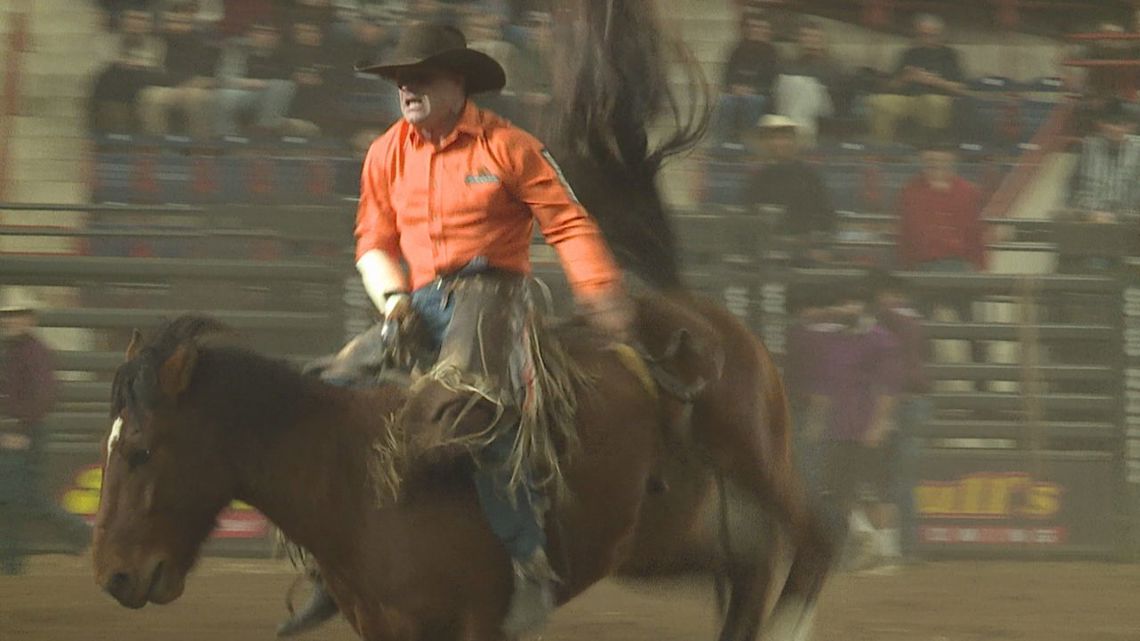
The virus has seen outbreaks at other recent gatherings of horses, including in Texas in November.
HANOVER, Pa. — Some of the most popular attractions at the Pennsylvania Farm Show involve horses, whether they’re ridden in a rodeo or paraded in a show ring. But this year, those events could look very different, as growing concerns over a new and spreading virus could affect horses at the 2026 Farm Show, beginning Jan. 10.
Danielle Gervasi, who owns Legato Farm in Hanover and has worked with horses for more than 40 years, says several area shows have already been canceled due to Equine Herpesvirus (EHV-1).
The virus has spread among horses in several states, including recent cases in Pennsylvania. Certain forms of EHV-1 can be deadly, and Gervasi says large shows and gatherings increase the risk of transmission.
“EHV is spread primarily through air droplets, kind of like the cold for humans,” Gervasi explained. “Nose-to-nose contact, and even people touching one horse and then touching another or sharing equipment [can spread it]. So, the closer the horses are in contact, the more likely the disease could spread.”
The rising concern comes just weeks before the Farm Show, which annually hosts popular rodeos, horse shows and equine demonstrations.
In November, the Texas Agriculture Commissioner alerted horse owners to an EHV outbreak following the World Barrel Racing Championship in Waco. Outbreaks have also been reported in Arizona and several Midwestern states.
In Pennsylvania, horses in Lancaster and Northumberland counties have tested positive for the virus this year.
Gervasi says she is taking precautions to keep her own horses healthy and ready to ride, including monitoring temperatures before events, avoiding direct contact with other horses, bringing her own equipment and water and isolating any horses that may have been exposed.
“We don’t allow our students to touch other horses and then touch ours,” she said. “When we come back to the farm, we keep any horses who may have been exposed away from the general herd.”
Even if horses are ultimately allowed to participate in the Farm Show, Gervasi says many owners may still hesitate to send them.
“I would be a little bit more uncomfortable at this point in time,” she said.
In a statement, the Pennsylvania Department of Agriculture says it has issued recommendations for organizers of shows to combat the virus, and that the organizers of the Farm Show events can impose their own requirements for their horses.
“The Pennsylvania Farm Show already carries strict biosecurity requirements, and veterinary inspection documents for all animals are checked as animals arrive for the Farm Show,” the statement reads in part. “Veterinarians make daily rounds and are on call in the complex during the event. Organizers of equine competitions during the show may impose additional requirements on those who have entered their events.”
The Department says it issued a quarantine order on Dec. 8 for all horses travelling into Pennsylvania.
“Out of an abundance of caution to protect Pennsylvania horses, on December 8, the department issued a temporary quarantine carrying additional documentation requirements for Interstate Certificates of Veterinary Inspection for the transport of horses into Pennsylvania,” the statement reads. “The temporary quarantine requires additional documentation to attest that a horse being brought into Pennsylvania has not been exposed to EHM or had a suspected or confirmed diagnosis of EHM.”
EHM is the deadly neurological form of the virus that EHV-1 can progress into becoming.
The Department also says that the recent cases of the virus in Pennsylvania horses are nearing their end.
“All Pennsylvania horses that may have been exposed, were diagnosed with, or suspected of having EHM have either completed quarantines and are healthy, or are nearing the end of quarantine and are being closely monitored,” the statement reads.