
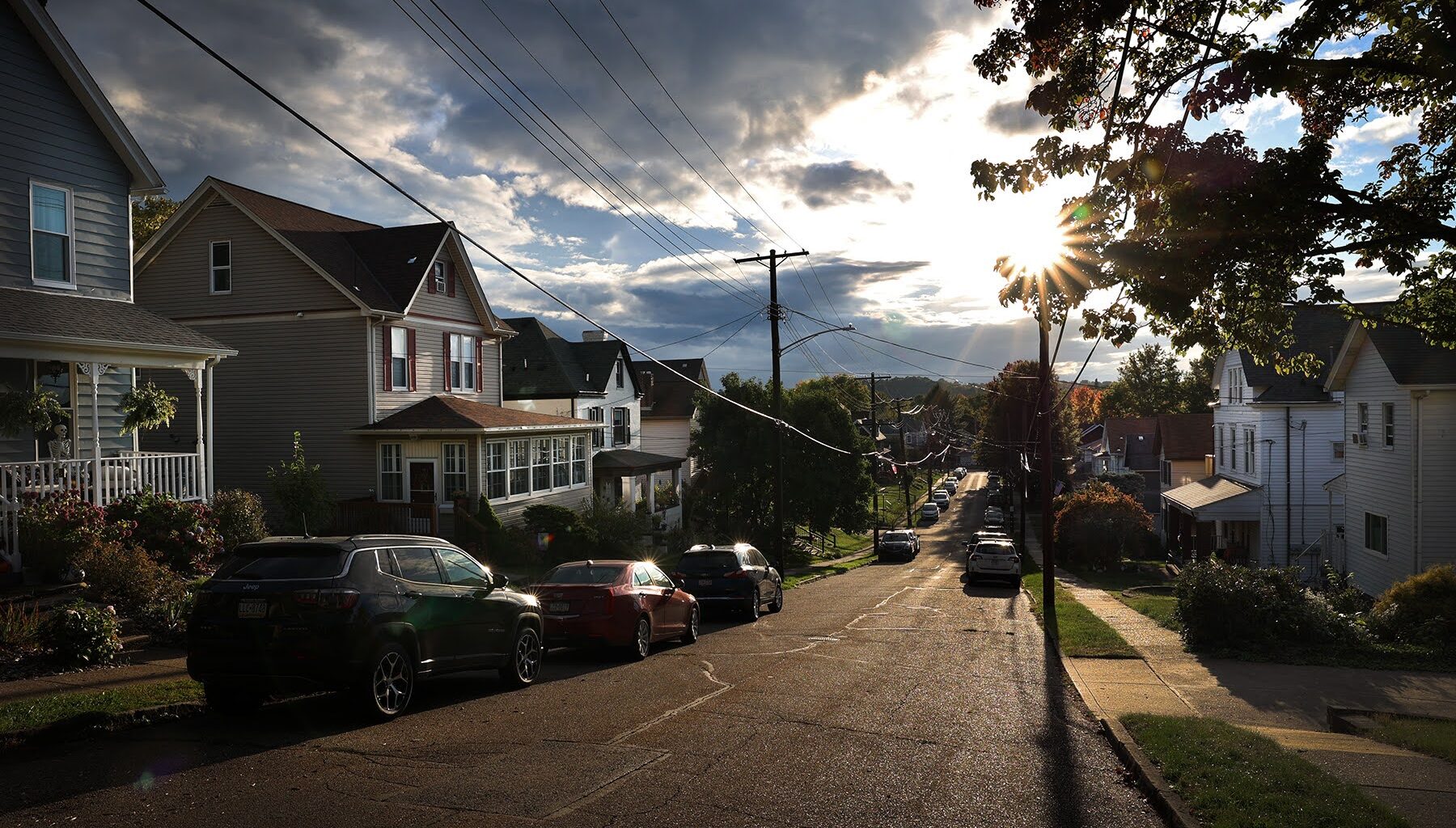
A contentious zoning debate that last summer ignited social media feuds and sent residents spilling into council chambers ended tonight with a quiet, unanimous vote to allow denser development.
“The code is 20 years old and this process has been going on for over three years,” said Council President John Oliverio before calling the motion. “There’s been a lot of opportunities for public engagement, which we thank the public for.”
For most of that process, the proposal caused little stir in the borough of 6,000 that sits against Pittsburgh’s northwest border. Sometime last summer, though, a wave of backlash — driven by fears of overcrowding, parking scarcity and plummeting property values — prompted borough leaders to slow the process and seek more community input.
The Planning Commission has since made substantive changes in line with that feedback, such as scrapping a provision to allow accessory dwelling units (ADUs) – sometimes called granny flats – and prohibiting short-term rentals in residential zones.
Solicitor Stephen Korbel said after the vote the process involved more public engagement than any other zoning change he has been involved with.
Borough Manager Jim Price said the additional time and oversight from the Planning Commission alleviated fears for many residents, as their concerns were addressed, or they gained a better understanding through engaging with the process.
“Overall, we have definitely lowered the temperature of concern, but there are still people out there who don’t like the process,” he said during an interview before the meeting. “And I don’t think there’s anything we could ever do about that,” Price said, adding that the remaining opponents are “not a large contingent.”
One of those holdouts, Cody Sheets, continued issuing spirited public comments in the leadup to the vote, and even made a run for mayor in part on a platform of transparency and increased community engagement. After winning the Republican primary as a write-in, Sheets lost the general to Democratic incumbent Coletta Perry.
He said despite the extended Planning Commission process, borough officials did not address key concerns such as a petition for an impact study that garnered 133 signatures.
“As it stands today, Borough Council will vote this ordinance through — regardless of constituent concerns, regardless of the petition, and regardless of whether residents feel heard,” Sheets said in an email statement before the vote.
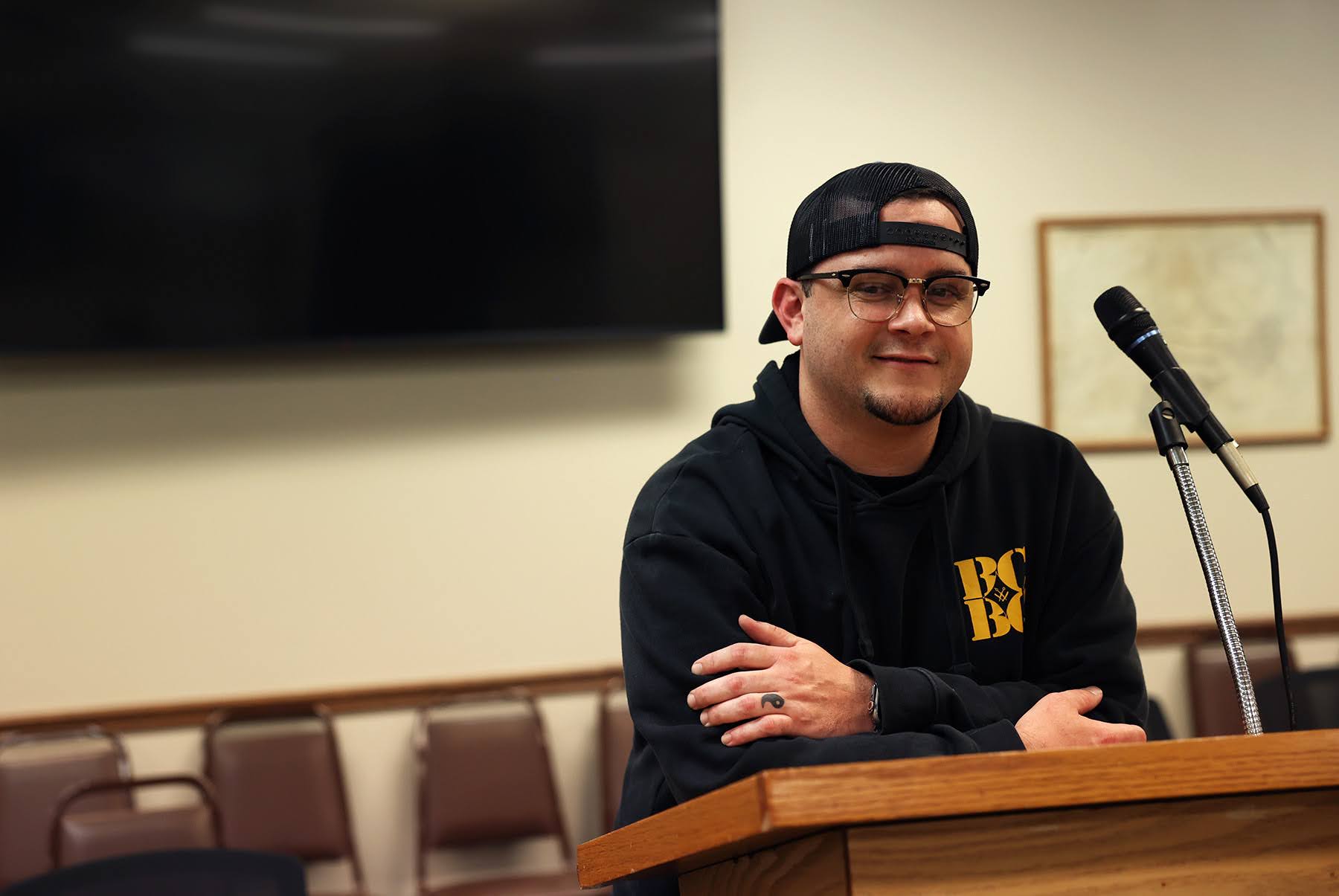 Cody Sheets poses for a portrait after a Crafton Planning Commission meeting on Oct. 15, 2024, at Council Chambers in Crafton. Sheets, a vocal opponent of Crafton’s planned zoning reforms, ran for mayor in last month’s election, losing to incumbent Coletta Perry. (Photo by Anastasia Busby/Pittsburgh’s Public Source)
Price said the borough opted against an impact study because they are not feasible for zoning changes.
Housing pressures have made zoning a hot topic across the region, state and nation, as local leaders try to balance the competing interests of development, conservation and housing security.
Crafton is rolling out the zoning changes alongside other initiatives intended to attract business, Price said, including a new website and marketing campaign and efforts to digitize their permitting processes. Other measures, such as business tax incentives have been floated, but not yet formally proposed, he added.
The primary goals of the zoning changes are to modernize outdated definitions and to encourage more businesses in the town’s commercial centers, Price said, to counteract decades of disinvestment and build up a stronger tax base so homeowners aren’t hit with higher property rates.
Key changes include:
Smaller lot size requirements in the main Residential zone
Fewer restrictions for townhouse construction in the Community Residential Zone
Multi-family units and apartments permitted in newly created Transit and Mixed Use zones.
Price stressed the zoning laws will not necessarily prompt an influx of development, because market forces need to come too.
“Nothing might change for 10 years,” he said, adding that the borough will keep “doing what we can as a government to make it clear that Crafton wants to encourage business to move here.”
Editor’s note: This story was updated to reflect the borough council’s vote and comments made at its Dec. 11 meeting.
Jamie Wiggan is deputy editor at Pittsburgh’s Public Source and can be reached at: jamie@publicsource.org.
This <a target=”_blank” href=”https://www.publicsource.org/crafton-zoning-update-eight-years-later/”>article</a> first appeared on <a target=”_blank” href=”https://www.publicsource.org”>Pittsburgh’s Public Source</a> and is republished here under a <a target=”_blank” href=”https://creativecommons.org/licenses/by-nd/4.0/”>Creative Commons Attribution-NoDerivatives 4.0 International License</a>.<img src=”https://i0.wp.com/www.publicsource.org/wp-content/uploads/2025/07/cropped-ps_circle_favicon_blue.png?resize=150%2C150&ssl=1″ style=”width:1em;height:1em;margin-left:10px;”>
<img id=”republication-tracker-tool-source” src=”https://www.publicsource.org/?republication-pixel=true&post=1326983&ga4=G-CCLXQK5C14″ style=”width:1px;height:1px;”><script> PARSELY = { autotrack: false, onload: function() { PARSELY.beacon.trackPageView({ url: “https://www.publicsource.org/crafton-zoning-update-eight-years-later/”, urlref: window.location.href }); } } </script> <script id=”parsely-cfg” src=”//cdn.parsely.com/keys/publicsource.org/p.js”></script>