
I could see that it wasn’t too cold the morning I sat down to write this column by the rhododendron leaves on a plant outside the office window. They were only slightly curled up, not like they had been on several recent mornings.
We are, however, expecting some much colder weather and possibly some accumulating snow. So if that happens, those leaves and the ones on nearby azalea plants will all be curled up as protection from low temperatures.
Because of the cold we have turned off the recirculating pump in the pond. But water is still available to whatever wildlife comes into the yard due to three heated bird baths. Two are traditional 3-foot-high ones, and the third is flat and on the ground.
The one that’s near the kitchen door has been almost empty on recent mornings. There are feral cats and other small animals that come around at night, but for so much water to be gone it’s probably deer coming in to drink. I won’t know for sure, though, unless we get snow and I can see tracks.
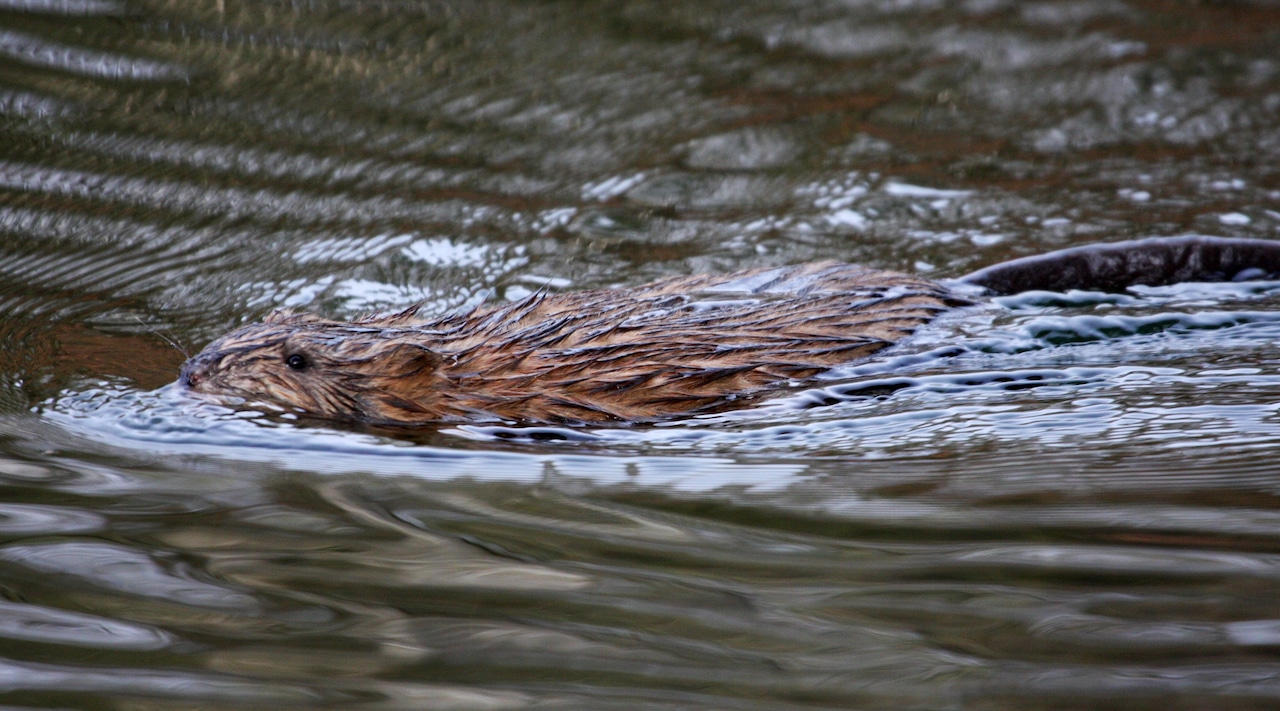
As I poured water into that bird bath this morning, it made me think about a TV show I recently watched that dealt with how important beavers are to Yellowstone National Park out West. As our biggest native rodent — the capybara is indigenous to Central and South America — beavers are extremely important to all parts of the country, although a few centuries ago they were almost wiped out by trappers.
The water areas around beaver lodges are environmentally important to all kinds of wildlife, both big and small. And the wet surrounding soil helps willow trees and other native shrubs to proliferate.
There are beavers all over our area in appropriate habitats due to the Delaware and Lehigh rivers. There’s a small stream on the edge of our property that feeds into the bigger Fry’s Run Creek that in turn goes into the Delaware, and many years ago there were even beavers there.
There are some places where it’s really easy to see beavers and one of them is the Browning Beaver Meadow Sanctuary in Wayne County, Pennsylvania. It’s north of Honesdale, so it’s not close by. But it’s billed as one of the best kept environmental secrets in the state, and it’s a great public place to get away from the everyday world.
A few weeks ago, David drove Route 611 South past where Fry’s Run goes into the Delaware River and he saw something interesting, although it wasn’t a beaver. It was instead a black squirrel. And since then a few people have told me that they too have seen black squirrels in that area.
Black squirrels are merely gray squirrels with a gene mutation, although they’re neat to see. The dark color is due to an excessive amount of the pigment melanin that controls the color of the fur, so they’re called highly melanistic.
On the other end of the scale, so to speak, there are also white squirrels in our area due to a low amount of melanin in the squirrel’s body. This condition is referred to as being leucistic.
Lots of people don’t like squirrels for all kinds of reasons. But we’d all miss them if they weren’t around.