
This story is part of the WHYY News Climate Desk, bringing you news and solutions for our changing region.
From the Poconos to the Jersey Shore to the mouth of the Delaware Bay, what do you want to know about climate change? What would you like us to cover? Get in touch.
As U.S. cities aim to meet federal regulations that require them to find and replace lead pipes over the next decade, the city of Philadelphia is making strides to determine whether service lines connected to hundreds of thousands of properties contain lead.
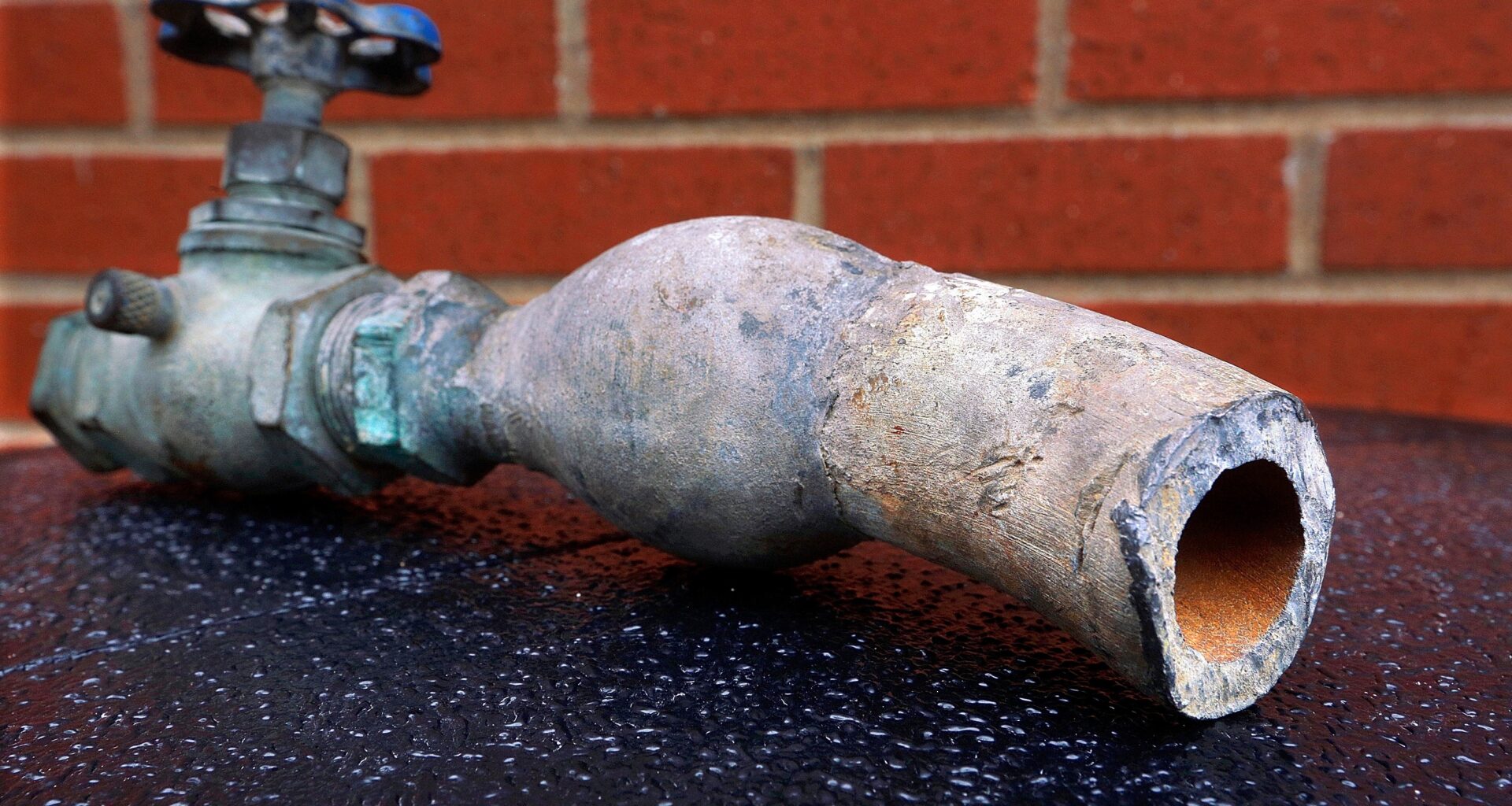
Lead pipes can corrode and contaminate drinking water, putting those exposed at risk for serious health problems, including cognitive impairment among children.
The Philadelphia Water Department sent letters this month notifying residents about the status of their pipes. However, the materials of a majority of lead service lines remain unknown.
“We’re going to continually do this on an annual basis, essentially, until we know what each pipe is made from, which is a truly daunting project [because] there’s somewhere around a half-million accounts that we’re dealing with across the city,” said spokesman Brian Rademaekers.
The Philadelphia Water Department last year released a public inventory of lead pipes throughout the city, as required of all U.S. municipalities by the U.S. Environmental Protection Agency.
The water department has since worked to fill in the missing gaps, hiring new staff to sift through hundreds of paper documents to digitize and track records of historic lead line replacements.
Identifying’s Philly’s problematic pipes
Since October 2024, the water department has determined the materials of almost 85,000 previously unknown lines.
The city has also helped residents identify their pipes at home. Tracking underground pipes is more challenging, however, because digging up pavement is disruptive and costly. To date, the materials of 351,514 service lines have yet to be determined.
More than 157,823 service lines in the city are lead-free, while another 16,805 service lines contain lead.
The water department uses anticorrosion treatment, which is effective at preventing lead from pipes from leaching into tap water. Three out of 104 homes in Philadelphia have elevated levels of lead in their drinking water, according to the water department.
“In the Philadelphia area, while there can still be some homes that will have some small level of lead introduced into the home water supply, that amount is minimal and is minimized by the treatment that Philadelphia Water does,” said Howard Neukrug, executive director of the Water Center at the University of Pennsylvania and the city’s former water commissioner.
Still, people with lead or undocumented pipes are encouraged to run their faucets before using their tap water. Lead can seep into stagnant water that sits in pipes for several hours.
The water department estimates about one in 20 Philadelphia properties — or 5% — may have a lead service line.