
I don’t know about anyone else, but I’m already tired of winter even though it’s just now officially starting on Sunday the 21st, the shortest day of the year. That’s the day of the winter solstice, when the Earth is tilted such that the Northern Hemisphere is farthest away from the sun.
Where we live in southern Northampton County we were only supposed to get a few inches of snow from the recent storm. But Mother Nature didn’t listen to the forecasters. We ended up with between 6 and 7 inches. However, the forecasters were certainly right about the low freezing temperatures.
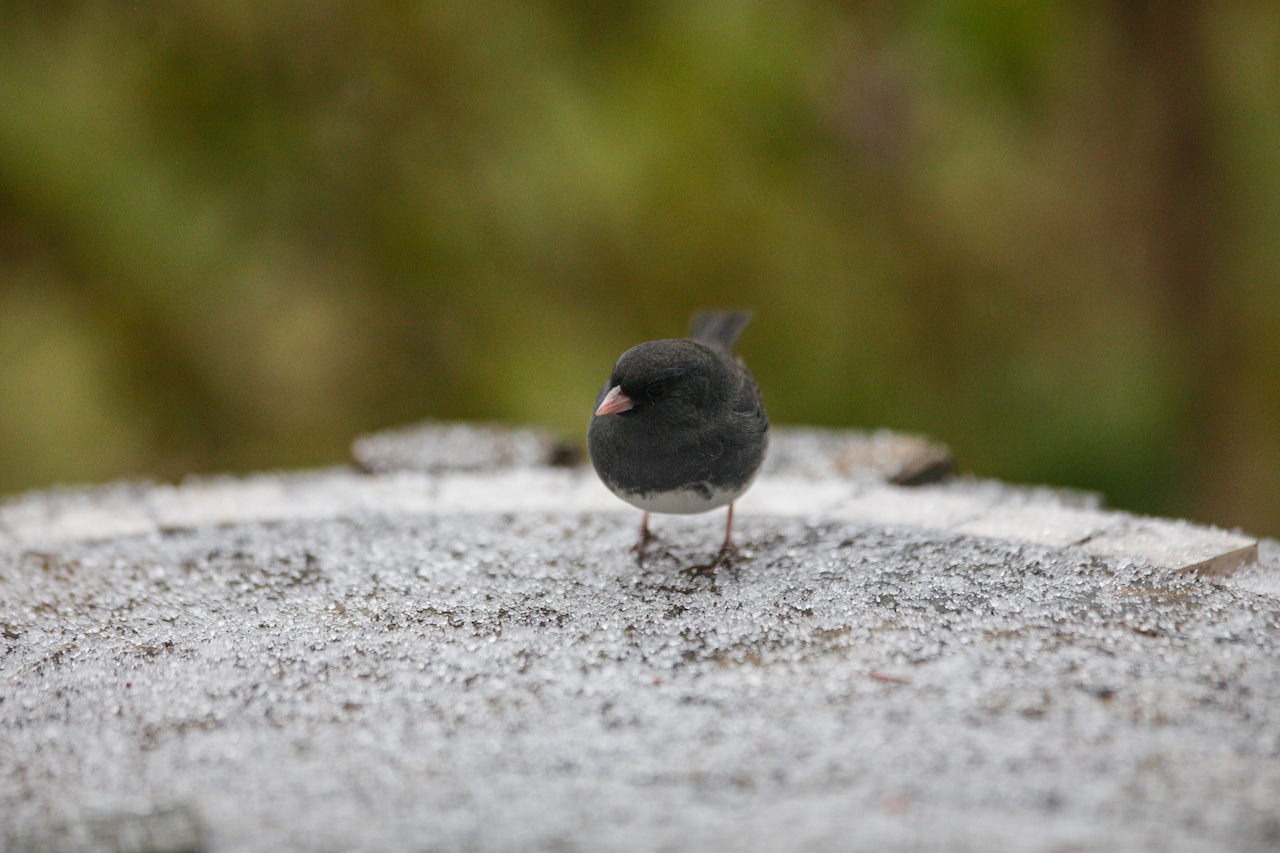
If you’re someone who likes looking at winter birds, though, the recent weather has brought them out in force. And while I haven’t had any really unusual species to date, in addition to the normal birds there have been more than 100 juncos, 50-75 grackles, red-winged blackbirds and cowbirds, and a Savannah sparrow in the yard.
Also, 50 or more crows were here eating the birdseed we put out the morning following the overnight snow. Normally, both American and fish crows just fly around the valley daily, eating leftover crops and whatever else they can find. But the snow temporarily covered everything up except for the millet, cracked corn, and sunflower seeds we put out.
At this time of the year, we can expect all kinds of different weather. And ironically, people who do the annual Christmas Bird Counts look forward to at least a little, but not a lot, of snow in the hopes that it’ll bring out something interesting.
The most local count area around here is the Bethlehem/Easton count that’s been organized for decades by Don and Elaine Mease. The date for this year’s count is Saturday, Dec. 27, so if you’re interested contact them at 610-346-7754 or measede@enter.net and they’ll give you an area to check out.
Or perhaps you just want to report the birds you see at your feeders or in your yard, and that’s OK. You only need to properly identify the species and give the number of them seen.
“Especially we need feeder watchers more than people that tramp in the field,” Elaine said, noting the count runs midnight to midnight.
There are count areas all over the world, and to see where one is you need to go to the National Audubon Society’s website. This is the society’s 126th year of keeping track of Christmas count data.
This count data is taken every year in the same time period, and it tells a lot about the environments of the count circle areas. You may not pay much attention to bird populations, but if they decrease dramatically, it means that something that affects all wildlife is going on.
In last week’s column, I said that one of our heated bird baths has been empty some mornings but the only way I’d know what animals were drinking during the night would be to wait for snow and look for tracks. Well, we got the snow, but I still don’t know what’s been drinking that water. The snow was so fluffy and blown around that all the tracks near the bird bath were disfigured.
In order to see tracks clearer, the snow must be wetter and more compacted. So I guess I’ll have to wait for the next storm.