
By Metro Philadelphia
Since 2022, homicides in Pennsylvania have fallen 35%, a decline that state officials say is directly tied to the expansion of hospital-based violence intervention programs.
The Shapiro Administration is now investing nearly $3 million to expand those programs across Pennsylvania, directing funds to initiatives that support victims of violent crime during hospitalization and after discharge.
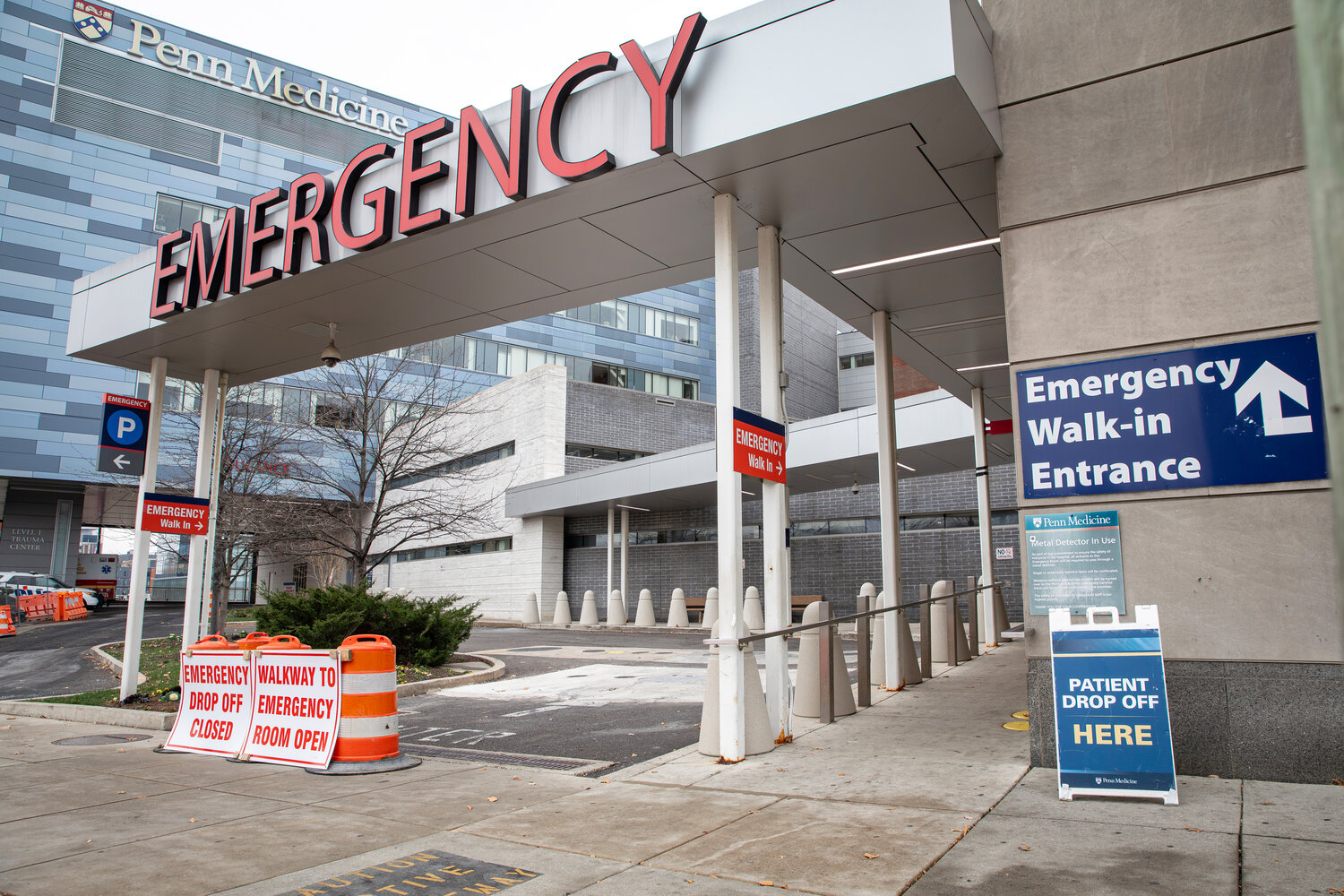
Lt. Gov. Austin Davis recently joined state and local officials at Penn Presbyterian Medical Center in Philadelphia to recognize the grantees, which were approved by the Pennsylvania Commission on Crime and Delinquency. Davis chairs the commission, which secured a competitive federal grant from the U.S. Department of Justice in 2024 to expand hospital-based violence intervention programs, commonly known as HVIPs, statewide.
“Every Pennsylvanian – whether you live in West Philly or Westmoreland County – deserves to be safe and feel safe in their community,” said Davis. “As the federal government backs away from supporting violence prevention work, we’re increasing our investments at the state level. Addressing the epidemic of gun violence is a top priority for our Administration, and we’re going to keep fighting to make Pennsylvania communities safer.”
The funding will support both the expansion of existing programs and the launch of new initiatives:
Penn Trauma will receive more than $736,000 to expand the Penn Trauma Violence Recovery Program at Penn Presbyterian Medical Center.
Temple University Hospital was awarded $875,000 to launch its Wellness and Recovery through Advocacy and Patient Support, or WRAPS, initiative, focused on patients with spinal cord injuries.
The University of Pittsburgh will receive nearly $945,000 to expand its Empowering Teens to Thrive program, which serves young people injured by violence.
And finally, the Urban Affairs Coalition, on behalf of the Chester Community Coalition, will receive $350,000 to relaunch an HVIP previously housed at the now-closed Crozer-Chester Medical Center through partnerships with local hospitals.
“When a patient comes to see us … it’s an opportunity to address the injury that brought them in, but also to do a little bit more—to help them heal, to help make their life a little bit better, to help prevent the next injury, and to help make our community a little bit stronger. That’s what programs like this do,” said Elinore Kaufman, MD, MSHP, Medical Director for the Penn Trauma Violence Recovery Program.
Temple University Health System officials said the funding will allow them to build on existing efforts. Temple’s Trauma Victim Advocacy Program supported about 1,200 violently injured patients in fiscal year 2025, according to Abhinav Rastogi, MBA, MIS, president and CEO of Temple University Hospital. The grant will fund new staff positions, including a trauma psychologist, a spinal cord injury advocate and a visiting nurse practitioner to provide in-home care.
Hospital-based violence intervention programs use trauma-informed care to support victims of violent injury while they are hospitalized and connect them with community-based services after discharge. Research has shown such programs can help reduce cycles of violence by lowering the risk of reinjury and retaliation.
State officials pointed to recent data as evidence that violence prevention investments are having an impact. Since 2022, Pennsylvania has seen a 35% reduction in homicides. In Philadelphia, homicides are down 15% this year compared with 2024, and 79% of people shot in the city this year survived their injuries, according to the administration.