
By Metro Philadelphia
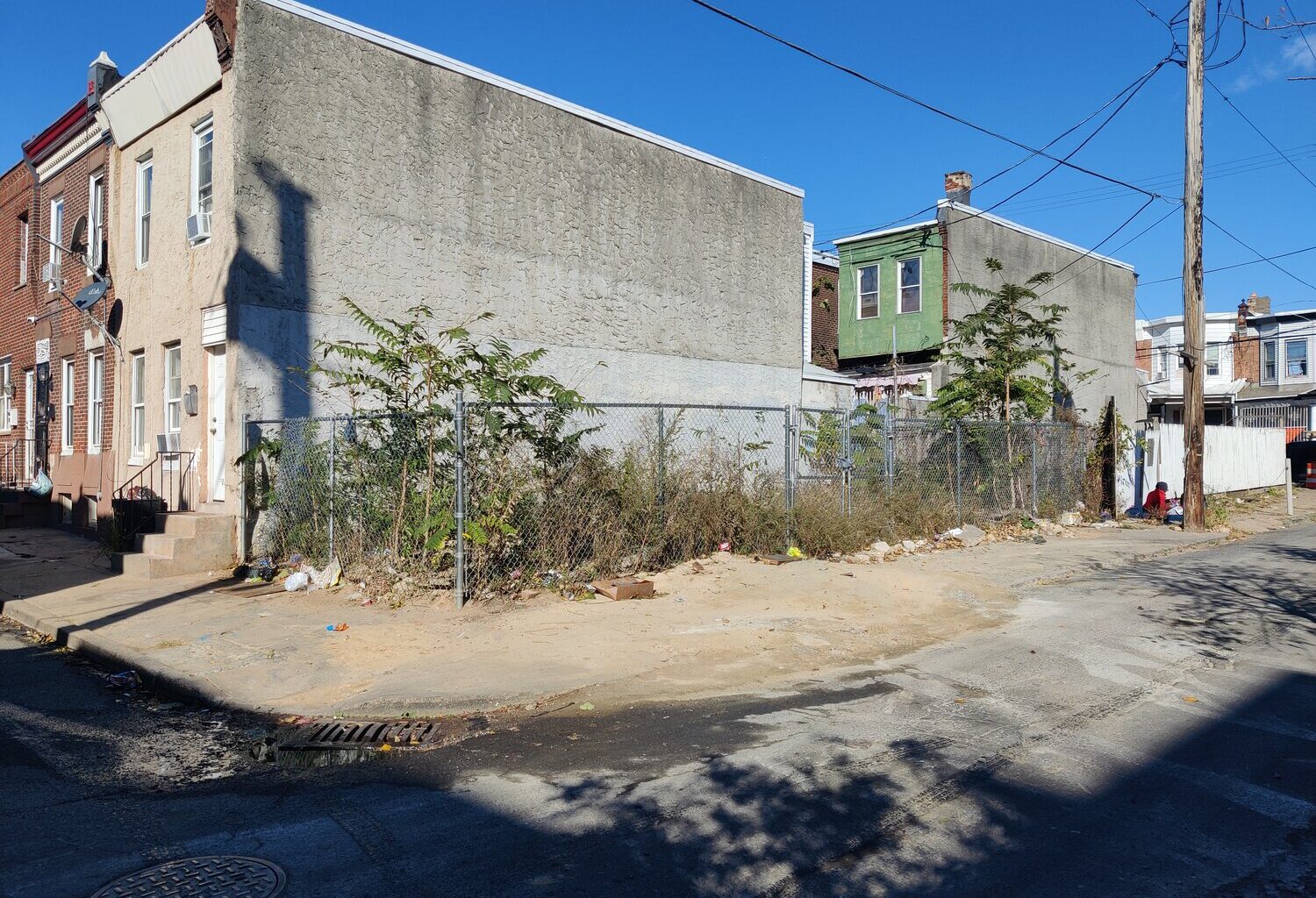
A trash-filled vacant lot in the heart of Kensington will soon be transformed into a community garden after Klean Kensington was awarded a $17,000 Revive and Thrive grant to clean up and maintain the long-blighted property.
The 16-by-60-foot lot at 859 E. Willard St. — at the intersection of Shelbourne and Willard streets — has been a notorious illegal dumping site for years, collecting contractor debris, trash and overgrown weeds. The property sits in a predominantly Black and Latino, low-income neighborhood that has been heavily impacted by blight and the city’s opioid crisis.
The Revive and Thrive grant is part of a three-year pilot program designed to bring neighbors together to transform vacant lots into usable, cared-for spaces while preventing illegal dumping. Residents will help envision the space, participate in cleanup and build days, and take part in community events centered on local stories and solutions.
The pilot program is a partnership between Thomas Jefferson University’s Park in a Truck program, Circular Philadelphia, Trash Academy and Glitter. Organizers say the effort is meant to demonstrate how low-cost activations of unused lots can help communities reclaim neglected spaces and reduce dumping.
Klean Kensington, a youth-powered neighborhood group, will lead the project. The organization pays local teenagers to clean and transform neglected lots into gardens that serve the surrounding community. It has completed similar projects at several other sites in the area.
Cleanup activities are expected to begin in early spring, with the garden slated to open in summer 2026. Glitter , a neighbor-funded block cleaning service, will provide weekly cleanings and document litter levels before, during and after construction to measure changes in dumping. Trash Academy will host dumping-prevention workshops, Park in a Truck will facilitate the design process, and Circular Philadelphia will document the project so it can be replicated elsewhere.
“I know many kids who live on Willard and neighboring blocks, and they walk past this dumping corner constantly,” said Jeremy Chen, Klean Kensington’s Executive Director who lives two blocks away from the lot. “We want to make this a drug-free space that they frequent for a peaceful place to read, enjoy the flowers and butterflies, and the colorful space.”
Plans for the site include a kid-centered garden featuring a pollinator garden, benches, bright public art, planter boxes and a durable trash setup intended to deter dumping. Local teens and neighborhood children will help design the space, survey nearby residents and serve as ambassadors to keep the area active and welcoming.
To ensure that the garden remains in good condition and is stewarded by the people who live there, the organizers will hire two local Community Managers and two or three local high school students as Park Ambassadors.
Esperanza Health Center, which owns the lot, supports the project.
“Esperanza is so excited for this project – to see the creativity of the youth of Kensington as they remove the blight of this property and renew it with life-bringing works of beauty,” said Susan Post, Esperanza Health Center’s CEO. “We joyfully anticipate seeing this practical transformation in our Kensington community, realizing it is just a glimpse of the many things the youth will do in the future.”
Lois Williams of Trash Academy said the project could serve as a model for other neighborhoods.
“Philly residents want to transform and use vacant land to prevent dumping, but getting access and permission can be a challenge,” said Williams. “This project can demonstrate how neighbors with low budgets, on privately owned lots, can make a difference. It’s a win-win for the city and neighbors to end illegal dumping.”
Vacant land remains a widespread issue in Philadelphia. About 1 in 20 properties in the city is vacant, according to Philadelphia Land Bank statistics, totaling roughly 40,000 vacant lots. Those properties are heavily concentrated in North and Southwest Philadelphia, areas that are historically communities of color and among the city’s most underserved.