
Pittsburgh City Council approved a 20% property tax increase for 2026 after working through the weekend to finalize the city’s budget. “It is not easy for any elected official, for any council member to vote to raise taxes on our residents,” said councilwoman Barb Warwick. “It would have been much easier for members of this council to do the politically expedient thing and just kick the can down the road and let the incoming administration deal with it. But, members today chose to be strong and to do the responsible thing and really to do our jobs as the financial stewards of the city.”The vote was six to two. Councilwoman Theresa Kail-Smith voted against it because she said residents are already struggling. “They just had a significant increase on the county level. They have an increase on Pittsburgh Public Schools level and now the city level,” Kail-Smith said. “And yes, we know utilities, groceries, all those costs are going up.”The approved tax increase means the average household would pay about $164 more in property taxes.The majority of councilmembers said the increase was necessary to make progress on the city’s $20 million deficit and maintain essential services.“I want us to be able to continue providing the excellent services that we do provide, and I want to see us be able to improve in places that we need to improve,” Warwick said. “And that includes buying more vehicles. That includes doing additional demos. That includes dealing with a litter problem.”In addition to the tax hike, council approved several budget cuts, including savings tied to overtime pay in the police department. They also added funding for certain initiatives, like the return of police horses.“Some of the things that they did agree to cut were things I think maybe we should have looked at a long time ago,” Kail-Smith said.Council members said last-minute changes to the budget were needed because Mayor Ed Gainey did not adequately address the deficit in his proposed budget.Following the vote, the mayor’s office released a statement saying in part that the proposal “was a balanced budget that maintained core city services, protected local jobs, and did not raise taxes.”Gainey now has the option to let the budget take effect or veto it. Council members said that if he does veto the budget, they believe they have enough votes to override that decision.
PITTSBURGH —
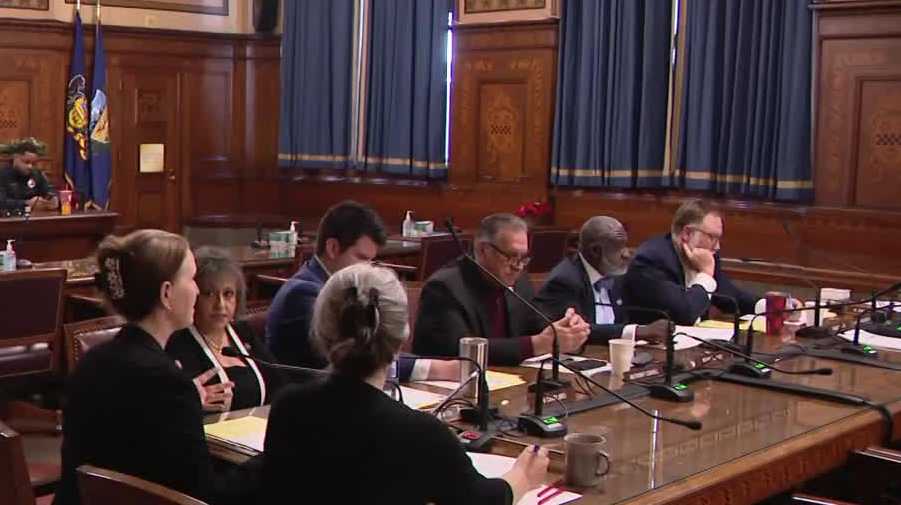
Pittsburgh City Council approved a 20% property tax increase for 2026 after working through the weekend to finalize the city’s budget.
“It is not easy for any elected official, for any council member to vote to raise taxes on our residents,” said councilwoman Barb Warwick. “It would have been much easier for members of this council to do the politically expedient thing and just kick the can down the road and let the incoming administration deal with it. But, members today chose to be strong and to do the responsible thing and really to do our jobs as the financial stewards of the city.”
The vote was six to two. Councilwoman Theresa Kail-Smith voted against it because she said residents are already struggling.
“They just had a significant increase on the county level. They have an increase on Pittsburgh Public Schools level and now the city level,” Kail-Smith said. “And yes, we know utilities, groceries, all those costs are going up.”
The approved tax increase means the average household would pay about $164 more in property taxes.
The majority of councilmembers said the increase was necessary to make progress on the city’s $20 million deficit and maintain essential services.
“I want us to be able to continue providing the excellent services that we do provide, and I want to see us be able to improve in places that we need to improve,” Warwick said. “And that includes buying more vehicles. That includes doing additional demos. That includes dealing with a litter problem.”
In addition to the tax hike, council approved several budget cuts, including savings tied to overtime pay in the police department. They also added funding for certain initiatives, like the return of police horses.
“Some of the things that they did agree to cut were things I think maybe we should have looked at a long time ago,” Kail-Smith said.
Council members said last-minute changes to the budget were needed because Mayor Ed Gainey did not adequately address the deficit in his proposed budget.
Following the vote, the mayor’s office released a statement saying in part that the proposal “was a balanced budget that maintained core city services, protected local jobs, and did not raise taxes.”
Gainey now has the option to let the budget take effect or veto it. Council members said that if he does veto the budget, they believe they have enough votes to override that decision.