
Home » America Travel News » Wisconsin Joins Indiana, Pennsylvania, New Jersey, Minnesota and Others US States to Embrace Winter Travel Chaos as Brutal Arctic Air and Snowstorms to Topple Tourism Economy
Published on
January 2, 2026
By: Tuhin Sarkar
Wisconsin has joined a growing list of states, including Indiana, Pennsylvania, New Jersey, Minnesota, and others, as brutal Arctic air and relentless snowstorms grip the region, wreaking havoc on winter travel. The ongoing winter chaos is causing major disruptions in transportation, from delays to cancellations, and threatens to topple the tourism economy across these states. As snowstorms continue to blanket large portions of the country, tourism hotspots in Wisconsin, Indiana, Pennsylvania, New Jersey, and Minnesota are struggling to cope with the effects of the harsh weather.
Wisconsin’s tourism economy is now facing the devastating consequences of severe winter weather, with road closures and airport delays crippling the flow of visitors. With the Arctic air taking hold, travel has become treacherous, and many travelers are reconsidering their trips to these states. This growing winter travel chaos, exacerbated by freezing temperatures and snowstorms, has extended its reach across multiple US states, pushing the tourism economy to the brink. As Wisconsin joins its neighbouring states in grappling with the effects of this brutal winter, the future of winter tourism hangs in the balance. Stay with us as we dive into the impact of these brutal weather conditions on winter travel and the tourism economy.
The brutal grip of winter is tightening its hold on the northeastern United States, with an unrelenting barrage of snow and icy conditions set to disrupt travel plans across the Upper Midwest and Interior Northeast through the first weekend of January 2026. As Arctic fronts sweep southward, over a dozen states will face ongoing snowstorms, ice accumulation, and frigid temperatures—triggering hazardous conditions for both motorists and commuters alike.
This winter storm parade, fueled by powerful clipper systems and lake-effect snow from the Great Lakes, shows no signs of letting up. From the Great Lakes to New England, the snow continues to build up, with heavy accumulations expected in the coming days. Travelers from Minnesota to Pennsylvania and beyond should brace for one disruption after another as these fierce storms target major highways, airports, and cities.
The Snowstorms That Just Keep Coming: A Relentless Cycle of Disruption
Across the Upper Midwest and Northeast, the relentless march of clipper storms continues to wreak havoc. These fast-moving systems, combined with the moisture from the Great Lakes, are causing a repeating cycle of snowstorms. Each new wave of snow, enhanced by lake-effect snow, threatens to bring inches of accumulation and slippery road conditions to cities, towns, and remote areas alike. It’s a storm cycle that seems determined to keep travelers on edge throughout the first days of 2026.
According to AccuWeather’s Director of Forecast Operations, Carl Erickson, the combination of these back-to-back storms and lake-effect snow will drop several inches of snow in key regions. The Great Lakes’ influence will lead to enhanced snow coverage across the shores, creating frequent snow showers. While skiers and snowmobilers may enjoy the winter wonderland, commuters face a nightmare of icy roads, delayed flights, and closed schools.
 Frigid Cold, Icy Roads, and Massive Snowfalls: What’s Ahead for Travelers
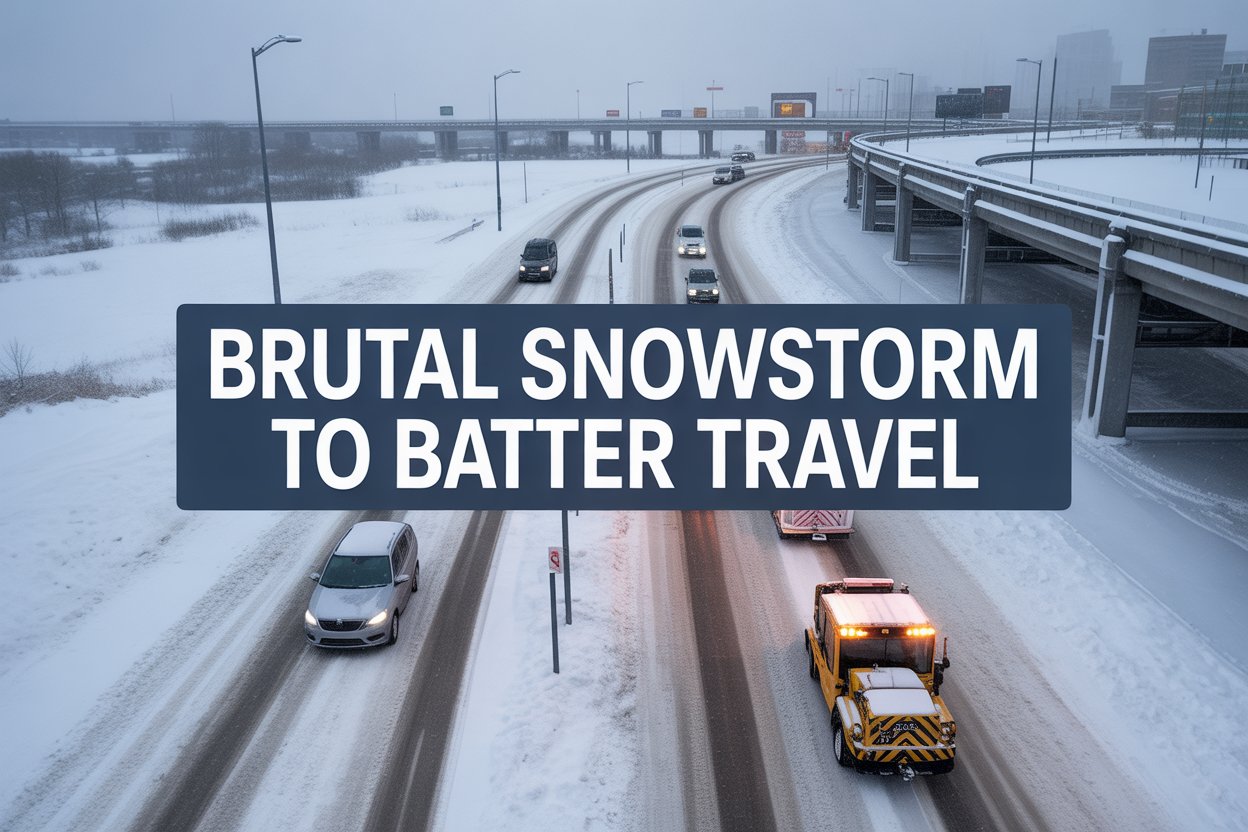
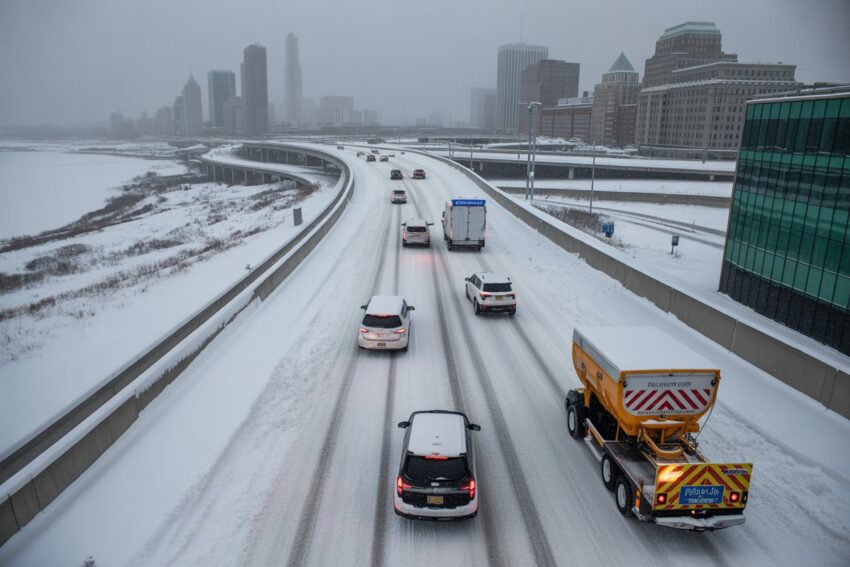
This ongoing weather event isn’t just an inconvenience—it’s a full-blown winter crisis for anyone trying to travel through affected areas. As temperatures plummet across the Upper Midwest and Interior Northeast, roads will remain treacherous and visibility will be poor. With up to 8 inches of snow expected in some parts of the Upper Midwest, combined with ice and freezing rain in others, travel advisories are in full force.
The snowstorm’s reach extends from northern Minnesota to Michigan, New York, and Pennsylvania. By the time the clipper storms move through, highways will be covered in ice and snow, leading to delays and accidents. Notably, the impact of the storms will spread as far as New Jersey, with freezing rain expected to cause additional problems. Highway departments and snow removal contractors are already overwhelmed by the continuous snow episodes, trying to stay ahead of the rapidly changing weather conditions.
A Snowy Surprise for the Start of 2026: Travel Chaos Ensues
The first workweek of 2026 is shaping up to be a challenging one for travelers, especially in areas from Michigan to New England. As the clipper storms cycle through, they will leave in their wake snow, ice, and slick roads. The incoming storm on the weekend promises to make matters worse with a heavier snowfall that will accumulate up to 3-8 inches in some regions. The result? Schools could face delays or closures as the slick, icy roads become too dangerous for children and staff to commute safely.
Northern areas like Minnesota, Wisconsin, and Michigan will likely face the brunt of the heavier snow, but the storm’s effects will stretch all the way into the Northeast, where several inches of snow are expected to pile up along the Great Lakes region. The storm’s path will sweep across New York, Pennsylvania, and New England, leaving behind roads covered in ice and snow.
Icy Roads, Dangerous Travel: How the Storm Will Impact Airports and Highways
Airports in major cities along the storm’s path, including Minneapolis, Detroit, and Buffalo, are bracing for delays and cancellations as the snow impacts air traffic. Ground crews are already scrambling to clear runways and keep flights running on time, but with multiple clipper storms and lake-effect snow lining up, it’s a race against time. Travelers are advised to stay up-to-date with the latest flight information and be prepared for delays.
But it’s not just the airports that are facing problems. Major highways in the Midwest and Northeast, including I-90, I-75, and I-80, are at risk of becoming impassable as the snow continues to fall and the roads freeze over. Salt trucks and snowplows are working around the clock, but with fresh snow expected every 24 hours, the battle to keep the roads clear may feel endless.
Snow and Ice to Keep Coming: The Long-Term Forecast
Looking ahead, the winter storms are far from over. Meteorologists predict that by Sunday afternoon, another clipper will bring even heavier snow to parts of the Upper Midwest, including northern Minnesota, Michigan, and parts of northern Wisconsin. By Monday, the snow will push into the Northeast, making for an extremely challenging commute for millions returning to work and school.
The expected snow accumulation, coupled with the ice and freezing rain, will create hazardous driving conditions that can lead to accidents and delays. For those in northern Pennsylvania, New York, and New England, conditions will remain slippery, making it even harder to navigate already treacherous roadways. As temperatures continue to dip, residents and travelers alike are advised to remain cautious on the roads and to expect additional disruptions through the weekend.
 Travel Tips for Dealing with the Snowstorm Havoc
As the storm continues to disrupt travel plans across the Upper Midwest and Interior Northeast, travelers should be prepared for the worst. Here are some tips to help you stay safe and minimize the impact of these winter storms:
Check the Weather Forecast: Stay updated on the latest weather reports and travel advisories before heading out.Prepare for Delays: If you are flying, ensure you have flexible travel plans in case of cancellations.Pack Emergency Supplies: For road trips, carry blankets, water, and non-perishable snacks in case you get stuck in the snow.Keep Your Car Winter-Ready: Make sure your vehicle is equipped with snow tires, windshield washer fluid, and an emergency kit.Plan Extra Time for Travel: Allow additional time to reach your destination in case roads are slippery or travel conditions worsen.A Positive Outlook: The End of the Winter Storms Is Near
Fortunately, the cold blast that’s bringing these storms is expected to retreat into Canada by next week. As temperatures rise, the snow will melt, and the icy roads will begin to thaw. However, even as warmer air moves in, areas with existing snow cover could experience refreezing overnight, creating slippery conditions for pedestrians and drivers. Regular treatment of sidewalks, roads, and parking lots will be essential to avoid accidents.
As the snowstorms subside and the weather warms up, travelers can look forward to calmer conditions and clearer skies. Until then, patience will be key for those navigating the wintry mess left behind by these persistent storms.
